Having a baby in space may be far more complicated than expected, as new research shows sperm struggle to find their way in microgravity.
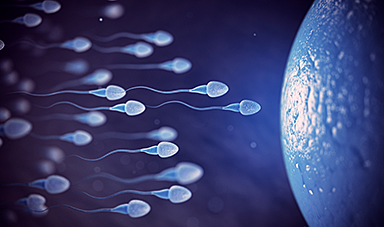
Starting a family beyond Earth could be more complicated than expected. New research from Adelaide University shows that sperm have a harder time finding their way in low gravity, suggesting that gravity plays an important role in successful reproduction.
Scientists from the Robinson Research Institute, the School of Biomedicine, and the Freemasons Centre for Male Health and Wellbeing explored how space-like conditions affect sperm navigation, fertilization, and early embryo development.
To test this, sperm from three mammal species, including humans, were placed in a 3D clinostat machine created by Dr. Giles Kirby at Firefly Biotech. This device simulates zero gravity by continuously rotating cells, leaving them disoriented. The sperm were then guided through a maze designed to replicate the female reproductive tract.
"This is the first time we have been able to show that gravity is an important factor in sperm's ability to navigate through a channel like the reproductive tract," said senior author Dr. Nicole McPherson from Adelaide University's Robinson Research Institute.
"We observed a significant reduction in the number of sperm that were able to successfully find their way through the chamber maze in microgravity conditions compared to normal gravity.
"This was experienced right across all models, despite no changes to the way sperm physically move. This indicates that their loss of direction was not due to a change in motility but other elements."
Hormone May Help Guide Sperm in Space
Researchers found that adding the hormone progesterone, which plays a key role in establishing pregnancy, improved navigation in human sperm under simulated microgravity conditions.
"We believe this is because progesterone is also released from the egg and can help guide sperm to the site of fertilization, but this warrants further exploration as a potential solution," said Dr. McPherson.
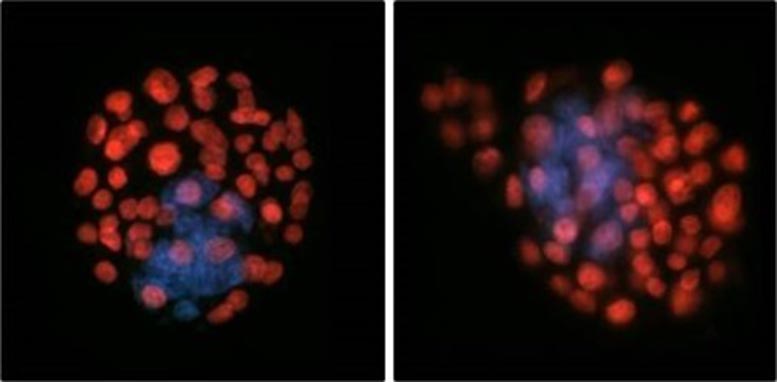
Fertilization Rates Drop in Microgravity
The team also examined how microgravity exposure during fertilization affects embryo development in animal models.
They found that after four hours in simulated zero gravity, the number of successfully fertilized mouse eggs dropped by 30 per cent compared to normal Earth conditions.
"We observed reduced fertilization rates during four-to-six hours of exposure to microgravity. Prolonged exposure appeared to be even more detrimental, resulting in development delays and, in some cases, reduced cells that go on to form the fetus in the earliest stages of embryo formation," said Dr. McPherson.
"These insights show how complex reproductive success in space is and the critical need for more research across all early stages of development."
Why Gravity Matters for Reproduction
Earlier studies have examined how sperm move in space, but none have tested their ability to navigate through a reproductive channel under controlled conditions like this.
The findings were published today (March 26) in Communications Biology.
This research was carried out in collaboration with Adelaide University's Andy Thomas Centre for Space Resources, which focuses on the challenges of long-term space exploration and living beyond Earth.
"As we progress toward becoming a spacefaring or multi-planetary species, understanding how microgravity affects the earliest stages of reproduction is critical," said Associate Professor John Culton, Director of the Andy Thomas Centre for Space Resources.
What Comes Next for Space Reproduction
Researchers are now moving into the next phase, studying how different gravity levels, such as those on the Moon, Mars, and in artificial gravity systems, influence sperm navigation and early embryo development.
A major question is whether these changes happen gradually as gravity decreases or if there is a threshold where effects suddenly appear, creating an "all or nothing" response.
Understanding this will be key for planning reproduction in future Moon and Mars settlements and for designing artificial gravity systems that support healthy development.
"In our most recent study, many healthy embryos were still able to form even when fertilized under these conditions. This gives us hope that reproducing in space may one day be possible," said Dr. McPherson.
Reference: "Simulated microgravity alters sperm navigation, fertilization and embryo development in mammals" by Hannah E. Lyons, Victoria Nikitaras, Bridget M. Arman, Stephen M. McIlfatrick, Mark B. Nottle, Macarena B. Gonzalez and Nicole O. McPherson, 26 March 2026, Communications Biology.
DOI: 10.1038/s42003-026-09734-4

News – Curated by Amanda Scott, Alias Group Creative
Follow her on Bluesky
Sperm Get Lost in Space and Scientists Finally Know Why
Having a baby in space may be far more complicated than expected, as new research shows sperm struggle to find their way in microgravity. Starting a family beyond Earth could be more complicated than [...]
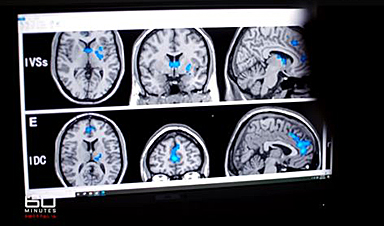
Digital Dementia – Brain fog and disassociation from being chronically online
New medical evidence, featured on 60 Minutes Australia, indicates excessive screen time is causing "digital dementia" in young Australians, with brain scans showing physical shrinkage and damage. Experts warn that high device usage (6-8 hours [...]
A new, highly mutated COVID variant called ‘Cicada’ is spreading in the US.
BA.3.2, a heavily mutated new COVID-19 variant which may be better able to escape immunity from vaccines or prior infection, is now spreading in the United States. Although COVID cases are currently low nationally, [...]
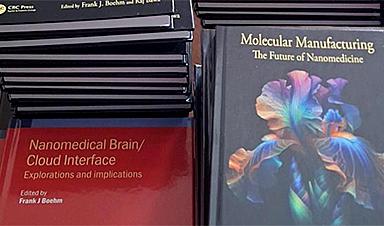
Molecular Manufacturing: The Future of Nanomedicine – New book from NanoappsMedical Inc.
This book explores the revolutionary potential of atomically precise manufacturing technologies to transform global healthcare, as well as practically every other sector across society. This forward-thinking volume examines how envisaged Factory@Home systems might enable the cost-effective [...]

Ancient bacteria strain discovered in ice cave is resistant to some modern antibiotics
In the depths of Scarisoara cave in Romania sits one of the world’s biggest underground glaciers, a monumental slab of ice the size of roughly 40 Olympic swimming pools that began to form around [...]

Scientists Identify “Good” Bacteria That May Prevent Long COVID
According to the WHO, about 6% of people worldwide who get COVID-19, roughly 400 million people, later develop a long-lasting form of the illness. That shows the condition remains a significant public health challenge. In [...]
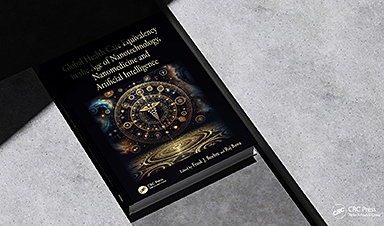
New book from Nanoappsmedical Inc. – Global Health Care Equivalency
A new book by Frank Boehm, NanoappsMedical Inc. Founder. This groundbreaking volume explores the vision of a Global Health Care Equivalency (GHCE) system powered by artificial intelligence and quantum computing technologies, operating on secure [...]
RNA Recycling Extends Lifespan
Summary: Researchers discovered a biological “trash disposal” mechanism that directly controls how fast we age. While circular RNA has long been known to accumulate in cells as we get older, this study proves for the [...]
Cancer’s Deadly Paradox: How Tumors Break Their Own DNA To Keep Growing
Cancer’s strongest gene switches push DNA into damaging overdrive, creating repeated breaks and repairs that may fuel tumor evolution while exposing possible therapeutic weak spots. A new study indicates that cancer can harm its own genetic [...]
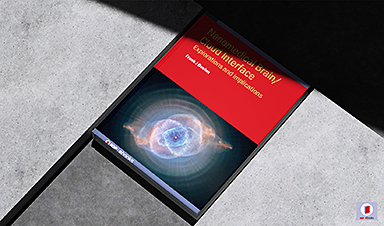
NanoMedical Brain/Cloud Interface – Explorations and Implications. A new book from Frank Boehm
New book from Frank Boehm, NanoappsMedical Inc Founder: This book explores the future hypothetical possibility that the cerebral cortex of the human brain might be seamlessly, safely, and securely connected with the Cloud via [...]
Our books now available worldwide!
Online Sellers other than Amazon, Routledge, and IOPP Indigo Global Health Care Equivalency in the Age of Nanotechnology, Nanomedicine and Artifcial Intelligence Global Health Care Equivalency In The Age Of Nanotechnology, Nanomedicine And Artificial [...]
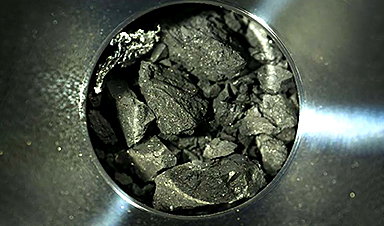
Ryugu asteroid samples contain all DNA and RNA building blocks, bolstering origin-of-life theories
All the essential ingredients to make the DNA and RNA underpinning life on Earth have been discovered in samples collected from the asteroid Ryugu, scientists said Monday. The discovery comes after these building blocks [...]

Is Berberine Really a “Natural Ozempic”?
Often labeled a “natural Ozempic,” berberine is widely discussed as a metabolic aid. Yet research suggests its influence may lie deeper. In recent years, berberine has gained significant attention as a supposed “natural way” [...]
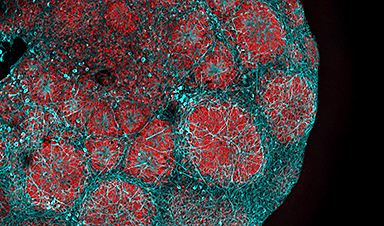
Viagra Ingredient Shows Promise for Rare Childhood Brain Disease in Surprising Study
A rare childhood disease with no approved treatment may have an unexpected new therapeutic candidate. Sildenafil, the active ingredient also sold under the brand name Viagra, may help reduce symptoms in people with Leigh [...]

In a first for China, Neuracle’s implantable brain-computer interface wins approval
In a landmark development, Neuracle Medical Technology has secured the country’s first-ever approval for an implantable brain-computer interface (BCI) system designed to restore hand motor function in patients with spinal cord injuries, in a [...]
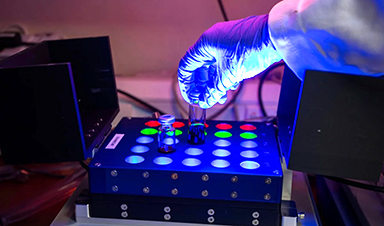
A Cambridge Lab Mistake Reveals a Powerful New Way to Modify Drug Molecules
A surprising lab discovery reveals a light-powered way to tweak complex drugs faster, cleaner, and later in development. Researchers at the University of Cambridge have created a new technique for altering complex drug molecules [...]