Introduction
The next evolution of healthcare will not be confined to hospitals, clinics, or episodic interventions—it will be embedded into the infrastructure of everyday life. Regenerative health ecosystems require a systemic re-architecture of how health is generated, sustained, and optimized. At the center of this transformation are health-centric buildings and urban ecosystems designed to function as continuous, adaptive, and intelligent health platforms. These environments integrate environmental stewardship, precision health, and advanced engineering systems to support a planet-positive economy and society.
Global Landscape
Health-centric buildings represent a shift from static infrastructure to dynamic, responsive systems. Unlike legacy healthcare facilities, which primarily deliver reactive care, these buildings are engineered to continuously optimize human physiology, cognition, and well-being. Renewable energy is foundational. Solar photovoltaic systems, geothermal loops, advanced battery storage, and smart grid integration enable buildings to operate at net-zero or net-positive energy levels. This transition is not only environmentally responsible—it directly impacts health by reducing air pollution, mitigating climate-related disease burdens, and enhancing resilience during energy disruptions.
Internally, these buildings function as precision health environments. Advances in sensing, edge computing, and AI-driven control systems enable real-time modulation of environmental variables. Lighting systems dynamically adjust intensity and wavelength to align with circadian biology, improving sleep architecture, endocrine balance, and neurocognitive performance. Acoustic systems reduce harmful noise exposure while introducing therapeutic soundscapes. Air quality systems integrate advanced filtration, carbon capture, and biophilic elements to optimize respiratory health and microbial balance. Thermal conditions are individualized to account for variability in metabolic responses and clinical conditions. In this paradigm, the built environment becomes an active therapeutic agent rather than a passive container.
Design
A defining characteristic of Regenerative Health Ecosystems is decentralization. Health is no longer delivered primarily within centralized hospitals but distributed across homes, workplaces, schools, and public spaces. Micro-health nodes embedded within urban environments provide preventive diagnostics, remote monitoring, and AI-assisted triage. Continuous data streams from wearables, bioimplants, and ambient sensors enable early disease detection and personalized interventions. Hospitals evolve into specialized centers for acute and complex care, while the majority of health maintenance occurs seamlessly in everyday settings.
Urban ecosystems extend these principles at scale. Cities designed with health as a primary performance indicator integrate green corridors, clean mobility systems, and digitally orchestrated infrastructure. Environmental variables—air quality, noise, temperature, and exposure to toxins—are continuously monitored and optimized. Biophilic design becomes a clinical strategy, with access to nature, water, and biodiversity embedded into urban planning. These elements are strongly associated with reduced inflammation, improved mental health, and enhanced immune function. At scale, such interventions translate into measurable improvements in population health outcomes and economic productivity.
Environmental health is therefore not peripheral but central to regenerative systems. A planet-positive economy depends on aligning human health with ecological restoration. Buildings and cities must reduce emissions, regenerate natural resources, and actively contribute to environmental resilience. This alignment creates a reinforcing cycle: healthier environments yield healthier populations, which in turn reduce healthcare costs and enable reinvestment into sustainable infrastructure.
Engineering Stack
The realization of health-centric buildings and urban ecosystems depends on a sophisticated, interoperable engineering stack that integrates cyber-physical, digital, and biological systems.
Physical AI forms the operational core of these environments. Embedded sensors, robotics, and intelligent control systems enable real-time perception and actuation within physical spaces. Physical AI enables buildings to autonomously adjust lighting, airflow, temperature, and spatial configurations in response to human physiological signals and environmental conditions. This creates adaptive environments that continuously optimize health outcomes.
Blockchain infrastructure provides the trust layer for these ecosystems. As health data is generated across decentralized nodes—homes, wearables, public infrastructure—secure, immutable, and auditable data exchange becomes critical. Blockchain enables decentralized identity, verifiable credentials, and secure data provenance, ensuring that sensitive health and environmental data can be shared across stakeholders while preserving privacy and integrity.
Autonomous systems extend operational efficiency and responsiveness. From robotic maintenance of building systems to autonomous mobility solutions within smart cities, these systems reduce human burden while enhancing precision and safety. In healthcare contexts, autonomous systems can support logistics, environmental sanitation, and even aspects of patient monitoring and intervention.
6G connectivity represents the high-speed, low-latency communication backbone required for real-time orchestration of these ecosystems. With capabilities far beyond those of current networks, 6G enables continuous data exchange among devices, buildings, and urban systems, supporting advanced applications such as holographic interfaces, digital twins, and ultra-reliable remote interventions.
Satellite internet complements terrestrial networks, ensuring ubiquitous connectivity across geographic regions, including underserved and remote areas. This is critical for equitable access to regenerative health ecosystems, enabling decentralized care models to scale globally. Satellite-enabled resilience also ensures continuity of operations during disasters or infrastructure disruptions.
Together, this engineering stack enables a transition from fragmented, reactive healthcare systems to integrated, proactive, and resilient ecosystems. Importantly, these technologies must be governed by robust standards and frameworks—such as those from NIST, ISO, IEEE, and WHO—to ensure interoperability, cybersecurity, and ethical deployment.
Conclusion
Regenerative Health Ecosystems represent a convergence of environmental design, advanced engineering, and precision medicine. Health-centric buildings and urban infrastructures are emerging as critical assets in this transformation, embedding health into the environments where people live, work, and interact. By integrating renewable energy, adaptive environments, decentralized care, and a robust engineering stack, we can architect systems that are not only sustainable but regenerative—systems that restore human health while revitalizing the planet.

Prof Dr Ingrid Vasiliu-Feltes
Quantum-AI Governance Expert I Deep Tech Diplomate I Investor & Tech Sovereignty Architect I Innovation Ecosystem Founder I Strategist

News – Curated by Amanda Scott, Alias Group Creative
Follow her on Bluesky

Your Voice May Reveal How Fast Your Brain Is Aging
Researchers have developed a machine-learning “speech clock” that estimates age from subtle patterns in how people speak and what they say. It is possible that people’s voices may contain certain signals of aging that [...]

Optogenetics Pioneers Win 2026 Nobel Prize in Physiology or Medicine
The 2026 Nobel Prize in Physiology or Medicine has been awarded to Peter Hegemann, Georg Nagel, and Karl Deisseroth for the development of optogenetics, a revolutionary technology that uses light to control individual neurons [...]

Molecular Manufacturing: The Future of Nanomedicine – From NanoappsMedical Inc.
This book explores the revolutionary potential of atomically precise manufacturing technologies to transform global healthcare, as well as practically every other sector across society. This forward-thinking volume examines how envisaged Factory@Home systems might enable the cost-effective [...]

What is ‘American Covid’ and how bad is it?
Cases of so-called ‘American Covid’ are on the rise in the UK. The strain is officially called XFG, or ‘Stratus’, and is the most common variant in North America, hence the name. It might soon [...]
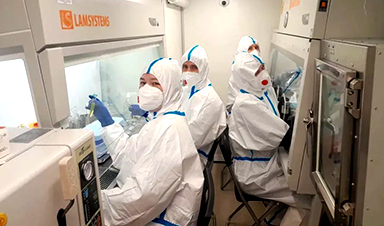
Researcher at Russian plague laboratory dies of ‘unknown’ infection
Russian authorities have imposed "anti-epidemic measures" after a laboratory worker at an institute in Siberia dedicated to studying the plague and other infectious diseases died of a mysterious illness. The researcher, a 28-year-old female [...]

GHCE Concept
From the preface of the book Global Health Care Equivalency in the Age of Nanotechnology, Nanomedicine and Artificial Intelligence, Edited by Frank Boehm: Since the publication of my first book (Nanomedical Device and Systems [...]

A Surprising Brain Signal Could Explain Why Eating Less Protein Extends Lifespan
A new paper suggests that limiting protein intake triggers a coordinated response throughout the body that may help explain how protein restriction affects healthy aging. Animals respond to protein restriction, or reduced protein in [...]

Back and shoulder surgery is often worse than useless
Millions of operations should be scrapped SIX IN TEN Britons have surgery at some point. So do lots of Americans, at a cost of perhaps $500bn a year, a third of all spending on [...]

Cocaine plays with mind, hijacks brain circuit, drives increasingly rigid and repetitive behavior
Researchers have found that cocaine hijacks brain circuit, which to drive increasingly rigid and repetitive behavior. The brain circuit that normally participates in selecting natural mouth and face movements, but which becomes disproportionately engaged [...]
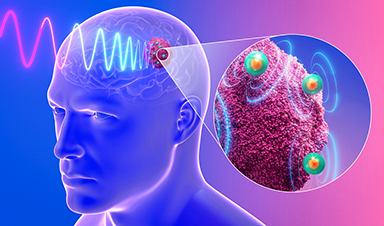
Injectable nanodevices could provide effective treatment for drug-resistant glioblastoma
The brain cancer glioblastoma is one of the most aggressive and treatment-resistant cancers known to medicine, carrying a median survival of just 12-15 months, even with the best available care. Now, researchers at the [...]
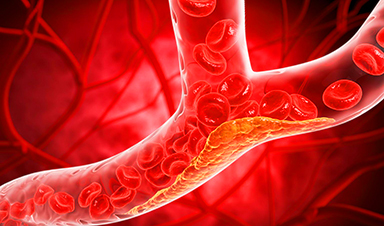
New Treatment Cuts “Bad” Cholesterol in Half for a Full Year
A single infusion of an experimental CRISPR-Cas9 therapy was reported to safely lower LDL cholesterol by 52.5% and triglycerides by 47.8%, as measured 12 months after treatment. What if one infusion could keep cholesterol [...]

Too Much RNA Can Drain a Cell’s Energy, Scientists Discover
A virus may cripple a cell’s power supply simply by producing too much of a molecule the cell needs to survive. New research from the Texas A&M College of Veterinary Medicine and Biomedical Sciences [...]

West African scientists warn of weakening health systems and urge stronger outbreak detection
LOME, Togo (AP) — West African laboratory scientists called on governments Friday to strengthen capacity to detect disease outbreaks to avoid another major outbreak, saying health systems across the region are becoming weaker. Participants [...]

A Little-Known Protein Could Point to a New Way To Treat Alzheimer’s
A study suggests that increasing SORLA protein levels could help treat Alzheimer’s disease and other disorders involving tau protein. Increasing SORLA, a protein with a protective role in the brain, helped mice withstand damage [...]

Cancer’s Hidden Antioxidant Shield Helps It Escape the Immune System
Blocking an antioxidant protein that tumors use to suppress immune attacks improved cancer immunotherapy responses in mice. Cancer cells can release antioxidants that interfere with the immune cells trying to kill them. Researchers have [...]

Scientists Find a Berry Compound That Helps Muscle Cells Burn Fat
Pterostilbene, a compound found naturally in some foods, affects how skeletal muscles process fats by stabilizing a protein called PPARδ and increasing its signaling activity. Pterostilbene, a natural compound found in blueberries, grapes, and [...]