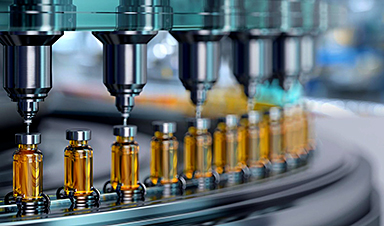
Scientists have uncovered an unexpected way plants make powerful chemicals, revealing hidden biological connections that could transform how medicines are discovered and produced.
Plants produce protective chemicals called alkaloids as part of their natural defenses. People have used these compounds for a long time, including in pain relief medicines, treatments for various diseases, and familiar household products such as caffeine and nicotine.
Scientists want to learn exactly how plants build alkaloids. With that knowledge, they hope to create new and improved medicine-related chemicals faster, at lower cost, and with less harm to the environment.
In a study at the University of York, researchers examined a plant called Flueggea suffruticosa, which makes an especially strong alkaloid known as securinine. As they traced how securinine is produced, the team found a surprise: a key step depends on a gene that resembles bacterial genes more than typical plant genes.
Borrowing Tools From Microbes
The results suggest that plants may use an evolutionary "trick" that relies on biochemical tools often associated with microbes. By repurposing this kind of chemical machinery, plants can strengthen their defenses. The researchers say this pattern is likely not limited to a handful of species, and similar chemistry may be present across many other plants as well.
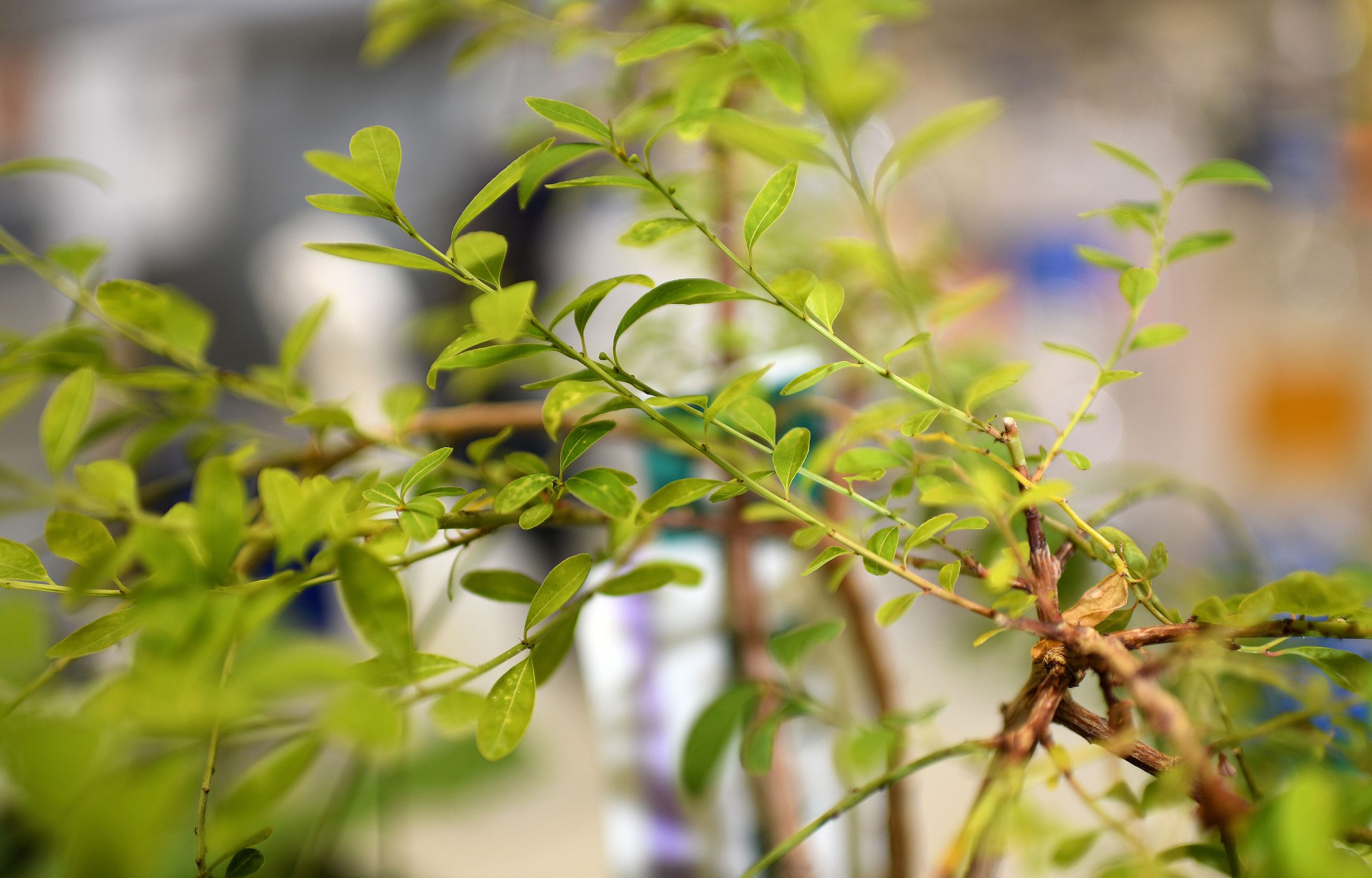
Dr. Benjamin Lichman, from the University of York's Department of Biology, said: "Plants and bacteria are really different forms of life, and so it really was a surprise to see that this significant plant chemical was being driven from a bacterial-like gene.
"We think that this means plants 'recycle' biological tools that are more commonly found in microbes, when they can be useful to them. Even more interesting was that this gene makes securinine in a completely different way from other well-known plant chemicals."
New Opportunities for Drug Discovery
By identifying this previously unknown process, the researchers were able to detect related genes concealed within the DNA of many different plant species. This breakthrough gives scientists a fresh method for finding beneficial natural compounds, along with new biological tools for producing them.
The plant genes identified in the study could be used to manufacture valuable chemicals in laboratory settings. This approach could lower reliance on harvesting rare plants and reduce the need for production methods that depend on aggressive industrial chemicals.
Dr. Lichman said: "Alkaloids can be toxic, so when we use them in medicines they have to be highly controlled and often modified, so understanding the process that goes into making alkaloids can help us develop new methods for producing them in the lab or removing them to make some plants less toxic.
"Now that we know how to look for this chemical production, and that we can find it in more plants than we originally thought, we have new avenues to explore for the production and discovery of safe drugs."
Broader Impacts for Science and Agriculture
The findings, published in the journal New Phytologist, could also help scientists learn more about how plants grow and survive, potentially leading to hardier crops.
Researchers say the work highlights how much there is still to learn from nature, and how unexpected discoveries in basic plant science can have wide-ranging benefits for medicine, agriculture, and the environment.
Reference: "Parallel evolution of plant alkaloid biosynthesis from bacterial-like decarboxylases" by Catharine X. Wood, Zhouqian Jiang, Inesh Amarnath, Lachlan J. N. Waddell, Uma Sophia Batey, Oriana Serna Daza, Katherine Newling, Sally James, Gideon Grogan, William P. Unsworth and Benjamin R. Lichman, 13 January 2026, New Phytologist.
DOI: 10.1111/nph.70884

News
Your Bones May Hold a Hidden Clue to Blood Cancer Survival
For people with blood cancers called myelodysplastic syndromes, osteoporosis may hold an overlooked clue to survival, a three-year observational study suggests. In blood cancers that develop in the bone marrow, an important clue to [...]

Researchers Discover What Reading for Pleasure May Be Doing to Your Brain
Reading for pleasure may offer surprising benefits for the brain, with research linking the habit to better mental health, stronger cognitive abilities, and a lower risk of dementia. Reading for pleasure may do far [...]
Scientists Discover a Hidden Trigger That Keeps Inflammation Alive
Inflammation persists after proteins detach from immune receptors, revealing a potential target for autoimmune treatments. Since a Nobel Prize-winning discovery in the 1990s identified molecules called Toll-like Receptors as the guardians of the human [...]
A Virus Gives Itself Away the Moment It Attacks
Researchers have found the trigger behind a powerful bacterial defense against viruses. Viruses that prey on bacteria could become an increasingly important tool for treating bacterial infections, particularly as antibiotic resistance makes some infections [...]

Scientists Discover Aspirin May Slash Dementia Risk by 70% – but Only for Certain People
Aspirin was linked to a sharply lower dementia risk in some older adults, and their genes may hold the clue. A Monash University analysis found that older adults with a particular genetic profile had [...]
Inflammation May Awaken Dormant Cancer Cells Years After Treatment
The body’s response to inflammation may disturb cancer cells that have been lying silent for years, giving them an opportunity to grow again. Researchers at the Francis Crick Institute have found that gut inflammation [...]

Where do nanoparticles go once they enter the body?
New international best practice guidance, co-written at ANSTO, sets out how to measure where nanoparticles like titanium dioxide end up in the body and how long they remain. The guidance has been shared by [...]
Long-Acting HIV Shots Could Solve a Major Treatment Challenge for Young People
A major African trial suggests that changing how HIV treatment is delivered could significantly improve viral suppression in adolescents. Young people with HIV were more likely to keep the virus suppressed when they received [...]

WHO Factsheets – The top 10 causes of death
In 2023, the 10 leading causes of death accounted for 33 million deaths, or 54% of the total 61 million deaths worldwide. The top global causes of death, in order of total number of lives lost, [...]
Aging Cells May Be Hiding From the Immune System – Scientists Think They Know How
Your immune system is supposed to clear out damaged cells. Researchers may have found how some of them hide and linger as the body ages. Researchers led by Cedars-Sinai Health Sciences University have identified [...]

Your Voice May Reveal How Fast Your Brain Is Aging
Researchers have developed a machine-learning “speech clock” that estimates age from subtle patterns in how people speak and what they say. It is possible that people’s voices may contain certain signals of aging that [...]
Optogenetics Pioneers Win 2026 Nobel Prize in Physiology or Medicine
The 2026 Nobel Prize in Physiology or Medicine has been awarded to Peter Hegemann, Georg Nagel, and Karl Deisseroth for the development of optogenetics, a revolutionary technology that uses light to control individual neurons [...]
Molecular Manufacturing: The Future of Nanomedicine – From NanoappsMedical Inc.
This book explores the revolutionary potential of atomically precise manufacturing technologies to transform global healthcare, as well as practically every other sector across society. This forward-thinking volume examines how envisaged Factory@Home systems might enable the cost-effective [...]

What is ‘American Covid’ and how bad is it?
Cases of so-called ‘American Covid’ are on the rise in the UK. The strain is officially called XFG, or ‘Stratus’, and is the most common variant in North America, hence the name. It might soon [...]
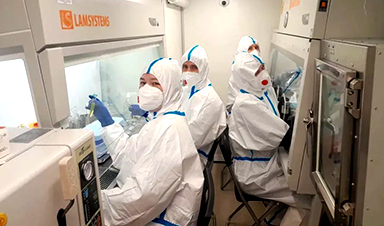
Researcher at Russian plague laboratory dies of ‘unknown’ infection
Russian authorities have imposed "anti-epidemic measures" after a laboratory worker at an institute in Siberia dedicated to studying the plague and other infectious diseases died of a mysterious illness. The researcher, a 28-year-old female [...]

GHCE Concept
From the preface of the book Global Health Care Equivalency in the Age of Nanotechnology, Nanomedicine and Artificial Intelligence, Edited by Frank Boehm: Since the publication of my first book (Nanomedical Device and Systems [...]