A new study raises important questions about widely used NAD+ supplements, suggesting that compounds often taken to boost energy and support healthy aging may have unintended consequences in cancer treatment.
Millions of Americans take supplements like nicotinamide mononucleotide (NMN), nicotinamide riboside (NR), and nicotinamide (NAM) with the goal of boosting energy and supporting healthy aging. These compounds are marketed for their ability to raise levels of NAD+, a molecule central to metabolism and cellular repair.
Some cancer patients have also turned to these supplements, hoping they might ease the harsh side effects of chemotherapy. But emerging research suggests that this strategy could backfire.
A study from Case Western Reserve University's School of Medicine, published in Cancer Letters, found that these vitamin B3 derivatives may actually help pancreatic cancer cells survive treatment. Pancreatic cancer remains one of the most lethal cancers, with a five-year survival rate of just 13%, making any factor that affects treatment outcomes especially important.
How NAD+ Fuels Both Health and Disease
NAD+ is a molecule required for the survival and function of all cells in the body, including both healthy and cancerous ones. Supplements that raise NAD+ levels effectively supply cells with additional fuel.
In healthy individuals, this added fuel may provide benefits. However, the study found that cancer cells can exploit it to strengthen their energy production, repair DNA damage caused by chemotherapy, and avoid programmed cell death. As a result, tumors may withstand treatments that would normally destroy them.
In laboratory tests and mouse studies, the supplements, especially NMN, protected pancreatic cancer cells from three commonly used chemotherapy drugs: oxaliplatin, 5-fluorouracil, and gemcitabine.
Researchers identified three main ways the supplements interfered with treatment:
- Increasing cancer cell energy, which made tumors more robust
- Lowering oxidative stress in tumors, reducing a key mechanism chemotherapy uses to kill cancer cells
- Limiting DNA damage and preventing cell death, both of which are essential for chemotherapy to work
Implications for Cancer Treatment
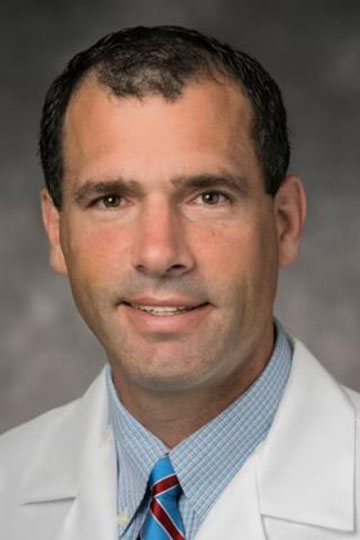
"Our findings highlight a potentially concerning role for NAD+-boosting supplements in the context of an active cancer, especially when used in conjunction with chemotherapy," said study lead Jordan Winter, Case Western Reserve School of Medicine professor and co-leader of the developmental therapeutics program at the National Cancer Institute-designated Cancer Comprehensive Cancer Center. "Our discovery is a call to action for the medical community."
The researchers emphasized that the study does not show these supplements are harmful for healthy individuals. However, for people with active cancer, especially those receiving chemotherapy, the potential risks may be significant.
"This research is a critical reminder that 'natural' doesn't always mean safe," Winter said, "especially in the complex biology of cancer treatment."
The team recommends routine screening of supplement use among cancer patients and calls for further clinical studies to better understand how NAD+ supplements interact with cancer therapies.
For now, Winter advises patients to speak with their oncologist and care team about any supplements they are taking.
Reference: "Vitamin B3 derivatives support pancreatic cancer cell survival and chemotherapy resistance" by Faith Nakazzi, Mehrdad Zarei, Mariana Lopes, Hallie J. Graor, William C. Beegan, Eric Gu, Sakineh Rezaei, Peder J. Lund and Jordan M. Winter, 20 February 2026, Cancer Letters.
DOI: 10.1016/j.canlet.2026.218334

News – Curated by Amanda Scott, Alias Group Creative
Follow her on Bluesky
What is ‘American Covid’ and how bad is it?
Cases of so-called ‘American Covid’ are on the rise in the UK. The strain is officially called XFG, or ‘Stratus’, and is the most common variant in North America, hence the name. It might soon [...]
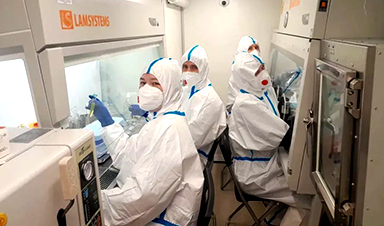
Researcher at Russian plague laboratory dies of ‘unknown’ infection
Russian authorities have imposed "anti-epidemic measures" after a laboratory worker at an institute in Siberia dedicated to studying the plague and other infectious diseases died of a mysterious illness. The researcher, a 28-year-old female [...]
GHCE Concept
From the preface of the book Global Health Care Equivalency in the Age of Nanotechnology, Nanomedicine and Artificial Intelligence, Edited by Frank Boehm: Since the publication of my first book (Nanomedical Device and Systems [...]
A Surprising Brain Signal Could Explain Why Eating Less Protein Extends Lifespan
A new paper suggests that limiting protein intake triggers a coordinated response throughout the body that may help explain how protein restriction affects healthy aging. Animals respond to protein restriction, or reduced protein in [...]

Back and shoulder surgery is often worse than useless
Millions of operations should be scrapped SIX IN TEN Britons have surgery at some point. So do lots of Americans, at a cost of perhaps $500bn a year, a third of all spending on [...]
Cocaine plays with mind, hijacks brain circuit, drives increasingly rigid and repetitive behavior
Researchers have found that cocaine hijacks brain circuit, which to drive increasingly rigid and repetitive behavior. The brain circuit that normally participates in selecting natural mouth and face movements, but which becomes disproportionately engaged [...]
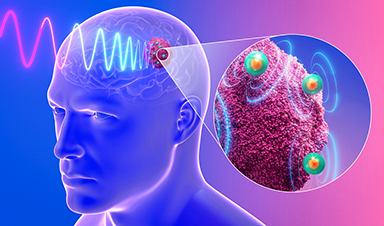
Injectable nanodevices could provide effective treatment for drug-resistant glioblastoma
The brain cancer glioblastoma is one of the most aggressive and treatment-resistant cancers known to medicine, carrying a median survival of just 12-15 months, even with the best available care. Now, researchers at the [...]
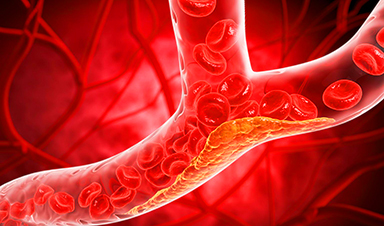
New Treatment Cuts “Bad” Cholesterol in Half for a Full Year
A single infusion of an experimental CRISPR-Cas9 therapy was reported to safely lower LDL cholesterol by 52.5% and triglycerides by 47.8%, as measured 12 months after treatment. What if one infusion could keep cholesterol [...]
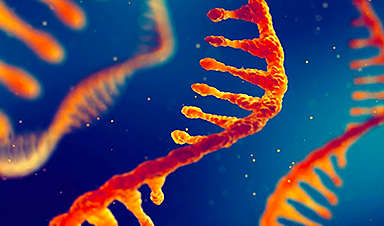
Too Much RNA Can Drain a Cell’s Energy, Scientists Discover
A virus may cripple a cell’s power supply simply by producing too much of a molecule the cell needs to survive. New research from the Texas A&M College of Veterinary Medicine and Biomedical Sciences [...]
West African scientists warn of weakening health systems and urge stronger outbreak detection
LOME, Togo (AP) — West African laboratory scientists called on governments Friday to strengthen capacity to detect disease outbreaks to avoid another major outbreak, saying health systems across the region are becoming weaker. Participants [...]

A Little-Known Protein Could Point to a New Way To Treat Alzheimer’s
A study suggests that increasing SORLA protein levels could help treat Alzheimer’s disease and other disorders involving tau protein. Increasing SORLA, a protein with a protective role in the brain, helped mice withstand damage [...]
Cancer’s Hidden Antioxidant Shield Helps It Escape the Immune System
Blocking an antioxidant protein that tumors use to suppress immune attacks improved cancer immunotherapy responses in mice. Cancer cells can release antioxidants that interfere with the immune cells trying to kill them. Researchers have [...]

Scientists Find a Berry Compound That Helps Muscle Cells Burn Fat
Pterostilbene, a compound found naturally in some foods, affects how skeletal muscles process fats by stabilizing a protein called PPARδ and increasing its signaling activity. Pterostilbene, a natural compound found in blueberries, grapes, and [...]
Two Hidden Forces Help Build the Human Brain Before Birth
Scientists have uncovered two surprising forces that help guide how the human brain forms before birth. Before birth, the human brain is shaped in large part by an unusual class of stem cells known [...]
Researchers Uncover a Hidden Trigger Behind Chronic Inflammation
The findings offer new insights that could help guide the development of future therapies. A protein called human resistin may help flip on one of the immune system’s most powerful inflammatory switches. Researchers at [...]
Scientists Have Uncovered Previously Hidden Microbial Activity on Human Skin
The most abundant microbes on your skin may not be the ones doing most of the work. Human skin supports vast communities of bacteria, fungi, and viruses that can influence its protective barrier, immune [...]