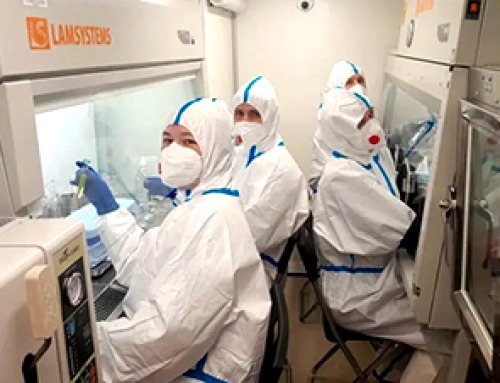
A major Swiss study found that colorectal cancer is becoming increasingly common in adults under 50, even as rates decline in older age groups.
Researchers in Switzerland have identified a concerning trend: while colorectal cancer rates are declining among older adults, the disease is becoming increasingly common in younger people, including some in their thirties. Drawing on four decades of cancer data, the first nationwide study of its kind in Switzerland found a steady rise in cases among adults under 50. The findings, published in the European Journal of Cancer, also show that younger patients are often diagnosed at later stages, underscoring the need for greater awareness of symptoms and risk factors.
Colorectal Cancer Remains a Major Global Health Threat
Colorectal cancer is one of the most common cancers worldwide. It ranks third in new diagnoses and second in cancer-related deaths. According to the World Health Organization, more than 1.9 million people were diagnosed with the disease in 2022, and nearly 900,000 died from it.
The highest rates of colorectal cancer are seen in Europe, Australia, and New Zealand, while Eastern Europe experiences the highest mortality rates.
Switzerland reflects this broader burden. The disease is among the country’s three most frequently diagnosed cancers, with about 4,500 new cases reported each year. Although screening programs have helped reduce diagnoses in adults over 50, researchers say the opposite trend is emerging among younger age groups. Similar increases have been reported in many high-income countries.
“Cases are now emerging in people in their thirties, with no personal or family history of the disease. These patients are often diagnosed late, by which time metastases are already present,” explains Dr. Jeremy Meyer, privat-docent in the Department of Surgery at the UNIGE Faculty of Medicine and a Senior Consultant Surgeon in the Division of Digestive Surgery at the HUG.
National Study Tracks Rising Cancer Rates Under 50
To better understand the trend, Meyer teamed up with Dr. Evelyne Fournier, an epidemiologist at the Geneva Cancer Registry at UNIGE. Together, they conducted the first national study on colorectal cancer among younger adults in Switzerland.
The analysis examined 96,410 colorectal cancer cases diagnosed between 1980 and 2021. The information came from the Geneva registry and the National Agency for Cancer Registration, which collects and analyzes data from cancer registries across Switzerland’s cantons.
The researchers found that cancers diagnosed before age 50 accounted for 6.1% of all colorectal cancer cases. Within this younger population, incidence increased by about 0.5% each year, reaching nearly 7 cases per 100,000 person-years.
That pattern stands in stark contrast to what was observed among adults aged 50-74, the group most commonly targeted by screening programs. In that population, incidence declined by 1.7% among men and 2.8% among women.
Certain Types of Colon and Rectal Cancer Driving the Increase
“Our study also shows that the observed increase primarily concerns rectal cancers in both men and women, as well as right-sided colon cancers in young women. These differences suggest the presence of distinct biological or environmental mechanisms,” says Evelyne Fournier.
The study also found that younger patients were more likely to have advanced disease when diagnosed. Nearly 28% of people under 50 had metastatic cancer at the time of diagnosis, compared with about 20% of older patients.
Earlier Screening and Symptom Awareness
The researchers say recognizing warning signs could play an important role in improving outcomes. Symptoms such as persistent abdominal pain, blood in the stool, changes in bowel habits, and unexplained weight loss should not be dismissed and should prompt a medical evaluation.
“Some countries, such as the United States, have chosen to lower the screening starting age to 45. In cases of increased familial risk or hereditary colorectal cancer, screening should be carried out even earlier,” says Jeremy Meyer.
Scientists are still working to determine why colorectal cancer is becoming more common among younger adults. Several factors may be contributing, including changes in diet and lifestyle, rising obesity rates, and environmental exposures early in life that may affect the microbiome. However, researchers say no single explanation currently accounts for the increase.
Reference: “Rising early-onset colorectal cancer in Switzerland despite declining incidence in older adults: A nationwide population-based study, 1980–2021” by Evelyne Fournier, Robin Schaffar, Katharina Staehelin, Nine Rouxel, Frédéric Ris, Christian Toso, Jean-Louis Frossard, Elisabetta Rapiti, Thibaud Koessler, Lea Wildisen and Jeremy Meyer, 30 March 2026, European Journal of Cancer.
DOI: 10.1016/j.ejca.2026.116707

News – Curated by Amanda Scott, Alias Group Creative
Follow her on Bluesky
Long-Acting HIV Shots Could Solve a Major Treatment Challenge for Young People
A major African trial suggests that changing how HIV treatment is delivered could significantly improve viral suppression in adolescents. Young people with HIV were more likely to keep the virus suppressed when they received [...]

WHO Factsheets – The top 10 causes of death
In 2023, the 10 leading causes of death accounted for 33 million deaths, or 54% of the total 61 million deaths worldwide. The top global causes of death, in order of total number of lives lost, [...]

Aging Cells May Be Hiding From the Immune System – Scientists Think They Know How
Your immune system is supposed to clear out damaged cells. Researchers may have found how some of them hide and linger as the body ages. Researchers led by Cedars-Sinai Health Sciences University have identified [...]

Your Voice May Reveal How Fast Your Brain Is Aging
Researchers have developed a machine-learning “speech clock” that estimates age from subtle patterns in how people speak and what they say. It is possible that people’s voices may contain certain signals of aging that [...]

Optogenetics Pioneers Win 2026 Nobel Prize in Physiology or Medicine
The 2026 Nobel Prize in Physiology or Medicine has been awarded to Peter Hegemann, Georg Nagel, and Karl Deisseroth for the development of optogenetics, a revolutionary technology that uses light to control individual neurons [...]

Molecular Manufacturing: The Future of Nanomedicine – From NanoappsMedical Inc.
This book explores the revolutionary potential of atomically precise manufacturing technologies to transform global healthcare, as well as practically every other sector across society. This forward-thinking volume examines how envisaged Factory@Home systems might enable the cost-effective [...]

What is ‘American Covid’ and how bad is it?
Cases of so-called ‘American Covid’ are on the rise in the UK. The strain is officially called XFG, or ‘Stratus’, and is the most common variant in North America, hence the name. It might soon [...]
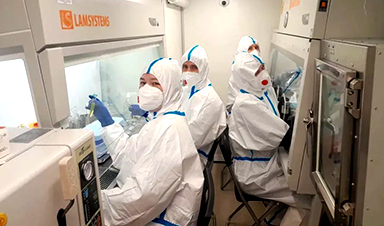
Researcher at Russian plague laboratory dies of ‘unknown’ infection
Russian authorities have imposed "anti-epidemic measures" after a laboratory worker at an institute in Siberia dedicated to studying the plague and other infectious diseases died of a mysterious illness. The researcher, a 28-year-old female [...]

GHCE Concept
From the preface of the book Global Health Care Equivalency in the Age of Nanotechnology, Nanomedicine and Artificial Intelligence, Edited by Frank Boehm: Since the publication of my first book (Nanomedical Device and Systems [...]

A Surprising Brain Signal Could Explain Why Eating Less Protein Extends Lifespan
A new paper suggests that limiting protein intake triggers a coordinated response throughout the body that may help explain how protein restriction affects healthy aging. Animals respond to protein restriction, or reduced protein in [...]

Back and shoulder surgery is often worse than useless
Millions of operations should be scrapped SIX IN TEN Britons have surgery at some point. So do lots of Americans, at a cost of perhaps $500bn a year, a third of all spending on [...]

Cocaine plays with mind, hijacks brain circuit, drives increasingly rigid and repetitive behavior
Researchers have found that cocaine hijacks brain circuit, which to drive increasingly rigid and repetitive behavior. The brain circuit that normally participates in selecting natural mouth and face movements, but which becomes disproportionately engaged [...]

Injectable nanodevices could provide effective treatment for drug-resistant glioblastoma
The brain cancer glioblastoma is one of the most aggressive and treatment-resistant cancers known to medicine, carrying a median survival of just 12-15 months, even with the best available care. Now, researchers at the [...]
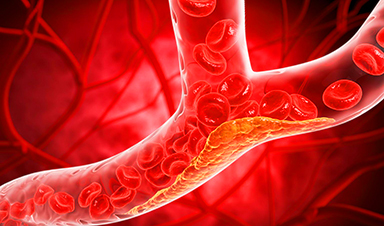
New Treatment Cuts “Bad” Cholesterol in Half for a Full Year
A single infusion of an experimental CRISPR-Cas9 therapy was reported to safely lower LDL cholesterol by 52.5% and triglycerides by 47.8%, as measured 12 months after treatment. What if one infusion could keep cholesterol [...]

Too Much RNA Can Drain a Cell’s Energy, Scientists Discover
A virus may cripple a cell’s power supply simply by producing too much of a molecule the cell needs to survive. New research from the Texas A&M College of Veterinary Medicine and Biomedical Sciences [...]

West African scientists warn of weakening health systems and urge stronger outbreak detection
LOME, Togo (AP) — West African laboratory scientists called on governments Friday to strengthen capacity to detect disease outbreaks to avoid another major outbreak, saying health systems across the region are becoming weaker. Participants [...]