New method uses patient-derived neurons to effectively simulate late-onset Alzheimer's and identify possible treatments.
Researchers at Washington University School of Medicine in St. Louis have created a technique to explore the impact of aging on Alzheimer's disease development. This new method allows for the study of aged neurons in the laboratory without requiring a brain biopsy, which could enhance understanding of the disease and lead to novel treatment approaches.
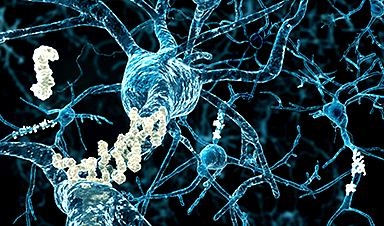
The scientists transformed skin cells taken from patients with late-onset Alzheimer's disease into brain cells called neurons. Late-onset Alzheimer's develops gradually over many decades and only starts to show symptoms at age 65 or older. For the first time, these lab-derived neurons accurately reproduced the hallmarks of this type of dementia, including the amyloid beta buildup, tau protein deposits, and neuronal cell death.
By studying these cells, the researchers identified aspects of cells' genomes — called retrotransposable elements, which change their activity as we age — in the development of late-onset Alzheimer's disease. The findings suggest new treatment strategies targeting these factors.
The study appears Aug. 2 in the journal Science.
Challenges in Alzheimer's Research
"Sporadic, late-onset Alzheimer's disease is the most common type of Alzheimer's disease, representing more than 95% of cases," said senior author Andrew Yoo, PhD, a professor of developmental biology. "It has been very difficult to study in the lab due to the complexity of the disease stemming from various risk factors, including aging as an important contributor. Until now, we did not have a way to capture the effects of aging in the cells to study late-onset Alzheimer's."

To date, animal studies of Alzheimer's disease have, by necessity, focused on mice with rare genetic mutations known to cause inherited, early-onset Alzheimer's in younger people — a strategy that has shed light on the condition but differs from disease development for the vast majority of patients with the sporadic, late-onset form. To more faithfully recapitulate the disease in the lab, Yoo's team turned to an approach called cellular reprogramming.
The method to transform easily obtained human skin cells from living patients directly into neurons makes it possible to study Alzheimer's effects on the brain without the risk of a brain biopsy and in a way that retains the consequences of the patient's age on the neurons. Past work by Yoo and his colleagues, who pioneered this transformation technique using small RNA molecules called microRNAs, has focused on understanding the development of Huntington's disease — an inherited neurological condition that typically shows adult-onset symptoms.
Observations from Neuronal Spheroids
After transforming skin cells into brain cells, the researchers found that the new neurons can grow in a thin gel layer or self-assemble into small clusters — called spheroids — mimicking the 3D environment of the brain. The researchers compared neuronal spheroids generated from patients with sporadic, late-onset Alzheimer's disease, inherited Alzheimer's disease, and healthy individuals of similar ages.
The Alzheimer's disease patients' spheroids quickly developed amyloid beta deposits and tau tangles between neurons. Activation of genes associated with inflammation also emerged, and then the neurons began to die, mimicking what is seen in brain scans of patients. Spheroids from older, healthy donors in the study showed some amyloid deposition but much less than those from patients. The small amyloid deposits in older, healthy spheroids are evidence that the technique is capturing the effects of age and suggests that amyloid beta and tau accumulation correlated with aging. It further demonstrates that the Alzheimer's disease process makes the buildup far worse.
The researchers, including first author Zhao Sun, PhD, a staff scientist in Yoo's lab, found that treating spheroids from late-onset Alzheimer's disease patients with drugs that interfere with the formation of amyloid beta plaques early in the disease process, before neurons start forming toxic amyloid beta buildup, significantly reduced the amyloid beta deposits. But treating at later time points, after some buildup was already present, had no effect or only modestly reduced subsequent amyloid beta deposits. Such data emphasize the importance of identifying and treating the disease early.
Role of Genetic Elements in Alzheimer's
The study further found a role for retrotransposable elements — small pieces of DNA that jump to different locations in the genome — in the development of late-onset Alzheimer's disease. Inhibition of such "jumping genes" with the drug lamivudine (also called 3TC) — an anti-retroviral drug that can dampen the activity of retrotransposable elements — had a positive effect: The spheroids from late-onset Alzheimer's disease patients had reduced amyloid beta and tau tangles and showed less neuronal death compared with the same spheroids treated with a placebo. Lamivudine treatment had no beneficial effect on spheroids from patients with early-onset, inherited Alzheimer's disease, providing evidence that sporadic late-onset Alzheimer's development related to aging has distinct molecular features compared with inherited autosomal dominant Alzheimer's disease.
"In these patients, our new model system has identified a role for retrotransposable elements associated with the disease process," Yoo said. "We were pleased to see that we could reduce the damage with a drug treatment that suppresses these elements. We look forward to using this model system as we work toward new personalized therapeutic interventions for late-onset Alzheimer's disease."
The researchers are planning future studies with spheroids that include multiple types of brain cells, including neurons and glia.
Reference: "Modeling late-onset Alzheimer's disease neuropathology via direct neuronal reprogramming" by Zhao Sun, Ji-Sun Kwon, Yudong Ren, Shawei Chen, Courtney K. Walker, Xinguo Lu, Kitra Cates, Hande Karahan, Sanja Sviben, James A. J. Fitzpatrick, Clarissa Valdez, Henry Houlden, Celeste M. Karch, Randall J. Bateman, Chihiro Sato, Steven J. Mennerick, Marc I. Diamond, Jungsu Kim, Rudolph E. Tanzi, David M. Holtzman and Andrew S. Yoo, 2 August 2024, Science.
DOI: 10.1126/science.adl2992
The study was funded by the Farrell Family Foundation, the Cure Alzheimer's Fund, the Centene Corporation, Edward Mallinckrodt, Washington University NeuroGenomics and Informatics Center, the Children's Discovery Institute, the Foundation for Barnes-Jewish Hospital, and the National Institutes of Health.

News
3D Human Brain Tissue Model Replicates Alzheimer’s Pathology
Summary: Researchers introduced a highly reproducible three-dimensional human brain tissue model capable of replicating complex neurodegenerative processes in Alzheimer’s disease. Developed over nine years using human stem cells, the self-organizing tissue spheroids integrate functional neurons, [...]

A Common Sugar May Loosen Cancer Cells and Help Them Spread
Chemotherapy may kill most ovarian cancer cells, but the few that survive can turn dangerously active. By releasing fructose, they may help nearby tumor cells break free and spread. Researchers at The Wistar Institute [...]

COVID-19 can wake up dormant viruses in the body, large study confirms
Virus reactivations by SARS-CoV-2 could worsen initial symptoms and increase risk of Long Covid. Early in the COVID-19 pandemic, scientists noticed that a SARS-CoV-2 infection can “wake up” other, dormant viruses already present in [...]
Scientists Discover the Brain May Enter a New Biological Phase Between 50 and 75
A single-cell study reveals major changes in immune cells, genome organization, and gene regulation within the aging human hippocampus, offering important insights into brain aging and dementias associated with age. Between roughly ages 50 [...]
Our books now available worldwide!
Online Sellers other than Amazon, Routledge, and IOPP Indigo Global Health Care Equivalency in the Age of Nanotechnology, Nanomedicine and Artifcial Intelligence Global Health Care Equivalency In The Age Of Nanotechnology, Nanomedicine And Artificial [...]

Unzipping the Code of Life: Scientists Pinpoint Where DNA First Opens
Researchers mapped where DNA first opens and how a helicase gate may release one strand as genome copying begins. Before a cell can divide, it must open its tightly wound DNA and begin copying the entire [...]
Scientists Tested an 8-Hour Eating Window and Found a Surprising Brain Benefit
Limiting the daily eating window may provide brain benefits beyond those associated with weight loss. Eating within a shorter daily window may provide cognitive benefits beyond those associated with weight loss alone, according to [...]

Focused Ultrasound Opens Blood-Brain Barrier to Treat Brain Cancer
Summary: A new study demonstrates that primary brain tumors (gliomas) are particularly receptive to targeted drug delivery using focused ultrasound (FUS) combined with microbubbles. The team developed a high-resolution MRI protocol to track blood-brain barrier [...]

AI’s promise and practical limits in drug discovery
AI tools are becoming increasingly common in early drug discovery, allowing scientists to analyse data and navigate large volumes of research. However, according to Dr Raminderpal Singh, turning that potential into consistent scientific workflows [...]

GHCE Concept
From the preface of the book Global Health Care Equivalency in the Age of Nanotechnology, Nanomedicine and Artificial Intelligence, Edited by Frank Boehm: Since the publication of my first book (Nanomedical Device and Systems [...]

Healthcare Headlines: Challenges and Advances in 2026
Health-related updates reveal financial adjustments by Universal Health Services due to Medicaid reimbursement uncertainties, significant pollution-linked health concerns from French-British oil firm Perenco in Congo, drug trial setbacks, potential restructuring at major medical firms, [...]
Scientists Discover the Brain Protein That Helps Alzheimer’s Spread Through the Brain
Scientists have identified a brain protein that may help Alzheimer’s spread, revealing a potential new target for slowing the disease’s progression. Alzheimer’s disease is closely linked to the accumulation of a toxic form of the protein [...]
How Immune Dysregulation Contributes to Psychiatric Disorders
Introduction Growing evidence suggests that disruptions in immune function may play an important role in the development and progression of psychiatric disorders. However, immune mechanisms probably contribute more strongly in some patients than others, [...]
Electrostatic Discharge Boosts Triboelectric Nanogenerator Current and Enables DC Output
Controlled electrical discharges could enable triboelectric nanogenerators to achieve higher peak currents, extending nano-enabled energy harvesting into chemical processing and self-powered sensing. Paper: Electrostatic discharge as a breakthrough strategy for triboelectric nanogenerators. A new review [...]
Swiss laboratory uses old drugs against rare diseases
Researchers at the University of Geneva are combing through collections of approved drugs to find new therapies for rare diseases – with some success. This approach is gaining traction around the world, while pharmaceutical [...]

Nanozyme Aptasensors Show Promise for Faster Food, Health, and Environmental Testing
By pairing robust artificial enzymes with highly selective aptamers, nanozyme aptasensors could help detect disease biomarkers, pathogens, and contaminants faster, but the review shows that real-world deployment still depends on overcoming matrix interference, biofouling, [...]