Introduction
Growing evidence suggests that disruptions in immune function may play an important role in the development and progression of psychiatric disorders. However, immune mechanisms probably contribute more strongly in some patients than others, and observed abnormalities may represent causal factors, consequences of illness or treatment, or shared confounding influences.2,3
Inflammation, neuroimmune signaling, and psychiatric disease
Inflammation is characterized by a coordinated local and systemic response involving innate and adaptive immune cells, cytokines, acute-phase proteins, and other signaling molecules in response to an initiating factor, such as infection or tissue damage. Acute neuroinflammation can occur during infection or direct central nervous system injury and is usually rapid and linked to an identifiable trigger; by contrast, the lower-grade inflammatory patterns reported in psychiatric disorders are generally more diffuse and incompletely characterized.1
Immune dysregulation has been reported across various psychiatric conditions like major depressive disorder (MDD), schizophrenia, and bipolar disorders. However, the strength and consistency of these associations vary across disorders, symptom profiles, tissues examined, disease stage, and patient subgroups, and immune signatures are not present in all patients. Genomic and Mendelian randomization studies support possible roles for selected immune pathways and cell traits, but pleiotropy, sample overlap, limited ancestry diversity, and insufficient cell-specific data constrain causal interpretation.2,3
Neuroinflammation and the pathophysiology of depression
Among psychiatric disorders, depression exhibits some of the most consistent associations with immune dysfunction. Elevated levels of C-reactive protein (CRP) and interleukin-6 (IL-6) are frequently observed in subsets of patients with MDD, and these levels are associated with greater symptom severity and poorer treatment response in some studies.1,2,3 Postmortem analyses have identified alterations in glial and inflammatory markers in some samples; however, findings are heterogeneous and do not establish that neuroinflammation is universal in MDD.1
The interplay between immune status and psychiatric health is exemplified by the increased risk of depression observed among individuals diagnosed with autoimmune diseases like rheumatoid arthritis, inflammatory bowel disease, multiple sclerosis, and asthma. Likewise, a bidirectional relationship has been observed between depression and chronic physical diseases like coronary heart disease, stroke, cancer, metabolic syndrome, and diabetes, suggesting that shared biological and behavioral mechanisms – including inflammation, metabolic dysregulation, disability, medication effects, and, after stroke, consequences of hypoxic brain injury – may contribute to both directions of association.4
Experimental studies provide additional mechanistic support for the immune contribution to depression. Administration of lipopolysaccharide (LPS), a common in vivo model of inflammation, induces behavioral changes that resemble depressive symptoms in humans. Animal studies showing that blocking IL-1 signaling can attenuate inflammation-associated behavioral changes further support a mechanistic role for inflammatory signaling, although such models do not fully reproduce human depression.1
Depression often shows a more consistent immune signature than generalized anxiety disorder, including elevated pro-inflammatory markers and stress-related neuroimmune changes; however, this signature remains heterogeneous and is not diagnostic.1,3
Genetic and immune mechanisms in schizophrenia
Immune dysfunction in schizophrenia is commonly framed within a “multi-hit” model in which genetic susceptibility and early-life environmental exposures interact. Large-scale genome-wide association studies (GWAS) indicate that one of the strongest association signals for schizophrenia lies within the major histocompatibility complex (MHC) region on chromosome 6, a gene-dense and highly polymorphic locus that includes human leukocyte antigen (HLA) genes. HLAs are critical for antigen presentation and immune recognition and help regulate immune tolerance. However, the MHC also contains genes with non-immune functions, and the schizophrenia signal has been linked in part to complement component 4 (C4), which may affect microglia-mediated synaptic pruning. An MHC or HLA association alone therefore does not prove a peripheral autoimmune mechanism.3,4
Maternal exposure to viral or bacterial infections is associated with a higher risk of schizophrenia in offspring. However, pathogen type, infection timing and severity, and familial or environmental confounding vary substantially across studies, so the association does not by itself establish causality.2 Inflammatory abnormalities are also reported in some people with schizophrenia, but they may reflect illness state, medication, lifestyle, or physical comorbidity as well as causal biology.2,3 Likewise, preclinical studies indicate that exposure to inflammation during pregnancy contributes to behavioral changes in the adult offspring, but findings from animal models do not necessarily translate directly to humans. Although the mechanisms underlying these associations are under investigation, candidate pathways include placental and fetal immune signaling, altered neurodevelopment, and later effects on microglial maturation and synaptic pruning.2,3
Epigenetic mechanisms linking stress, immunity, and brain function
Epigenetic mechanisms have also been implicated in altered immune-brain signaling, as exposure to environmental stressors such as childhood trauma, chronic stress, or gestational infection may produce context-dependent changes in DNA methylation and chromatin accessibility that alter how immune and brain cells respond to later challenges.3 Current evidence more strongly supports the broader concept of epigenetic priming: resting immune cells can retain a “poised” regulatory landscape that reflects previous exposures and influences subsequent responses, while genetic variants can shape these epigenetic states.3 Chronic stress can also disrupt glucocorticoid signaling and reduce immune-cell sensitivity to cortisol’s anti-inflammatory effects, but the cited reviews do not establish a single universal NR3C1 methylation pattern across psychiatric disorders.1,3
Therapeutic implications and precision medicine
Immune manipulation through the use of both pro- and anti-inflammatory treatments has the potential to influence psychiatric symptoms. Whereas pro-inflammatory agents, such as interferon α (IFN-α), used to treat oncological and infectious diseases are associated with the onset of depressive symptoms in a substantial subset of patients, immunosuppressants used to treat conditions like psoriasis have been associated with reduced depressive symptom burden, although improvement in the underlying inflammatory disease and quality of life may also contribute.4 Non-steroidal anti-inflammatory drugs (NSAIDs), cytokine inhibitors, and other anti-inflammatory agents have produced mixed results. Meta-analyses suggest possible benefits, particularly as adjunctive treatment in patients with elevated inflammation, but heterogeneous populations, small samples, and potential bias prevent their routine use as general antidepressants.1,2,4
Multiple psychiatric medications also appear to exert secondary immunomodulatory effects. For example, selective serotonin reuptake inhibitors (SSRIs) and serotonin-norepinephrine reuptake inhibitors (SNRIs) have been associated in preclinical and clinical studies with reductions in several pro-inflammatory cytokines, and some studies report changes in tryptophan-kynurenine metabolism toward less neurotoxic profiles. These effects vary across drugs and patients, and the cited evidence does not establish immune modulation as the principal mechanism of antidepressant efficacy.1 Similar anti-inflammatory effects have been reported for monoamine oxidase inhibitors (MAOIs), bupropion, and tricyclic antidepressants, including lower cytokine production and altered intracellular inflammatory pathways, but much of this evidence comes from preclinical, ex vivo, or small clinical studies and does not prove that immune modulation mediates symptom improvement.1
Despite these promising observations, treatment effects are highly variable, with anti-inflammatory interventions potentially more effective in biologically stratified subgroups than across unselected populations; validated predictive biomarkers are not yet available for routine psychiatric care.1,3 Biomarker-driven psychiatry aims to identify patients with clinically meaningful inflammatory profiles by combining repeated immune measurements with clinical, metabolic, and genetic data rather than treating a single marker, such as CRP, as diagnostic.2,3
Emerging research and future directions
Research in this field is increasingly using polygenic and multi-layered frameworks that incorporate genomic, epigenomic, transcriptomic, proteomic, metabolomic, and immune-cell data to define candidate, not yet clinically established, immune-psychiatric subtypes.2,3 These efforts are allowing researchers to simultaneously identify genetic risk variants, cell-specific gene regulation, circulating proteins, metabolites, and context-dependent immune responses. This holistic approach may resolve heterogeneity in psychiatric disorders and clarify how peripheral immune cells, microglia, endothelial signaling, or complement-related synaptic processes contribute in different patients.2,3,4
Future longitudinal cohort studies are needed to monitor biological responses over time and determine how these changes correlate with symptom onset, progression, and severity. Repeated measurements are especially important because a single baseline result cannot distinguish persistent immune dysregulation from infection-related or short-term fluctuations.2 For example, repeated sampling before and after symptom onset in clinically or genetically high-risk groups could identify the biological changes that occur before symptoms emerge. Persistent increases in IL-6, TNF-α, and high-sensitivity CRP may indicate elevated risk in some cohorts, but these nonspecific markers are not validated as early diagnostic signs and can reflect infection, obesity, medication use, or other comorbidities.2,3
Recent advances in Mendelian randomization, colocalization, transcriptome-wide association studies, and cell-type-specific quantitative trait locus mapping are further enhancing efforts to distinguish immune correlation from causation.2,3 These methods integrate genetic associations with gene-expression, protein, methylation, and immune-cell data, but remain vulnerable to pleiotropy, linkage disequilibrium, sample overlap, tissue mismatch, and limited data from relevant developmental stages or stimulated immune states.2,3 Larger, ancestrally diverse cohorts and repeated sampling before and after illness onset are needed to strengthen causal inference.2,3 The ability to identify reproducible immune pathways and biologically defined patient subgroups could facilitate patient stratification and the development of targeted immunomodulatory treatments, although clinical translation will require replication and evidence that biomarkers or interventions improve outcomes.2,3
References
- Hole, C., Dhamsania, A., Brown, C., & Ryznar, R. (2025). Immune Dysregulation in Depression and Anxiety: A Review of the Immune Response in Disease and Treatment. Cells 14(8); 607. DOI: 10.3390/cells14080607. https://www.mdpi.com/2073-4409/14/8/607
- Iakunchykova, O., Leonardsen, E.H. & Wang, Y. (2024). Genetic evidence for causal effects of immune dysfunction in psychiatric disorders: where are we?. Translational Psychiatry 14(63). DOI: 10.1038/s41398-024-02778-2. https://www.nature.com/articles/s41398-024-02778-2
- McGrath, I. M., & Lynall, M. (2026). Immune dysfunction in psychiatric disorders: Emerging genomic insights. Current Opinion in Genetics & Development 98; 102467. DOI: 10.1016/j.gde.2026.102467. https://www.sciencedirect.com/science/article/pii/S0959437X26000341
- Tubbs, J. D., Ding, J., Baum, L., & Sham, P. C. (2020). Immune dysregulation in depression: Evidence from genome-wide association. Brain, Behavior, & Immunity – Health 7. DOI: 10.1016/j.bbih.2020.100108. https://www.sciencedirect.com/science/article/pii/S2666354620300739

News – Curated by Amanda Scott, Alias Group Creative
Follow her on Bluesky

After only a short training, people in a coma managed to send targeted signals
Researchers have succeeded in communicating with brain-injured patients who are unconscious. They see enormous potential in this for future treatments. Patients who lie motionless in bed after a severe brain injury and do not [...]
MIT Scientists Reprogram Immune Cells Inside the Body To Destroy Cancer
Natural killer cells reprogrammed inside mice eliminated lymphoma tumors and helped damaged livers heal, though whether this approach could help people with cancer or autoimmune disease remains unknown. To make a cancer treatment from [...]

Melanoma mRNA Vaccine Shows Promise in Preventing Disease Recurrence
Key takeaways: Phase 3 trial finds personalized intismeran plus pembrolizumab may better prevent high-risk melanoma recurrence after surgery The trial enrolled 1,137 patients and builds on phase 2 results showing about half the recurrence [...]

Scientists Discover a Powerful New Weapon Against a Dangerous Gut Infection
The promise of an experimental treatment for C. difficile gut infections lies partly in the bacteria it leaves alive, according to early laboratory and mouse research. Broad-spectrum antibiotics can disrupt the gut’s microbial community, [...]
Your Bones May Hold a Hidden Clue to Blood Cancer Survival
For people with blood cancers called myelodysplastic syndromes, osteoporosis may hold an overlooked clue to survival, a three-year observational study suggests. In blood cancers that develop in the bone marrow, an important clue to [...]

Researchers Discover What Reading for Pleasure May Be Doing to Your Brain
Reading for pleasure may offer surprising benefits for the brain, with research linking the habit to better mental health, stronger cognitive abilities, and a lower risk of dementia. Reading for pleasure may do far [...]
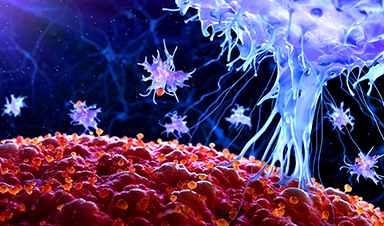
Scientists Discover a Hidden Trigger That Keeps Inflammation Alive
Inflammation persists after proteins detach from immune receptors, revealing a potential target for autoimmune treatments. Since a Nobel Prize-winning discovery in the 1990s identified molecules called Toll-like Receptors as the guardians of the human [...]
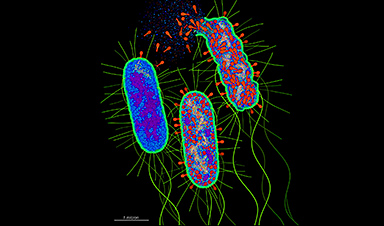
A Virus Gives Itself Away the Moment It Attacks
Researchers have found the trigger behind a powerful bacterial defense against viruses. Viruses that prey on bacteria could become an increasingly important tool for treating bacterial infections, particularly as antibiotic resistance makes some infections [...]
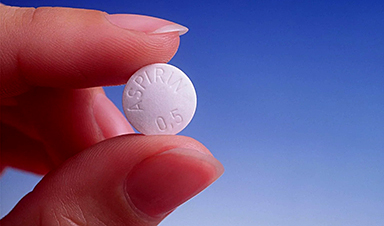
Scientists Discover Aspirin May Slash Dementia Risk by 70% – but Only for Certain People
Aspirin was linked to a sharply lower dementia risk in some older adults, and their genes may hold the clue. A Monash University analysis found that older adults with a particular genetic profile had [...]
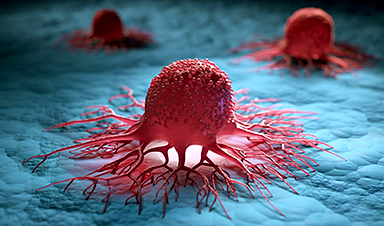
Inflammation May Awaken Dormant Cancer Cells Years After Treatment
The body’s response to inflammation may disturb cancer cells that have been lying silent for years, giving them an opportunity to grow again. Researchers at the Francis Crick Institute have found that gut inflammation [...]

Where do nanoparticles go once they enter the body?
New international best practice guidance, co-written at ANSTO, sets out how to measure where nanoparticles like titanium dioxide end up in the body and how long they remain. The guidance has been shared by [...]
Long-Acting HIV Shots Could Solve a Major Treatment Challenge for Young People
A major African trial suggests that changing how HIV treatment is delivered could significantly improve viral suppression in adolescents. Young people with HIV were more likely to keep the virus suppressed when they received [...]

WHO Factsheets – The top 10 causes of death
In 2023, the 10 leading causes of death accounted for 33 million deaths, or 54% of the total 61 million deaths worldwide. The top global causes of death, in order of total number of lives lost, [...]
Aging Cells May Be Hiding From the Immune System – Scientists Think They Know How
Your immune system is supposed to clear out damaged cells. Researchers may have found how some of them hide and linger as the body ages. Researchers led by Cedars-Sinai Health Sciences University have identified [...]

Your Voice May Reveal How Fast Your Brain Is Aging
Researchers have developed a machine-learning “speech clock” that estimates age from subtle patterns in how people speak and what they say. It is possible that people’s voices may contain certain signals of aging that [...]

Optogenetics Pioneers Win 2026 Nobel Prize in Physiology or Medicine
The 2026 Nobel Prize in Physiology or Medicine has been awarded to Peter Hegemann, Georg Nagel, and Karl Deisseroth for the development of optogenetics, a revolutionary technology that uses light to control individual neurons [...]