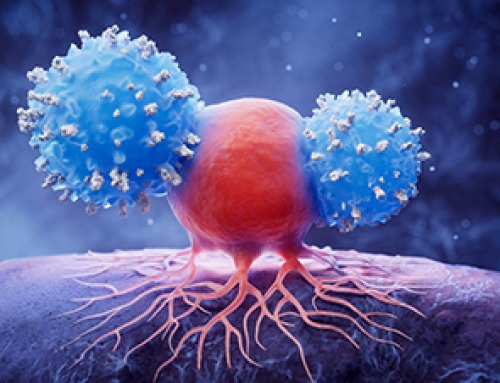
A simple blood test that detects chemical changes in DNA identified more than 90% of stage 2-4 lung cancers in an early study, without relying on costly DNA sequencing.
Researchers at Tel Aviv University and collaborating medical centers have developed a blood test for lung cancer that analyzes chemical patterns on fragments of DNA circulating in the bloodstream. The test focuses on DNA methylation, a type of chemical tagging that can influence gene activity without changing the DNA sequence itself. Because cancer cells often carry distinctive methylation patterns, fragments of DNA they release into the blood can provide a recognizable molecular signature.
To detect that signature, the researchers extract cell-free DNA from a blood sample, chemically process it, amplify selected regions, and use an engineered enzyme to attach fluorescent markers to methylated sites. The labeled DNA is then placed on a hybridization microarray and scanned optically. The resulting light pattern can reveal whether the sample carries a methylation profile associated with lung cancer.
How the Lung Cancer Test Performs
In the study, which included 103 people, researchers compared samples from 51 lung cancer patients with those from 52 healthy controls. After developing a diagnostic signature based on 170 genomic regions, they tested it on a separate blinded validation group. For patients with stage 2-4 lung cancer, the method reached 93.1% sensitivity and 90.3% specificity.
The researchers also found that the DNA patterns differed between adenocarcinoma and squamous cell carcinoma, the two major forms of non-small cell lung cancer. That raises the possibility that the same underlying technology could eventually provide information about tumor type rather than simply flagging whether cancer is present.
Lung cancer remains an enormous global health problem. The latest GLOBOCAN estimates indicate that about 2.6 million people were diagnosed with lung cancer worldwide in 2024, and roughly 1.9 million died from it, making it both the most commonly diagnosed cancer and the leading cause of cancer death globally.
Why Blood Testing Could Improve Lung Cancer Screening
Low-dose CT scans can save lives by detecting lung tumors earlier. Large randomized trials have found that CT screening reduces lung cancer mortality among people at elevated risk. But screening also has an important drawback: suspicious lung nodules are common, and many are not cancer. Depending on the trial and criteria used, false-positive rates have been substantial, sometimes leading to further scans and invasive procedures.
A reliable blood test could therefore have value alongside imaging, potentially helping doctors decide which suspicious findings deserve closer investigation. The researchers envision their technology as a complement to CT rather than a replacement for it.
The method also sidesteps another obstacle facing some blood-based cancer tests. Many liquid biopsies depend on next-generation sequencing and extensive computational analysis, which can increase cost and limit how easily the tests can be deployed. The new assay instead relies on fluorescent labeling and microarray technology that the researchers say could be used in standard clinical laboratories.
The test currently takes about two to three days and costs approximately $60 per sample, according to the researchers.
Tracking Whether Lung Cancer Treatment Is Working
The study also offered an intriguing glimpse of another possible use: tracking whether therapy is working.
Among the patients evaluated over time, changes in DNA methylation patterns mirrored what doctors saw on medical imaging. When patients responded to treatment, their molecular profiles shifted toward those of healthy participants. In patients whose tumors did not respond, researchers saw no comparable change.
If that finding holds up in larger studies, blood sampling could potentially provide doctors with another way to monitor treatment response. The researchers stress, however, that this part of the work remains preliminary.
What Still Needs to Be Proven
Despite its potential relevance to earlier diagnosis, the strongest reported performance in this study was for stage 2-4 cancers. The research was also a proof-of-concept study involving only 103 participants. Much larger and more diverse trials will be needed to determine how well the test performs in stage 1 disease, in people undergoing routine screening, and in patients with other conditions that might alter DNA methylation.
The research was led by Prof. Yuval Ebenstein of Tel Aviv University in collaboration with scientists and physicians from JaxBio Technologies, Bnai Zion Medical Center, Sheba Medical Center, and other institutions.
Prof. Ebenstein concludes, “Our goal is to make blood tests for cancer diagnosis more accessible, simpler, and less expensive without compromising accuracy. We have developed a new approach that does not require genetic sequencing but instead identifies the tumor’s chemical ‘fingerprint’ with light, using a technology that can be implemented in standard clinical laboratories. This is a significant step toward developing a tool that can complement imaging tests and help physicians diagnose lung cancer and monitor treatment effectiveness.”
Reference: “Sequencing-free On-chip detection of lung cancer by fluorescent enzymatic profiling of cfDNA methylation” by Abed Agbarya, Noa Gilat, Yael Michaeli, Jasline Deek, Assaf Grunwald, Sivan Yogev, Lynne Itelson, Suheil Artul, Rasha Khoury, Michael Peled and Yuval Ebenstein, 11 June 2026, npj Precision Oncology.
DOI: 10.1038/s41698-026-01547-2

News – Curated by Amanda Scott, Alias Group Creative
Follow her on Bluesky

Back and shoulder surgery is often worse than useless
Millions of operations should be scrapped SIX IN TEN Britons have surgery at some point. So do lots of Americans, at a cost of perhaps $500bn a year, a third of all spending on [...]
Cocaine plays with mind, hijacks brain circuit, drives increasingly rigid and repetitive behavior
Researchers have found that cocaine hijacks brain circuit, which to drive increasingly rigid and repetitive behavior. The brain circuit that normally participates in selecting natural mouth and face movements, but which becomes disproportionately engaged [...]
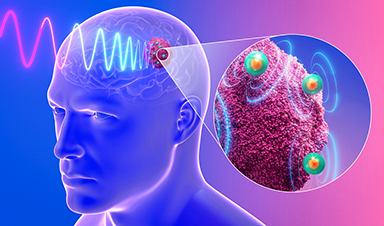
Injectable nanodevices could provide effective treatment for drug-resistant glioblastoma
The brain cancer glioblastoma is one of the most aggressive and treatment-resistant cancers known to medicine, carrying a median survival of just 12-15 months, even with the best available care. Now, researchers at the [...]
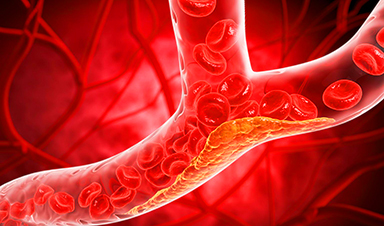
New Treatment Cuts “Bad” Cholesterol in Half for a Full Year
A single infusion of an experimental CRISPR-Cas9 therapy was reported to safely lower LDL cholesterol by 52.5% and triglycerides by 47.8%, as measured 12 months after treatment. What if one infusion could keep cholesterol [...]

Too Much RNA Can Drain a Cell’s Energy, Scientists Discover
A virus may cripple a cell’s power supply simply by producing too much of a molecule the cell needs to survive. New research from the Texas A&M College of Veterinary Medicine and Biomedical Sciences [...]

West African scientists warn of weakening health systems and urge stronger outbreak detection
LOME, Togo (AP) — West African laboratory scientists called on governments Friday to strengthen capacity to detect disease outbreaks to avoid another major outbreak, saying health systems across the region are becoming weaker. Participants [...]

A Little-Known Protein Could Point to a New Way To Treat Alzheimer’s
A study suggests that increasing SORLA protein levels could help treat Alzheimer’s disease and other disorders involving tau protein. Increasing SORLA, a protein with a protective role in the brain, helped mice withstand damage [...]
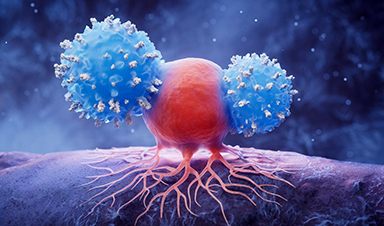
Cancer’s Hidden Antioxidant Shield Helps It Escape the Immune System
Blocking an antioxidant protein that tumors use to suppress immune attacks improved cancer immunotherapy responses in mice. Cancer cells can release antioxidants that interfere with the immune cells trying to kill them. Researchers have [...]

Scientists Find a Berry Compound That Helps Muscle Cells Burn Fat
Pterostilbene, a compound found naturally in some foods, affects how skeletal muscles process fats by stabilizing a protein called PPARδ and increasing its signaling activity. Pterostilbene, a natural compound found in blueberries, grapes, and [...]

Two Hidden Forces Help Build the Human Brain Before Birth
Scientists have uncovered two surprising forces that help guide how the human brain forms before birth. Before birth, the human brain is shaped in large part by an unusual class of stem cells known [...]

Researchers Uncover a Hidden Trigger Behind Chronic Inflammation
The findings offer new insights that could help guide the development of future therapies. A protein called human resistin may help flip on one of the immune system’s most powerful inflammatory switches. Researchers at [...]
Scientists Have Uncovered Previously Hidden Microbial Activity on Human Skin
The most abundant microbes on your skin may not be the ones doing most of the work. Human skin supports vast communities of bacteria, fungi, and viruses that can influence its protective barrier, immune [...]
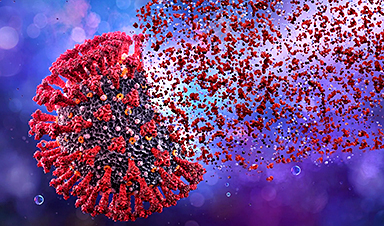
Brazilian Tree Compounds Fight COVID-19 on Multiple Fronts
Scientists found compounds in a Brazilian tree that hit SARS-CoV-2 on multiple fronts, revealing a promising new lead in the search for COVID-19 treatments. Researchers have found that galloylquinic acids extracted from the leaves [...]
Cutting Two Amino Acids Slowed Prostate Cancer in Mice
A newly identified link between amino acid metabolism and cholesterol production may help prostate tumors adapt to hormone therapy. Prostate cancer can find ways around treatments designed to deprive tumors of the hormones they [...]

Largest-Ever Physics Survey Raises New Doubts About Our Model of the Universe
Physicists around the world remain deeply divided on key mysteries of the universe, from dark matter to quantum gravity. The standard cosmological model failed to gain majority support, and no leading theory dominated the [...]
Scientists Just Overturned a 100-Year-Old Belief About Bacteria in the Lungs
New findings raise questions about the role of microbes living in the lungs. More than 35 trillion bacteria live throughout the human body, forming microbiomes in the gut, mouth, lungs, skin, and urogenital tract. [...]