
To accommodate students who wish to read the book at an affordable cost, Nanomedical Device and Systems Design: Challenges, Possibilities, Visions by Frank Boehm (CEO NanoApps Medical Inc.) is available to rent on Kindle.
This book benefits undergraduate and graduate students who are studying nanotechnology/nanomedicine, as well as medical administrative, scientific research, and manufacturing professionals in this industry.
“This book is extraordinarily detailed and comprehensive, and succeeds splendidly as an update to a field previously defined by Freitas’s similarly encyclopedic works. A particularly strong element is the thorough dissection of methods of nanodevice delivery covered in the first section. I am most impressed by the book’s structure. One particularly nice decision was to open up the central section to invited authors, giving the book a level of variety that is otherwise challenging to deliver. The level of detail presented is the main thing I am looking for in such highly speculative engineering design surveys, and it is fantastic here.” Aubrey de Grey (Chairman and Chief Science Officer of the Methuselah Foundation and Editor-in-Chief of Rejuvenation Research
“Realizing that nanotechnology could deliver life-extending drugs, Gussoff imagined what else they could do, and the MaGo bots were born. She did a lot of work finding textbooks that were accessible and had good ideas about the future of nanotechnology. She recommends Nanomedical Device and Systems Design: Challenges, Possibilities, Visions, edited by Frank Boehm, CEO of a nanomedical tech company. It’s well worth the $170 cover price if you’re interested in nanomedical technology.”
– Quantum Run
“Nanomedical Device and Systems Design: Challenges, Possibilities, Visions speculates where nanotechnology for medicine might develop in the next 10-20 years, and postulates a number of possibilities for therapeutic applications including artificial blood and neuroprosthetics and posthuman augmentation. Medical futurists may find this book useful in anticipating where these technologies may lead.” – Theodore Kucklick, author of The Medical Device R&D Handbook

Images Credit: Alias Studio Sydney
Recent News
Cancer’s Hidden Antioxidant Shield Helps It Escape the Immune System
Blocking an antioxidant protein that tumors use to suppress immune attacks improved cancer immunotherapy responses in mice. Cancer cells can release antioxidants that interfere with the immune cells trying [...]

Scientists Find a Berry Compound That Helps Muscle Cells Burn Fat
Pterostilbene, a compound found naturally in some foods, affects how skeletal muscles process fats by stabilizing a protein called PPARδ and increasing its signaling activity. Pterostilbene, a natural compound [...]
Two Hidden Forces Help Build the Human Brain Before Birth
Scientists have uncovered two surprising forces that help guide how the human brain forms before birth. Before birth, the human brain is shaped in large part by an unusual [...]
Researchers Uncover a Hidden Trigger Behind Chronic Inflammation
The findings offer new insights that could help guide the development of future therapies. A protein called human resistin may help flip on one of the immune system’s most [...]
Scientists Have Uncovered Previously Hidden Microbial Activity on Human Skin
The most abundant microbes on your skin may not be the ones doing most of the work. Human skin supports vast communities of bacteria, fungi, and viruses that can [...]
Brazilian Tree Compounds Fight COVID-19 on Multiple Fronts
Scientists found compounds in a Brazilian tree that hit SARS-CoV-2 on multiple fronts, revealing a promising new lead in the search for COVID-19 treatments. Researchers have found that galloylquinic [...]
Cutting Two Amino Acids Slowed Prostate Cancer in Mice
A newly identified link between amino acid metabolism and cholesterol production may help prostate tumors adapt to hormone therapy. Prostate cancer can find ways around treatments designed to deprive [...]
Largest-Ever Physics Survey Raises New Doubts About Our Model of the Universe
Physicists around the world remain deeply divided on key mysteries of the universe, from dark matter to quantum gravity. The standard cosmological model failed to gain majority support, and [...]

Scientists Just Overturned a 100-Year-Old Belief About Bacteria in the Lungs
New findings raise questions about the role of microbes living in the lungs. More than 35 trillion bacteria live throughout the human body, forming microbiomes in the gut, mouth, [...]
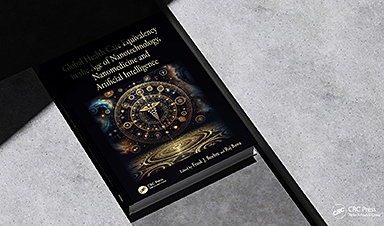
GHCE Concept
From the preface of the book Global Health Care Equivalency in the Age of Nanotechnology, Nanomedicine and Artificial Intelligence, Edited by Frank Boehm: Since the publication of my first [...]

Novartis, Ionis drug failure spurs questions
Pelacarsen didn’t protect heart health despite lowering levels of a protein particle, “Lp(a),” in a large clinical trial — a result with important implications for cardiovascular drug research. Dive [...]
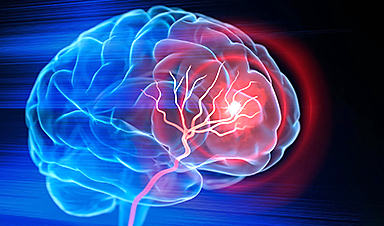
New injectable treatment helps the brain rebuild after stroke
Biomedical engineers at Duke University have created an injectable biomaterial that may help the brain recover from damage left behind by an ischemic stroke. In experiments with mice, the [...]
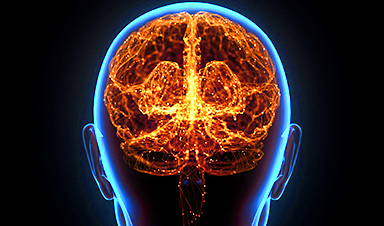
Scientists Discover a Hidden “Immune Organ” Inside the Skull
Researchers discovered lymph node-like immune hubs inside skull bone marrow that appear to act as rapid-response centers for the brain. For decades, the brain was thought to operate largely [...]
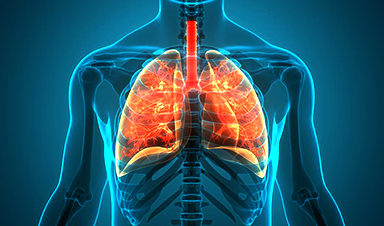
Engineered tRNAs and lipid nanoparticles target nonsense mutation cystic fibrosis
Researchers have developed a potential new approach for treating a form of cystic fibrosis caused by so-called nonsense mutations, combining chemically modified transfer RNAs with lipid nanoparticles designed to [...]
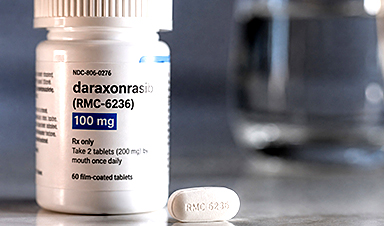
New pancreatic cancer drug carries a $39,800 monthly list price
A groundbreaking treatment for one of the most common forms of pancreatic cancer has been approved in pill form by the FDA. Revolution Medicines’ oral tablet daraxonrasib, branded as [...]
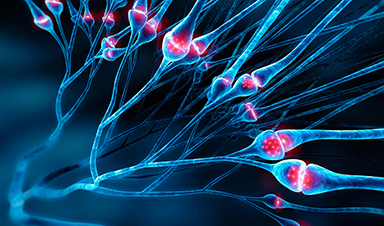
Researchers Have Discovered a New Way To Reduce Chronic Nerve Pain
A cancer-linked protein called BRAF may help drive chronic nerve pain, and existing cancer drugs targeting it reduced pain sensitivity in preclinical models. Chronic nerve pain can persist long [...]

Leave A Comment