A multidisciplinary team at the University of Miami Miller School of Medicine has developed a breakthrough nanodrug platform that may prove beneficial for rapid, targeted therapeutic hypothermia after traumatic brain injury (TBI).
Their work, published in ACS Applied Materials & Interfaces, demonstrates that intranasal nanovanilloids can lower brain temperature by 2.0° C to 3.6° C for up to three hours in pre-clinical models. The results offer a promising new approach for protecting the brain at the point of injury.

“This work exemplifies how nanotechnology and neuroscience principles can be applied together to create therapeutic solutions for critical medical problems that have the potential of saving human lives,” said Sylvia Daunert, Ph.D., Lucille P. Markey Chair in Biochemistry and Molecular Biology and director at the Dr. John T. Macdonald Foundation Biomedical Nanotechnology Institute (BioNIUM), one of the study’s lead investigators.
Study Overview: From Chemistry to Clinical Potential
Vanilloids are natural compounds that activate the TRPV1 receptor, which is involved in pain, inflammation and body temperature regulation. The Miller School researchers created nanovanilloids using three cooling compounds: rinvanil, arvanil and olvanil. They used a special process that mixes the drug in alcohol with water while applying sound waves, which helps the particles form and stay evenly sized. Tests showed these particles are very small (all smaller than 200 nanometers), consistent in size and can stay stable for a long time at room temperature.
Importantly, these particles don’t need any extra carriers or coatings. The drug itself forms the particle. This means more medicine can be delivered safely and easily through the nose to reach the brain in a faster and more targeted manner.
The team checked if the nanovanilloids were safe for cells and didn’t cause stress or damage. They found that the particles didn’t harm cell health or increase stress levels. To make sure the nanovanilloid drugs worked as intended, they ran tests showing that the particles activated the target receptor, TRPV1, which is needed to trigger cooling in the brain.
Why the intranasal route?
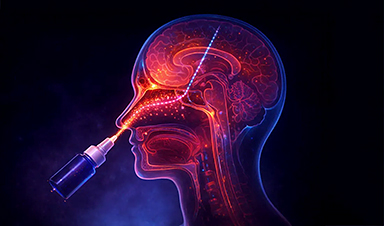
Delivering the medicine through the nose lets it reach the brain quickly and avoids being filtered out by the body’s usual barriers. This means the treatment works faster and needs a smaller dose compared to giving it through an IV. The research team used a custom designed, 3D-printed spray nozzle to make sure the nanodrug was spread evenly and gently inside the nose.
The researchers also pointed out that similar nasal spray devices are already used for other brain medicines. These devices can be made safely and consistently by following standard manufacturing and quality controls.

Using the device, the team administered nanovanilloids and found:
• Nano-olvanil reduced head temperature by about 2 °C for more than 100 minutes for pre-clinical models with no injury.
• Nano-rinvanil achieved a 3.6 °C drop in brain temperature in pre-clinical models with moderate TBI, with core body temperature remaining stable. That indicated targeted brain cooling, and researchers confirmed no liver or kidney toxicity.
Implications for Patient Care
• Prehospital neuroprotection: Enables rapid brain cooling at the scene or during transport for TBI, spinal cord injury, stroke or heat-related illness.
• Targeted therapy: Localized cooling minimizes systemic side effects, a major limitation of traditional hypothermia methods.
• Scalable platform: The carrier-free nano-assembly approach can be adapted for other hydrophobic drugs, broadening its impact on acute neurological care.
“This approach offers a new pathway to protect the brain during the most critical window, with the potential to improve survival and recovery for patients,” said lead investigator Helen Bramlett, Ph.D., professor of neurological surgery at the Miller School and The Miami Project to Cure Paralysis.
Next Steps
The Miller School researchers plan to advance this technology toward clinical translation, including dose optimization, device compatibility and human factors testing. Their work sets the stage for innovative, patient-first neuroprotection strategies that could be deployed outside hospital settings.

“In my opinion, these results mark one of the most important technological developments in therapeutic hypothermia and targeted temperature management research over the past 30 years,” said W. Dalton Dietrich, Ph.D., scientific director of The Miami Project and professor of neurological surgery and senior associate dean for team science at the Miller School.
“It is important to highlight that the developed technology stems from a team science approach, and that without a multidisciplinary team of scientists, complex problems like this cannot be solved,” Dr. Daunert said.
The Miller School Research Team
The research team was led by Dr. Daunert, Dr. Dietrich, Dr. Bramlett and Sapna Deo, Ph.D., professor of biochemistry and molecular biology at the Miller School.


Other key contributors included:
• Emre Dikici, Ph.D., senior scientist and director of the Bionanotechnology Laboratory
• Alexia Kafkoutsou, a Ph.D. candidate in the Department of Biochemistry and Molecular Biology
• Jorge David Tovar, a Ph.D. candidate in the Department of Biochemistry and Molecular Biology
• Juliana Sànchez, M.D., assistant scientist at the Miami Project to Cure Paralysis

News

Your Voice May Reveal How Fast Your Brain Is Aging
Researchers have developed a machine-learning “speech clock” that estimates age from subtle patterns in how people speak and what they say. It is possible that people’s voices may contain certain signals of aging that [...]
Optogenetics Pioneers Win 2026 Nobel Prize in Physiology or Medicine
The 2026 Nobel Prize in Physiology or Medicine has been awarded to Peter Hegemann, Georg Nagel, and Karl Deisseroth for the development of optogenetics, a revolutionary technology that uses light to control individual neurons [...]
Molecular Manufacturing: The Future of Nanomedicine – From NanoappsMedical Inc.
This book explores the revolutionary potential of atomically precise manufacturing technologies to transform global healthcare, as well as practically every other sector across society. This forward-thinking volume examines how envisaged Factory@Home systems might enable the cost-effective [...]

What is ‘American Covid’ and how bad is it?
Cases of so-called ‘American Covid’ are on the rise in the UK. The strain is officially called XFG, or ‘Stratus’, and is the most common variant in North America, hence the name. It might soon [...]
Researcher at Russian plague laboratory dies of ‘unknown’ infection
Russian authorities have imposed "anti-epidemic measures" after a laboratory worker at an institute in Siberia dedicated to studying the plague and other infectious diseases died of a mysterious illness. The researcher, a 28-year-old female [...]

GHCE Concept
From the preface of the book Global Health Care Equivalency in the Age of Nanotechnology, Nanomedicine and Artificial Intelligence, Edited by Frank Boehm: Since the publication of my first book (Nanomedical Device and Systems [...]
A Surprising Brain Signal Could Explain Why Eating Less Protein Extends Lifespan
A new paper suggests that limiting protein intake triggers a coordinated response throughout the body that may help explain how protein restriction affects healthy aging. Animals respond to protein restriction, or reduced protein in [...]

Back and shoulder surgery is often worse than useless
Millions of operations should be scrapped SIX IN TEN Britons have surgery at some point. So do lots of Americans, at a cost of perhaps $500bn a year, a third of all spending on [...]
Cocaine plays with mind, hijacks brain circuit, drives increasingly rigid and repetitive behavior
Researchers have found that cocaine hijacks brain circuit, which to drive increasingly rigid and repetitive behavior. The brain circuit that normally participates in selecting natural mouth and face movements, but which becomes disproportionately engaged [...]
Injectable nanodevices could provide effective treatment for drug-resistant glioblastoma
The brain cancer glioblastoma is one of the most aggressive and treatment-resistant cancers known to medicine, carrying a median survival of just 12-15 months, even with the best available care. Now, researchers at the [...]
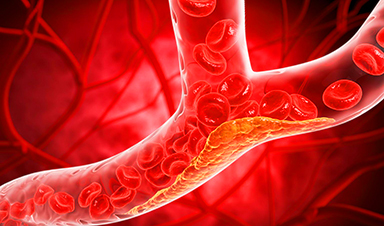
New Treatment Cuts “Bad” Cholesterol in Half for a Full Year
A single infusion of an experimental CRISPR-Cas9 therapy was reported to safely lower LDL cholesterol by 52.5% and triglycerides by 47.8%, as measured 12 months after treatment. What if one infusion could keep cholesterol [...]
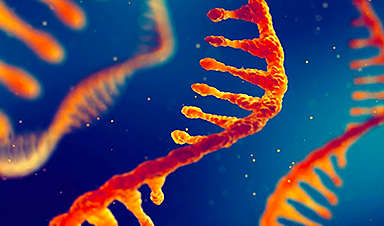
Too Much RNA Can Drain a Cell’s Energy, Scientists Discover
A virus may cripple a cell’s power supply simply by producing too much of a molecule the cell needs to survive. New research from the Texas A&M College of Veterinary Medicine and Biomedical Sciences [...]
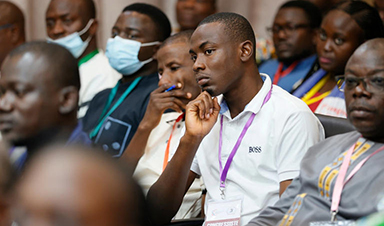
West African scientists warn of weakening health systems and urge stronger outbreak detection
LOME, Togo (AP) — West African laboratory scientists called on governments Friday to strengthen capacity to detect disease outbreaks to avoid another major outbreak, saying health systems across the region are becoming weaker. Participants [...]

A Little-Known Protein Could Point to a New Way To Treat Alzheimer’s
A study suggests that increasing SORLA protein levels could help treat Alzheimer’s disease and other disorders involving tau protein. Increasing SORLA, a protein with a protective role in the brain, helped mice withstand damage [...]
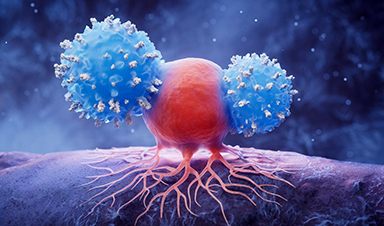
Cancer’s Hidden Antioxidant Shield Helps It Escape the Immune System
Blocking an antioxidant protein that tumors use to suppress immune attacks improved cancer immunotherapy responses in mice. Cancer cells can release antioxidants that interfere with the immune cells trying to kill them. Researchers have [...]

Scientists Find a Berry Compound That Helps Muscle Cells Burn Fat
Pterostilbene, a compound found naturally in some foods, affects how skeletal muscles process fats by stabilizing a protein called PPARδ and increasing its signaling activity. Pterostilbene, a natural compound found in blueberries, grapes, and [...]