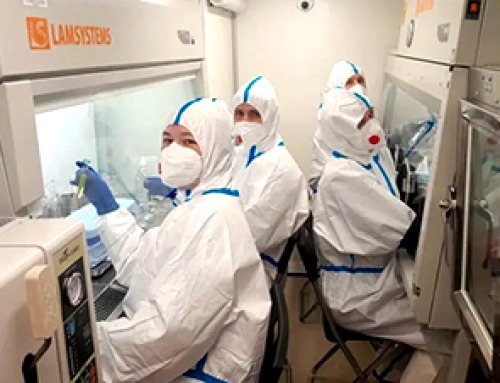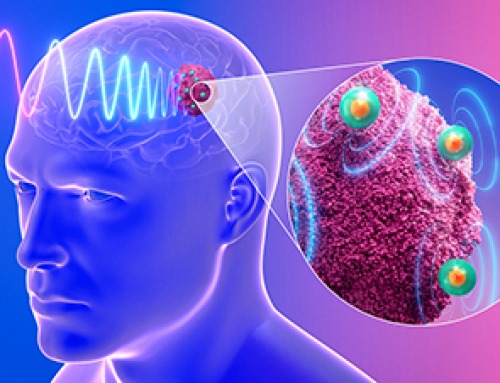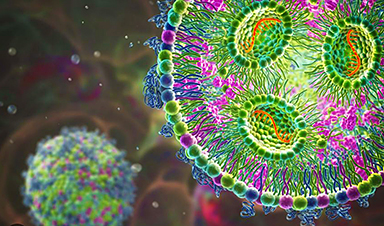
Capstan Therapeutics scientists demonstrate that lipid nanoparticles can engineer CAR T cells within the body without laboratory cell manufacturing and ex vivo expansion. The method using targeted lipid nanoparticles (tLNPs) is designed to deliver messenger RNA specifically to CD8+ T cells.
CAR T therapy has revolutionized the treatment of B-cell cancers, with lasting remissions in lupus, myositis, and leukemia and other B-cell–driven autoimmune disorders. The method requires the use of a patient’s own T cells, reengineering those T cells in a lab, growing the population of the modified cells and placing them back in the patient.
More than 20 million U.S. patients living with autoimmune conditions remain without access to the treatment as it depends on costly personalized lab processes, available at only a few specialized centers.
Capstan’s lipid-nanoparticle drug is formulated once, then administered to many patients without tailoring the genetic payload for each recipient, making it a universal option without the specialty center price tag or access obstacles.
In the study, “In vivo CAR T cell generation to treat cancer and autoimmune disease,” published in Science, researchers designed a lipid-nanoparticle delivery system to convert CD8+ T cells inside the body into transient anti-B-cell CAR T cells.
Experiments spanned humanized mice, primary human immune cells, and 22 cynomolgus monkeys given three doses of the therapeutic nanoparticle L829 (0.1–2.0 mg/kg).
A second cohort of 15 monkeys tested a two-dose schedule, and four additional animals examined steroid–antihistamine premedication. Pharmacokinetics, flow cytometry, imaging, and histology tracked CAR expression, B-cell counts, cytokines, and organ distribution.
Bioluminescent and fluorescent reporters confirmed reduced off-target expression in the liver and enhanced accumulation in spleen and lymphoid tissues compared with benchmark lipids used in mRNA vaccines. CD8-L829-tLNPs preferentially modified CD8+ T cells over CD4+ T cells, monocytes, and B cells.
CAR expression was detectable within six hours, declining by 72 hours. CAR T cells engineered in vivo exhibited antigen-specific cytotoxicity, cytokine production, proliferation, and serial killing capacity. Transfected T cells demonstrated effective clearance of CD19+ target cells in vitro.
In humanized mice, a single intravenous dose of 10 or 30 µg CD8-L829-tLNP-CD19 induced near-complete B cell depletion within three hours, with measurable CAR expression on CD8+ T cells persisting at 24 hours.
Nalm6 leukemia-bearing mice receiving the 30 µg dose exhibited near-total tumor clearance in four of five animals within two days of the first dose and complete clearance by the third day after treatment with a second dose.
In cynomolgus monkeys, two or three infusions of CD8-L829-tLNPs encoding an anti-CD20 CAR at 0.1 to 2.0 mg/kg resulted in rapid and profound B cell depletion across blood, spleen, and lymph nodes. CAR expression was observed in up to 85% of CD8+ T cells and 95% of CD8+ NK cells, with minimal expression in CD4+ populations. B cell repopulation began by day 21 and was characterized by a predominantly naive phenotype.
Mild and transient elevations in liver enzymes and pro-inflammatory cytokines, including interleukin-6 and interferon-gamma, were recorded at higher doses. One animal in the 1.5 mg/kg group was euthanized due to clinical features consistent with immune effector cell-associated hemophagocytic lymphohistiocytosis. A compact two-dose regimen replicated depletion efficacy while reducing cytokine release.
Targeted lipid nanoparticles enable in vivo generation of functional CAR T cells without requiring ex vivo cell manipulation or integrating viral vectors.
Researchers at Capstan Therapeutics demonstrated that lipid nanoparticle formulations bearing mRNA and conjugated to CD8-targeting antibodies can program T cells directly inside the body, offering a platform that bypasses conventional manufacturing, lymphodepletion, and the costly infrastructure required for existing CAR T therapies.
As lipid nanoparticle therapeutics are commercially scalable and already validated in mRNA vaccines, this technology may represent a foundational shift toward broader clinical use of engineered immunotherapy from within the patient’s body.
Written for you by our author Justin Jackson, edited by Sadie Harley, and fact-checked and reviewed by Robert Egan—this article is the result of careful human work. We rely on readers like you to keep independent science journalism alive. If this reporting matters to you, please consider a donation (especially monthly). You’ll get an ad-free account as a thank-you.

News
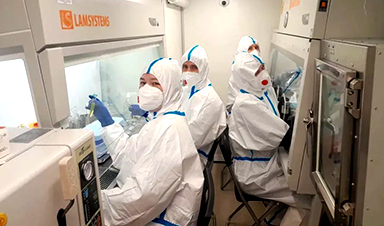
Researcher at Russian plague laboratory dies of ‘unknown’ infection
Russian authorities have imposed "anti-epidemic measures" after a laboratory worker at an institute in Siberia dedicated to studying the plague and other infectious diseases died of a mysterious illness. The researcher, a 28-year-old female [...]

GHCE Concept
From the preface of the book Global Health Care Equivalency in the Age of Nanotechnology, Nanomedicine and Artificial Intelligence, Edited by Frank Boehm: Since the publication of my first book (Nanomedical Device and Systems [...]

A Surprising Brain Signal Could Explain Why Eating Less Protein Extends Lifespan
A new paper suggests that limiting protein intake triggers a coordinated response throughout the body that may help explain how protein restriction affects healthy aging. Animals respond to protein restriction, or reduced protein in [...]

Back and shoulder surgery is often worse than useless
Millions of operations should be scrapped SIX IN TEN Britons have surgery at some point. So do lots of Americans, at a cost of perhaps $500bn a year, a third of all spending on [...]
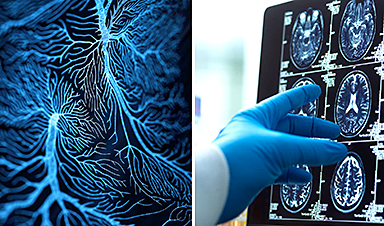
Cocaine plays with mind, hijacks brain circuit, drives increasingly rigid and repetitive behavior
Researchers have found that cocaine hijacks brain circuit, which to drive increasingly rigid and repetitive behavior. The brain circuit that normally participates in selecting natural mouth and face movements, but which becomes disproportionately engaged [...]
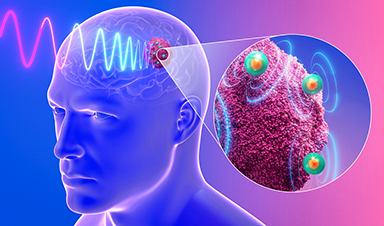
Injectable nanodevices could provide effective treatment for drug-resistant glioblastoma
The brain cancer glioblastoma is one of the most aggressive and treatment-resistant cancers known to medicine, carrying a median survival of just 12-15 months, even with the best available care. Now, researchers at the [...]
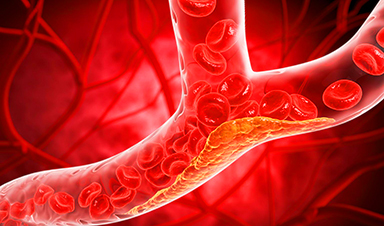
New Treatment Cuts “Bad” Cholesterol in Half for a Full Year
A single infusion of an experimental CRISPR-Cas9 therapy was reported to safely lower LDL cholesterol by 52.5% and triglycerides by 47.8%, as measured 12 months after treatment. What if one infusion could keep cholesterol [...]
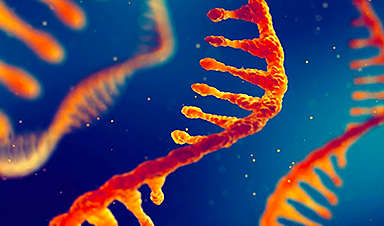
Too Much RNA Can Drain a Cell’s Energy, Scientists Discover
A virus may cripple a cell’s power supply simply by producing too much of a molecule the cell needs to survive. New research from the Texas A&M College of Veterinary Medicine and Biomedical Sciences [...]

West African scientists warn of weakening health systems and urge stronger outbreak detection
LOME, Togo (AP) — West African laboratory scientists called on governments Friday to strengthen capacity to detect disease outbreaks to avoid another major outbreak, saying health systems across the region are becoming weaker. Participants [...]

A Little-Known Protein Could Point to a New Way To Treat Alzheimer’s
A study suggests that increasing SORLA protein levels could help treat Alzheimer’s disease and other disorders involving tau protein. Increasing SORLA, a protein with a protective role in the brain, helped mice withstand damage [...]
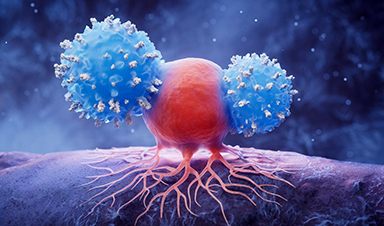
Cancer’s Hidden Antioxidant Shield Helps It Escape the Immune System
Blocking an antioxidant protein that tumors use to suppress immune attacks improved cancer immunotherapy responses in mice. Cancer cells can release antioxidants that interfere with the immune cells trying to kill them. Researchers have [...]

Scientists Find a Berry Compound That Helps Muscle Cells Burn Fat
Pterostilbene, a compound found naturally in some foods, affects how skeletal muscles process fats by stabilizing a protein called PPARδ and increasing its signaling activity. Pterostilbene, a natural compound found in blueberries, grapes, and [...]

Two Hidden Forces Help Build the Human Brain Before Birth
Scientists have uncovered two surprising forces that help guide how the human brain forms before birth. Before birth, the human brain is shaped in large part by an unusual class of stem cells known [...]
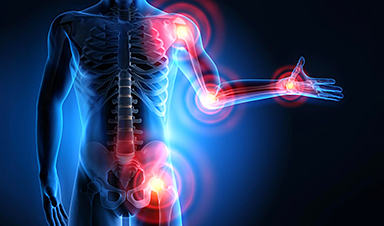
Researchers Uncover a Hidden Trigger Behind Chronic Inflammation
The findings offer new insights that could help guide the development of future therapies. A protein called human resistin may help flip on one of the immune system’s most powerful inflammatory switches. Researchers at [...]
Scientists Have Uncovered Previously Hidden Microbial Activity on Human Skin
The most abundant microbes on your skin may not be the ones doing most of the work. Human skin supports vast communities of bacteria, fungi, and viruses that can influence its protective barrier, immune [...]
Brazilian Tree Compounds Fight COVID-19 on Multiple Fronts
Scientists found compounds in a Brazilian tree that hit SARS-CoV-2 on multiple fronts, revealing a promising new lead in the search for COVID-19 treatments. Researchers have found that galloylquinic acids extracted from the leaves [...]