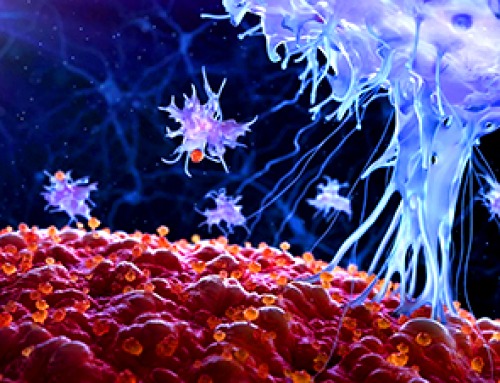
Bay Area biotech SonoThera is bubbling to a clinical boil after raising a $125 million series B with the backing of some of the biggest names in pharma.
Vida Ventures led the raise, with the venture arms of UCB, Bayer, Otsuka Pharmaceutical and Johnson & Johnson all pitching in to support SonoThera’s unique delivery system for genetic medicines.
SonoThera will use the raise to push its lead candidate for Duchenne muscular dystrophy (DMD) and an autosomal dominant polycystic kidney disease program into the clinic, the biotech announced in a June 10 release.
The Big Pharma interest stems from the potential for SonoThera’s technology to solve long-standing problems with traditional delivery systems and bring genetic medicines to bigger patient populations, the biotech’s co-founder and CEO, Kenneth Greenberg, Ph.D., told Fierce Biotech.
Viral vectors, the classic shuttle for gene therapies, are especially prone to safety concerns such as liver toxicity and are limited to a single dose because of recognition from the immune system, Greenberg explained. Both viruses and lipid nanoparticles also struggle with complex manufacturing processes, and can’t fit large amounts of DNA or RNA at once.
“Most of the large pharmas have been battling against these same challenges with their internal programs,” Greenberg said. They also recognize that SonoThera’s approach “could allow the application of gene therapy into chronic prevalent diseases with much greater populations than rare disease[s].”
SonoThera’s solution was invented by the company’s chief scientific officer and co-founder Steve Feinstein, M.D., back in the 1990s. A cardiologist, Feinstein noticed there was no way to produce contrast when using ultrasound on the heart, making imaging difficult.
He created microbubbles as a way to better view the blood-pumping organ, Greenberg told Fierce. “He created the entire field of contrast ultrasound by inventing the first two FDA-approved microbubbles.”
It wasn’t long until Feinstein recognized that the tiny bubbles could also be used to help deliver medicines, and he, Greenberg and the other co-founders teamed up to launch the company in 2022.
The process works like this, Greenberg said: naked DNA or RNA is infused into the patient’s body alongside a stream of microbubbles. Ultrasound is then beamed onto the target organ, which activates the bubbles and causes them to open gaps in the blood vessels that serve as a path to the organ’s tissues. The same ultrasound, the components of which are all already established and FDA approved, then makes the bubbles pop, opening pores in the organ’s cells that the genetic payload can slip through.
The whole procedure can be done in under an hour, according to SonoThera’s release.
“We really wanted to build a platform that would enable patient access and adoption by the clinical community without having novel hardware and additional regulatory hurdles,” the CEO said.
With $125 million more now in the safe, the biggest test is set to come for SonoThera’s unique technique. The biotech plans to launch its DMD clinical trial next year, using its bubble-assisted delivery to ship the full-length dystrophin gene to patients.
Dystrophin is the key muscle protein lacking in DMD, but the gene that makes it is too large to fit into traditional adeno-associated virus (AAV) or nanoparticle vectors. This is why existing medicines, like Sarepta Therapeutics’ Elevidys, instead use a shortened form of the gene, or why other approaches try to target specific disease-causing mutations.


News – Curated by Amanda Scott, Alias Group Creative
Follow her on Bluesky
Our books are available worldwide!
Online Sellers other than Amazon, Routledge, and IOPP Indigo Global Health Care Equivalency in the Age of Nanotechnology, Nanomedicine and Artifcial Intelligence Global Health Care Equivalency In The Age Of Nanotechnology, Nanomedicine And Artificial [...]

After only a short training, people in a coma managed to send targeted signals
Researchers have succeeded in communicating with brain-injured patients who are unconscious. They see enormous potential in this for future treatments. Patients who lie motionless in bed after a severe brain injury and do not [...]
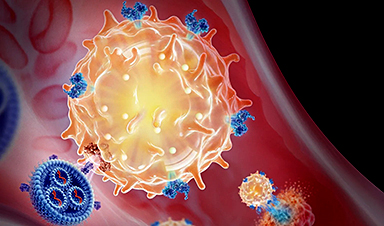
MIT Scientists Reprogram Immune Cells Inside the Body To Destroy Cancer
Natural killer cells reprogrammed inside mice eliminated lymphoma tumors and helped damaged livers heal, though whether this approach could help people with cancer or autoimmune disease remains unknown. To make a cancer treatment from [...]
Melanoma mRNA Vaccine Shows Promise in Preventing Disease Recurrence
Key takeaways: Phase 3 trial finds personalized intismeran plus pembrolizumab may better prevent high-risk melanoma recurrence after surgery The trial enrolled 1,137 patients and builds on phase 2 results showing about half the recurrence [...]

Scientists Discover a Powerful New Weapon Against a Dangerous Gut Infection
The promise of an experimental treatment for C. difficile gut infections lies partly in the bacteria it leaves alive, according to early laboratory and mouse research. Broad-spectrum antibiotics can disrupt the gut’s microbial community, [...]
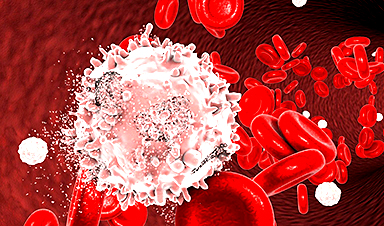
Your Bones May Hold a Hidden Clue to Blood Cancer Survival
For people with blood cancers called myelodysplastic syndromes, osteoporosis may hold an overlooked clue to survival, a three-year observational study suggests. In blood cancers that develop in the bone marrow, an important clue to [...]

Researchers Discover What Reading for Pleasure May Be Doing to Your Brain
Reading for pleasure may offer surprising benefits for the brain, with research linking the habit to better mental health, stronger cognitive abilities, and a lower risk of dementia. Reading for pleasure may do far [...]
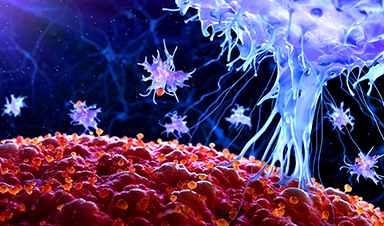
Scientists Discover a Hidden Trigger That Keeps Inflammation Alive
Inflammation persists after proteins detach from immune receptors, revealing a potential target for autoimmune treatments. Since a Nobel Prize-winning discovery in the 1990s identified molecules called Toll-like Receptors as the guardians of the human [...]

A Virus Gives Itself Away the Moment It Attacks
Researchers have found the trigger behind a powerful bacterial defense against viruses. Viruses that prey on bacteria could become an increasingly important tool for treating bacterial infections, particularly as antibiotic resistance makes some infections [...]

Scientists Discover Aspirin May Slash Dementia Risk by 70% – but Only for Certain People
Aspirin was linked to a sharply lower dementia risk in some older adults, and their genes may hold the clue. A Monash University analysis found that older adults with a particular genetic profile had [...]
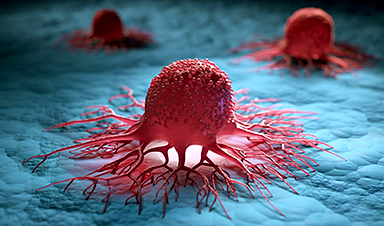
Inflammation May Awaken Dormant Cancer Cells Years After Treatment
The body’s response to inflammation may disturb cancer cells that have been lying silent for years, giving them an opportunity to grow again. Researchers at the Francis Crick Institute have found that gut inflammation [...]
Where do nanoparticles go once they enter the body?
New international best practice guidance, co-written at ANSTO, sets out how to measure where nanoparticles like titanium dioxide end up in the body and how long they remain. The guidance has been shared by [...]
Long-Acting HIV Shots Could Solve a Major Treatment Challenge for Young People
A major African trial suggests that changing how HIV treatment is delivered could significantly improve viral suppression in adolescents. Young people with HIV were more likely to keep the virus suppressed when they received [...]

WHO Factsheets – The top 10 causes of death
In 2023, the 10 leading causes of death accounted for 33 million deaths, or 54% of the total 61 million deaths worldwide. The top global causes of death, in order of total number of lives lost, [...]
Aging Cells May Be Hiding From the Immune System – Scientists Think They Know How
Your immune system is supposed to clear out damaged cells. Researchers may have found how some of them hide and linger as the body ages. Researchers led by Cedars-Sinai Health Sciences University have identified [...]
Your Voice May Reveal How Fast Your Brain Is Aging
Researchers have developed a machine-learning “speech clock” that estimates age from subtle patterns in how people speak and what they say. It is possible that people’s voices may contain certain signals of aging that [...]