A Medical University of South Carolina team reports in Frontiers in Immunology that it has engineered a new type of genetically modified immune cell that can precisely target and neutralize antibody-producing cells complicit in organ rejection. Similar strategies have been used to stimulate the immune system against certain cancers, but Ferreira’s team is the first to show its utility in tamping down immune responses that can lead to organ rejection.
More than 50,000 organ transplants take place each year in the U.S. While often lifesaving, these procedures depend on a precise match between donor and recipient genes to avoid rejection. When the immune system detects foreign tissue, it can attack the transplanted organ.
For decades, doctors have used immunosuppressant drugs to lower the risk of rejection. But these drugs work broadly, suppressing the entire immune system. This can lead to side effects and shorten the life of the transplanted organ.
The MUSC team, led by Leonardo Ferreira, Ph.D., an assistant professor of Pharmacology and Immunology, showed the feasibility of targeted immunosuppression after transplant that could one day reduce rejection without leaving patients vulnerable to infection and other side effects. This strategy could also level the playing field for patients who have limited eligibility for organs because they are especially prone to rejection.
Jaime Valentín-Quiroga, first author of the article and a Ph.D. candidate at University Hospital La Paz in Madrid, Spain, working in the lab of Eduardo Lopez Collazo, Ph.D., is also co-advised by Ferreira. López-Collazo’s research team provided the patient samples for the study.
Spain is one of the leading countries worldwide in organ transplantation and offers the perfect platform to move from bench to bedside. I am lucky to be co-advised by Dr. Ferreira. His research combines my favorite topics, fine-tuning the immune system and using cutting-edge biotechnology to enhance immune cells’ natural functions.”
Jaime Valentín-Quiroga, first author of the article
Balancing the immune system
When in working balance, the immune system protects the body against outside invaders without attacking its own tissues. B-cells release antibodies that attack pathogens and infected cells. Regulatory T-cells, or Tregs, keep the immune response from going too far, preventing tissue damage and autoimmune diseases.
“When you prick your finger, it is important to mount a strong immune response to kill all the bacteria that entered your finger,” Ferreira said. “But it’s also important to bring that immune response to a halt when all the bacteria have been killed. Otherwise, you could lose your finger in the process, and the cure would be as bad as the disease.”
A key target for B-cells are human leukocyte antigen (HLA) proteins, which help the immune system to tell self from non-self. Doctors try to match donor and recipient HLA proteins as closely as possible, but with more than 40,000 HLA variants, perfect matches are rare.
One variant, HLA-A2, is found in nearly one-third of the global population. Patients who have had previous exposure to HLA-A2 are considered “pre-sensitized,” meaning their immune systems are primed to respond to it and release very large amounts of anti-HLA-A2 antibodies. These include previous transplant patients; women who, during pregnancy, carried a child with HLA-A2 inherited from their partners; and recipients of HLA-A2-positive blood transfusions. Pre-sensitized patients have a much more difficult time finding a compatible donor organ.
The CHAR approach
Ferreira’s team has developed a novel way for the Tregs to find and neutralize specifically the B-cells producing anti-HLA-A2 antibodies. They have fitted the Tregs with a CHAR – short for chimeric anti-HLA antibody receptor – which detects the appropriate B-cells and alerts the Tregs to suppress them. When CHARs detect and attach to B-cells secreting anti-HLA-A2 antibodies, they alert the Tregs to neutralize these problematic B-cells, essentially signaling the immune system to stand down and not attack the organ. In this way, not only do CHARs act like heat-seeking missiles to find the right B-cells to target, but they also hold the key to the Treg’s ignition, activating its machinery to elicit a more precise immunosuppressive response and prevent it from going overboard.
Ferreira’s team tested the efficacy of CHAR-Tregs in cells from dialysis patients with a history of kidney rejection. The cells showed high levels of anti-HLA-A2 antibodies, but exposure to CHAR-Tregs dramatically decreased antibody levels.
“We took patients’ cells that have been shown to make an extremely strong response against HLA-A2-expressing cells, and we showed that the novel CHAR-Tregs calmed them down,” said Ferreira. “I think that’s the most exciting part of our study – we show that this strategy works in the cells of actual pre-sensitized patients.”
Valentín-Quiroga, J., et al. (2025) Chimeric anti-HLA antibody receptor engineered human regulatory T cells suppress alloantigen-specific B cells from pre-sensitized transplant recipients. Frontiers in Immunology. doi.org/10.3389/fimmu.2025.1601385.

News
Brazilian Tree Compounds Fight COVID-19 on Multiple Fronts
Scientists found compounds in a Brazilian tree that hit SARS-CoV-2 on multiple fronts, revealing a promising new lead in the search for COVID-19 treatments. Researchers have found that galloylquinic acids extracted from the leaves [...]
Cutting Two Amino Acids Slowed Prostate Cancer in Mice
A newly identified link between amino acid metabolism and cholesterol production may help prostate tumors adapt to hormone therapy. Prostate cancer can find ways around treatments designed to deprive tumors of the hormones they [...]
Largest-Ever Physics Survey Raises New Doubts About Our Model of the Universe
Physicists around the world remain deeply divided on key mysteries of the universe, from dark matter to quantum gravity. The standard cosmological model failed to gain majority support, and no leading theory dominated the [...]
Scientists Just Overturned a 100-Year-Old Belief About Bacteria in the Lungs
New findings raise questions about the role of microbes living in the lungs. More than 35 trillion bacteria live throughout the human body, forming microbiomes in the gut, mouth, lungs, skin, and urogenital tract. [...]
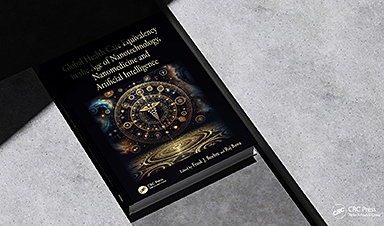
GHCE Concept
From the preface of the book Global Health Care Equivalency in the Age of Nanotechnology, Nanomedicine and Artificial Intelligence, Edited by Frank Boehm: Since the publication of my first book (Nanomedical Device and Systems [...]
Novartis, Ionis drug failure spurs questions
Pelacarsen didn’t protect heart health despite lowering levels of a protein particle, “Lp(a),” in a large clinical trial — a result with important implications for cardiovascular drug research. Dive Brief: An RNA drug from [...]
New injectable treatment helps the brain rebuild after stroke
Biomedical engineers at Duke University have created an injectable biomaterial that may help the brain recover from damage left behind by an ischemic stroke. In experiments with mice, the material transformed the cavity created [...]
Scientists Discover a Hidden “Immune Organ” Inside the Skull
Researchers discovered lymph node-like immune hubs inside skull bone marrow that appear to act as rapid-response centers for the brain. For decades, the brain was thought to operate largely apart from the immune system. [...]
Engineered tRNAs and lipid nanoparticles target nonsense mutation cystic fibrosis
Researchers have developed a potential new approach for treating a form of cystic fibrosis caused by so-called nonsense mutations, combining chemically modified transfer RNAs with lipid nanoparticles designed to deliver the therapy directly to [...]
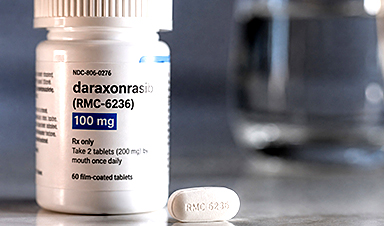
New pancreatic cancer drug carries a $39,800 monthly list price
A groundbreaking treatment for one of the most common forms of pancreatic cancer has been approved in pill form by the FDA. Revolution Medicines’ oral tablet daraxonrasib, branded as Rasonque, reduced the risk of [...]
Researchers Have Discovered a New Way To Reduce Chronic Nerve Pain
A cancer-linked protein called BRAF may help drive chronic nerve pain, and existing cancer drugs targeting it reduced pain sensitivity in preclinical models. Chronic nerve pain can persist long after an injury and often [...]
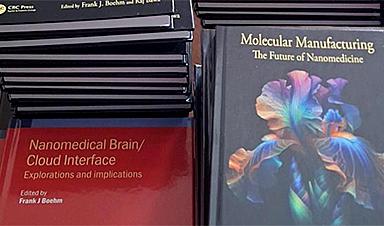
Our books now available worldwide!
Online Sellers other than Amazon, Routledge, and IOPP Indigo Global Health Care Equivalency in the Age of Nanotechnology, Nanomedicine and Artifcial Intelligence Global Health Care Equivalency In The Age Of Nanotechnology, Nanomedicine And Artificial [...]

Quantum-Enabled Regenerative Health: Reimagining Wellness, Precision Health and Longevity Medicine
Introduction Healthcare is approaching a frontier where the quantum portfolio could influence not only how disease is diagnosed and treated, but how health itself is measured, modeled, predicted and preserved. Quantum computing, quantum simulation, [...]

FDA Clears First-of-Its-Kind Nonmedication Treatment for PTSD
The FDA has cleared a system that uses brain activity data to personalize magnetic stimulation for PTSD, adding a new nonmedication treatment option. Every day in the United States, approximately 17.5 veterans die by suicide, [...]

FDA approves breakthrough drug to treat advanced pancreatic cancer
The Food and Drug Administration (FDA) approved on Wednesday a drug that could extend the survival of those with metastatic pancreatic cancer. The drug, called daraxonrasib, will be sold under the brand name Rasonque [...]
AI Decodes a Hidden DNA Signal Linked to Disease-Causing Mutations
Machine learning identifies the likely “initiator” and enables new predictions about DNA mutations that can cause disease. Every human cell depends on tens of thousands of genes being switched on at the right time [...]