
Bird flu viruses present a significant risk to humans because they can continue replicating at temperatures higher than a typical fever. Fever is one of the body's main tools for slowing or stopping viral infections, yet research led by the universities of Cambridge and Glasgow shows that avian flu strains can keep multiplying even when the body reaches temperatures that normally hinder viruses.
In a study published in Science, the researchers identified a gene that strongly influences how sensitive a flu virus is to heat. During the major pandemics of 1957 and 1968, this gene moved into human flu viruses, and the resulting strains were able to spread efficiently.
Why Temperature Matters for Flu Viruses
Human flu viruses infect millions of people annually, with influenza A being the most common seasonal strain. These viruses replicate most effectively in the upper respiratory tract, where temperatures are around 33 °C. They replicate less efficiently deeper in the lungs, where temperatures rise to about 37 °C.
If left uncontrolled, viruses spread through the body and may cause severe illness. Fever is one of the body's protective responses and can raise core temperature to as high as 41 °C. Until recently, however, it remained unclear exactly how fever limits viral growth, or why some viruses can continue thriving despite it.
Avian Flu Thrives in Hotter Environments
Avian influenza viruses behave differently from human flu strains. They often grow in the lower respiratory tract, and in their usual hosts, including ducks and seagulls, they frequently infect the gut. These environments can reach temperatures of 40 to 42 °C.
Past laboratory studies using cultured cells showed that avian flu viruses tend to withstand temperatures similar to those seen during fever in humans. The new research turns to in vivo models, using mice infected with influenza viruses, to better understand how fever protects the body and why this protection may not be enough against bird flu.
Simulating Fever in Mice
The international team led by scientists in Cambridge and Glasgow created fever-like conditions in mice to observe how different flu strains responded. Their experiments used a laboratory-adapted human-origin influenza virus known as PR8, which is not a danger to humans.
Mice do not usually develop fever in response to influenza A viruses, so the team mimicked fever by raising the temperature of the environment where the mice lived (elevating the body temperature of the mice).
Human Flu Stops at High Heat, Avian Flu Does Not
The findings showed that increasing body temperature to fever levels effectively stopped human-origin flu viruses from replicating. This same temperature increase did not stop avian flu viruses. For human flu strains, raising the temperature by just 2 °C was enough to turn what would have been a lethal infection into a mild one.
A Key Gene Behind Bird Flu's Heat Resistance
The study also found that the PB1 gene, which supports viral genome replication inside infected cells, plays a major role in determining temperature sensitivity. Viruses with an avian-like PB1 gene tolerated fever-associated temperatures and caused severe illness in mice. This matters because human and bird flu viruses can exchange genes when they infect the same host, such as pigs, at the same time.
Dr. Matt Turnbull, first author of the study from the Medical Research Council Centre for Virus Research at the University of Glasgow, said: "The ability of viruses to swap genes is a continued source of threat for emerging flu viruses. We've seen it happen before during previous pandemics, such as in 1957 and 1968, where a human virus swapped its PB1 gene with that from an avian strain. This may help explain why these pandemics caused serious illness in people.
"It's crucial that we monitor bird flu strains to help us prepare for potential outbreaks. Testing potential spillover viruses for how resistant they are likely to be to fever may help us identify more virulent strains."
High Fatality Rates Highlight the Danger
Senior author Professor Sam Wilson, from the Cambridge Institute of Therapeutic Immunology and Infectious Disease at the University of Cambridge, said: "Thankfully, humans don't tend to get infected by bird flu viruses very frequently, but we still see dozens of human cases a year. Bird flu fatality rates in humans have traditionally been worryingly high, such as in historic H5N1 infections that caused more than 40% mortality.
"Understanding what makes bird flu viruses cause serious illness in humans is crucial for surveillance and pandemic preparedness efforts. This is especially important because of the pandemic threat posed by avian H5N1 viruses."
Implications for Treatment
Reference: "Avian-origin influenza A viruses tolerate elevated pyrexic temperatures in mammals" by Matthew L. Turnbull, Yingxue Wang, Simon Clare, Gauthier Lieber, Stephanie L. Williams, Marko Noerenberg, Akira J. T. Alexander, Sara Clohisey Hendry, Douglas G. Stewart, Joseph Hughes, Simon Swingler, Spyros Lytras, Emma L. Davies, Katherine Harcourt, Katherine Smollett, Rute M. Pinto, Hui-Min Lee, Eleanor R. Gaunt, Colin Loney, Johanna S. Jung, Paul A. Lyons, Darrell R. Kapczynski, Edward Hutchinson, Ana da Silva Filipe, Jeffery K. Taubenberger, Suzannah J. Rihn, J. Kenneth Baillie, Ervin Fodor, Alfredo Castello, Kenneth G. C. Smith, Paul Digard and Sam J. Wilson, 27 November 2025, Science.
DOI: 10.1126/science.adq4691
The research was funded primarily by the Medical Research Council, with additional funding from the Wellcome Trust, Biotechnology and Biological Sciences Research Council, European Research Council, European Union Horizon 2020, UK Department for Environment, Food & Rural Affairs, and US Department of Agriculture.

News

Ryugu asteroid samples contain all DNA and RNA building blocks, bolstering origin-of-life theories
All the essential ingredients to make the DNA and RNA underpinning life on Earth have been discovered in samples collected from the asteroid Ryugu, scientists said Monday. The discovery comes after these building blocks [...]

Is Berberine Really a “Natural Ozempic”?
Often labeled a “natural Ozempic,” berberine is widely discussed as a metabolic aid. Yet research suggests its influence may lie deeper. In recent years, berberine has gained significant attention as a supposed “natural way” [...]

Viagra Ingredient Shows Promise for Rare Childhood Brain Disease in Surprising Study
A rare childhood disease with no approved treatment may have an unexpected new therapeutic candidate. Sildenafil, the active ingredient also sold under the brand name Viagra, may help reduce symptoms in people with Leigh [...]

In a first for China, Neuracle’s implantable brain-computer interface wins approval
In a landmark development, Neuracle Medical Technology has secured the country’s first-ever approval for an implantable brain-computer interface (BCI) system designed to restore hand motor function in patients with spinal cord injuries, in a [...]

A Cambridge Lab Mistake Reveals a Powerful New Way to Modify Drug Molecules
A surprising lab discovery reveals a light-powered way to tweak complex drugs faster, cleaner, and later in development. Researchers at the University of Cambridge have created a new technique for altering complex drug molecules [...]
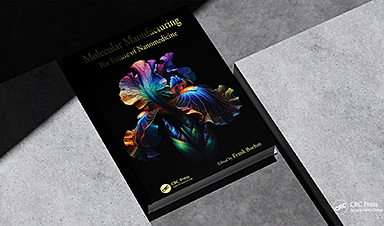
New book from NanoappsMedical Inc – Molecular Manufacturing: The Future of Nanomedicine
This book explores the revolutionary potential of atomically precise manufacturing technologies to transform global healthcare, as well as practically every other sector across society. This forward-thinking volume examines how envisaged Factory@Home systems might enable the cost-effective [...]

Scientists Discover Simple Saliva Test That Reveals Hidden Diabetes Risk
Researchers have identified a potential new way to assess metabolic health using saliva instead of blood. High insulin levels in the blood, known as hyperinsulinemia, can reveal metabolic problems long before obvious symptoms appear. It is [...]

One Nasal Spray Could Protect Against COVID, Flu, Pneumonia, and More
A single nasal spray vaccine may one day protect against viruses, pneumonia, and even allergies. For decades, scientists have dreamed of creating a universal vaccine capable of protecting against many different pathogens. The idea [...]

New AI Model Predicts Cancer Spread With Incredible Accuracy
Scientists have developed an AI system that analyzes complex gene-expression signatures to estimate the likelihood that a tumor will spread. Why do some tumors spread throughout the body while others remain confined to their [...]

Scientists Discover DNA “Flips” That Supercharge Evolution
In Lake Malawi, hundreds of species of cichlid fish have evolved with astonishing speed, offering scientists a rare opportunity to study how biodiversity arises. Researchers have identified segments of “flipped” DNA that may allow fish to adapt rapidly [...]

Our books now available worldwide!
Online Sellers other than Amazon, Routledge, and IOPP Indigo Global Health Care Equivalency in the Age of Nanotechnology, Nanomedicine and Artifcial Intelligence Global Health Care Equivalency In The Age Of Nanotechnology, Nanomedicine And Artificial [...]

Scientists Discover Why Some COVID Survivors Still Can’t Taste Food Years Later
A new study provides the first direct biological evidence explaining why some people continue to experience taste loss long after recovering from COVID-19. Researchers have uncovered specific biological changes in taste buds that could help [...]

Catching COVID significantly raises the risk of developing kidney disease, researchers find
Catching Covid significantly raises the risk of developing deadly kidney disease, research has shown. The virus was found to increase the chances that patients will develop the incurable condition by around 50 per cent. [...]

New Toothpaste Stops Gum Disease Without Harming Healthy Bacteria
Researchers have developed a targeted approach to combat periodontitis without disrupting the natural balance of the oral microbiome. The innovation could reshape how gum disease is treated while preserving beneficial bacteria. The human mouth [...]

Plastic Without End: Are We Polluting the Planet for Eternity?
The Kunming Montreal Global Biodiversity Framework calls for the elimination of plastic pollution by 2030. If that goal has been clearly set, why have meaningful measures that create real change still not been implemented? [...]

Scientists Rewire Natural Killer Cells To Attack Cancer Faster and Harder
Researchers tested new CAR designs in NK-92 cells and found the modified cells killed tumor cells more effectively, showing stronger anti-cancer activity. Researchers at the Ribeirão Preto Blood Center and the Center for Cell-Based [...]