
How doctors can predict which patients are more likely to die of COVID Several studies have come out about the COVID prognosis.
As a result, we now have a powerful way to predict which patients with COVID pneumonia are more likely to die and require longer stays in the hospital. We already know that less than 15% of people who get COVID have a severe disease to the point of requiring hospitalization. Less than 5% of people who get coronavirus require ICU.
For those with COVID pneumonia who require ICU, and for some of the other patients in the hospital who might not necessarily need ICU, these are the patients who have the cytokine storm that we keep hearing about, meaning the immune system is going haywire.
There is a ton of inflammation taking place in the body….especially the lungs. But now, we have a more specific way of predicting who is more likely to develop cytokine storm, and therefore more likely to die, and who is more likely to require a longer stay in the hospital….and it’s based on the bloodwork we get when patients are hospitalized.
When we get bloodwork, we’re doing various lab tests. It is most commonly a complete blood count, CBC, and a complete metabolic panel or CMP. We often check other things like troponin, d-dimer, LDH, ferritin, and CRP. A complete blood count is specifically looking at 3 things: hemoglobin levels, platelets, and white blood cells. We can use the total number and the breakdown of the percentages of the types of white blood cells, meaning what percentage are neutrophils, monocytes, lymphocytes, eosinophils, and basophils. Lymphocytes generally make up about 15-45% of WBC. This is very important as it pertains to COVID, and you’ll see why in a little bit.
The CMP stands for the complete metabolic pan looking at sodium, potassium, chloride, bicarbonate, blood urea nitrogen, creatinine, glucose calcium, bilirubin, albumin, and liver enzymes like AST ALT alkaline phosphatase. Some of these also have important implications when it comes to COVID disease severity. Because In the recent study done at Temple University, they analyzed over 500 hospitalized COVID patients, all of which had inflammation in their lungs seen on a CT scan of the chest (show). They determined the criteria for COVID cytokine storm. For patients who met these criteria, their length of stay in the hospital was 15 days, compared to 6 days if they did not meet the criteria.
Mortality was 28.8% in the group that met the criteria, vs. 6.6% in those who did not. So if they met cytokine storm criteria, their likelihood of dying was 4 times higher. And how accurate was this prediction model? Pretty accurate, as this study had a specificity of 79% and a sensitivity of 85%, which is a lot of predictive power. Most of the patients who met the criteria for CS did so at the time of admission or shortly after. This suggests that there is an early and rapid progression in these patients and that there is a low likelihood of developing cytokine storms after 10 days of hospitalization.
So based on these specific lab parameters, this is how doctors can predict which patients are more likely to die of COVID. I find that this study correlates with what I’ve seen in my personal experience with hospitalized covid patients. And yes, the man whose CT scan I showed you earlier in this video met all of these criteria for cytokine storm, and he did so as soon as 24 hours of being admitted to the hospital.
Doctor Mike Hansen, MD Internal Medicine | Pulmonary Disease | Critical Care Medicine

News
Why More People in Their 30s Are Suddenly Getting Colon Cancer
A major Swiss study found that colorectal cancer is becoming increasingly common in adults under 50, even as rates decline in older age groups. Researchers in Switzerland have identified a concerning trend: while colorectal [...]
Researchers Compare MS Models to Human Tissue in Search for Better Therapies
Researchers identified key differences between two widely used multiple sclerosis models, showing how each can better study myelin damage, immune responses, and repair. The findings may improve efforts to develop treatments that restore lost [...]
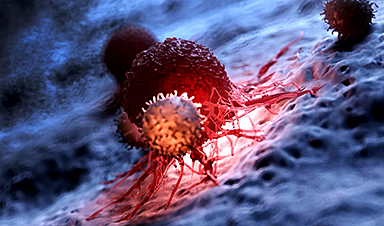
Scientists Discover Genetic “Off Switch” That Supercharges CAR T Cells Against Cancer
A new study reveals a possible way to make CAR T-cell therapy more durable and effective by targeting a single gene-regulating protein. CAR T-cell therapy is widely seen as a breakthrough in personalized cancer [...]
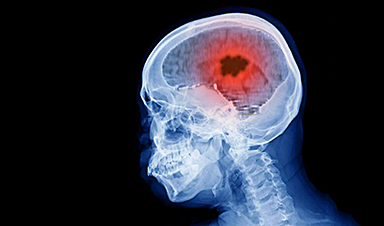
New Vitamin B12-Based Therapy Could Change How Brain Cancer Is Treated
Researchers have identified a vitamin B12–based compound that appears capable of crossing the blood–brain barrier and selectively accumulating in glioblastoma tissue. For decades, one of the biggest problems in brain cancer treatment has had [...]

Simple Fiber Supplement Cuts Knee Arthritis Pain in Just 6 Weeks, Study Finds
A daily inulin supplement may help reduce knee osteoarthritis pain while revealing a possible link between gut health, muscle function, and pain sensitivity. For millions of people living with knee osteoarthritis, managing chronic pain [...]
This Common Vitamin May Help Stop Prediabetes From Turning Into Diabetes
Vitamin D may help prevent type 2 diabetes in people with specific genetic variations, offering a possible path toward personalized diabetes prevention. More than 40% of U.S. adults have prediabetes, a condition in which [...]

Ebola, hantavirus: Is the world prepared for the next pandemic?
Funding cuts to health research and a growing antivaccine movement are making it harder than ever to respond to viruses. The World Health Organization (WHO) has declared that an Ebola outbreak in Uganda and [...]

May 2026 Healthcare News and Trends: Market Signals That Matter
Artificial intelligence is dominating headlines, telehealth has settled into a new normal, and digital health continues to promise transformation. However, much of what is being discussed in healthcare today reflects potential rather than reality. [...]
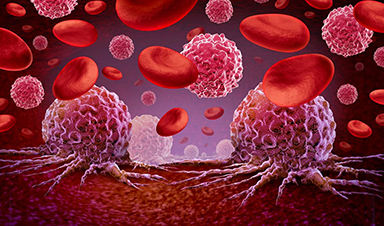
Scientists Rewire Donor Stem Cells To Outsmart Aggressive Blood Cancers
Researchers have tested a gene-edited stem cell transplant designed to shield healthy blood-forming cells from powerful cancer-targeting immunotherapies. For patients with highly aggressive blood cancers, stem cell transplantation can offer a rare chance at [...]

Recent Digital Health Trends, Insights and News – May 2026
Last month marked continued progress as digital health moves into its next phase — from AI expanding into drug discovery and core infrastructure to new federal pathways accelerating device access and home-based care. Together, [...]
Cancer Mystery Solved: Scientists Discover How Melanoma Becomes “Immortal”
Scientists have uncovered a previously overlooked mechanism that may help melanoma cells become effectively “immortal.” Cancer cells face a major problem before they can become deadly: They have to figure out how to stop [...]
How Visual Neurons Organize Thousands of Synaptic Inputs
Summary: A new study uncovered the organizational rules that determine how neurons in the primary visual cortex process information. By imaging both the cell bodies (soma) and the individual synapses (on dendritic spines) of [...]

Scientists Just Found a Surprising Way To Destroy “Forever Chemicals”
Scientists have uncovered a new mechanism that may help break down highly persistent PFAS pollutants. PFAS have earned the nickname “forever chemicals” for a reason. These industrial compounds are so chemically durable that they [...]

Scientists Discover Cheap Material That Kills Deadly Superbugs
A new sulfur-rich antimicrobial polymer shows strong effectiveness against fungal and bacterial pathogens and may offer an affordable solution to antimicrobial resistance. Antimicrobial resistance is creating growing challenges for both healthcare and food production, [...]

What to Know About Cicada, or BA.3.2, the Latest SARS-CoV-2 Variant Under Monitoring
Like periodical cicadas, the insects for which it is nicknamed, SARS-CoV-2 Omicron subvariant BA.3.2 is only just beginning to emerge after lying low for an extended period since it first appeared. Although it was [...]
Scientists Say This Simple Supplement May Actually Reverse Heart Disease
Scientists in Japan say a common supplement may actually help “unclog” certain diseased heart arteries from the inside out. A simple food supplement sold in Japan may have helped reverse a dangerous form of [...]