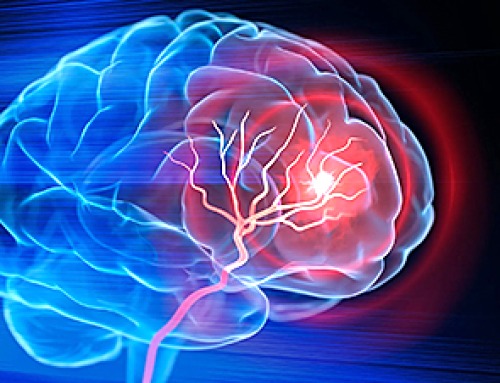
Lemborexant and similar sleep medications show potential for treating tau-related disorders, including Alzheimer's disease.
New research from Washington University School of Medicine in St. Louis shows that a commonly used sleep medication can restore normal sleep patterns and shield mice from the brain damage linked to neurodegenerative conditions such as Alzheimer's disease. The drug, lemborexant, blocks the buildup of an abnormal form of the tau protein in the brain, thereby reducing the inflammation and cellular injury that tau typically causes in Alzheimer's.
The findings indicate that lemborexant, along with other medications that act in a similar way, could hold promise for treating or preventing tau-related damage in several neurodegenerative disorders, including Alzheimer's disease, progressive supranuclear palsy, corticobasal syndrome, and certain forms of frontotemporal dementia.
The study was recently published in the journal Nature Neuroscience.
Linking sleep loss and tau buildup
"We have known for a long time that sleep loss is a risk factor for Alzheimer's disease," said senior author David M. Holtzman, MD, the Barbara Burton and Reuben M. Morriss III Distinguished Professor of Neurology at WashU Medicine. "In this new study, we have shown that lemborexant improves sleep and reduces abnormal tau, which appears to be a main driver of the neurological damage that we see in Alzheimer's and several related disorders. We are hopeful this finding will lead to further studies of this sleep medication and the development of new therapeutics that may be more effective than current options either alone or in combination with other available treatments.
"The antibodies to amyloid that we now use to treat patients with early, mild Alzheimer's dementia are helpful, but they don't slow the disease down as much as we would like," he added. "We need ways to reduce the abnormal tau buildup and its accompanying inflammation, and this type of sleep aid is worth looking at further. We are interested in whether going after both amyloid and tau with a combination of therapies could be more effective at slowing or stopping the progression of this disease."
Testing lemborexant in mouse models
Holtzman and his colleagues were among the first to demonstrate that poor sleep is a risk factor for Alzheimer's disease, closely linked to the buildup of proteins such as amyloid and tau. In earlier studies using mice genetically predisposed to develop these protein deposits, they showed that sleep loss accelerates this buildup. Their newest research revealed that improving sleep in these mice with lemborexant reduced tau tangles and lowered the level of nerve cell death typically associated with Alzheimer's disease.
Tau protein accumulates in the brain in several neurological disorders, including Alzheimer's, where it triggers inflammation and the degeneration of neurons. Holtzman's team, with Samira Parhizkar, PhD, as first author, investigated lemborexant partly because it targets brain regions especially vulnerable to abnormal tau buildup. Importantly, it does not interfere with motor coordination, an issue often raised when considering sleep medications for people with dementia.
Mechanism of action and comparisons
Lemborexant belongs to a class of three FDA-approved sleep medications that act as orexin receptor antagonists. Orexins are small proteins that regulate sleep by binding to receptors on cell surfaces. By blocking both orexin receptor types (1 and 2), lemborexant disrupts orexin activity, influencing the sleep-wake cycle and related processes such as appetite regulation.
The pharmaceutical company Eisai provided lemborexant for these studies as part of a research collaboration with WashU Medicine focused on developing innovative treatments for Alzheimer's disease, Parkinson's disease, and other neurodegenerative diseases.
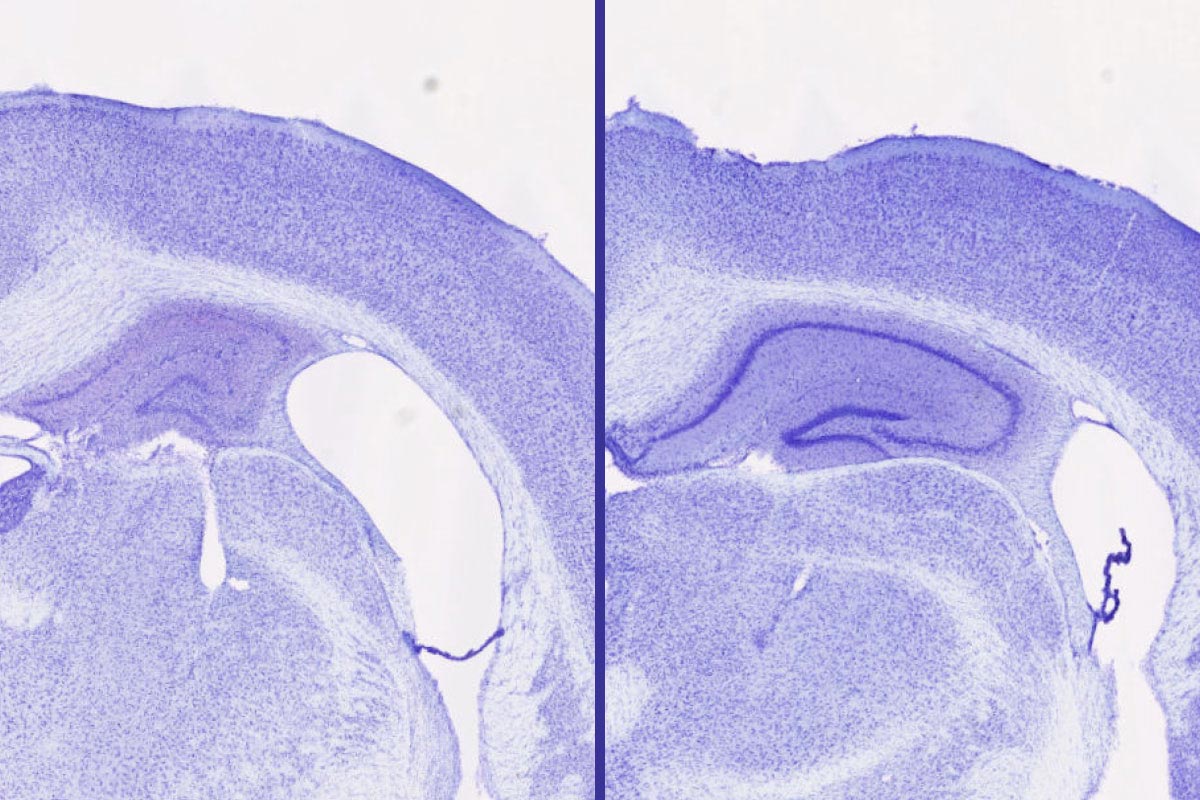
In mice genetically prone to harmful tau buildup, lemborexant reduced brain damage compared with control mice. For example, those receiving lemborexant showed 30% to 40% larger volume in the hippocampus — a part of the brain important for forming memories — compared with control mice and those receiving a different sleep drug, zolpidem, which belongs to a different class of drugs. Zolpidem increased sleep but had none of the protective effects against tau accumulation in the brain that were seen with lemborexant, suggesting that the type of sleep aid — orexin receptor antagonist — is key in producing the neuroprotective effects. The researchers also found that the beneficial effects were only seen in male mice, which they are still working to understand.
Normal tau is important in maintaining the structure and function of neurons. When healthy, it carries a small number of chemical tags called phosphate groups. But when tau picks up too many of these chemical tags, it can clump together, leading to inflammation and nerve cell death. The authors found that by blocking orexin receptors, lemborexant prevents excess tags from being added to tau, helping tau maintain its healthy roles in the brain.
Holtzman said his team is continuing to explore the reasons lemborexant treatment's neuroprotective effects were seen only in male mice. He speculated that the sex discrepancy could be due to the observation that female mice with the same genetic predisposition to tau accumulation developed less-severe neurodegeneration compared with male mice. With less damage to begin with, potential beneficial effects of the drug could have been smaller and more difficult to detect.
Reference: "Lemborexant ameliorates tau-mediated sleep loss and neurodegeneration in males in a mouse model of tauopathy" by Samira Parhizkar, Xin Bao, Wei Chen, Nicholas Rensing, Yun Chen, Michal Kipnis, Sihui Song, Grace Gent, Eric Tycksen, Melissa Manis, Choonghee Lee, Javier Remolina Serrano, Megan E. Bosch, Emily Franke, Carla M. Yuede, Eric C. Landsness, Michael Wong and David M. Holtzman, 27 May 2025, Nature Neuroscience.
DOI: 10.1038/s41593-025-01966-7
This work was supported by the National Institutes of Health (NIH), grant numbers P01NS074969, RF1NS090934 and RF1AG061776; the JPB Foundation; the Alzheimer's Association, grant number AARF-21-850865; the Rainwater Foundation, and a COBRAS Feldman Fellowship.
Holtzman is an inventor on a patent licensed by Washington University to C2N Diagnostics on the therapeutic use of anti-tau antibodies. Holtzman cofounded and is on the scientific advisory board of C2N Diagnostics.

News
Cutting Two Amino Acids Slowed Prostate Cancer in Mice
A newly identified link between amino acid metabolism and cholesterol production may help prostate tumors adapt to hormone therapy. Prostate cancer can find ways around treatments designed to deprive tumors of the hormones they [...]

Largest-Ever Physics Survey Raises New Doubts About Our Model of the Universe
Physicists around the world remain deeply divided on key mysteries of the universe, from dark matter to quantum gravity. The standard cosmological model failed to gain majority support, and no leading theory dominated the [...]

Scientists Just Overturned a 100-Year-Old Belief About Bacteria in the Lungs
New findings raise questions about the role of microbes living in the lungs. More than 35 trillion bacteria live throughout the human body, forming microbiomes in the gut, mouth, lungs, skin, and urogenital tract. [...]

GHCE Concept
From the preface of the book Global Health Care Equivalency in the Age of Nanotechnology, Nanomedicine and Artificial Intelligence, Edited by Frank Boehm: Since the publication of my first book (Nanomedical Device and Systems [...]

Novartis, Ionis drug failure spurs questions
Pelacarsen didn’t protect heart health despite lowering levels of a protein particle, “Lp(a),” in a large clinical trial — a result with important implications for cardiovascular drug research. Dive Brief: An RNA drug from [...]
New injectable treatment helps the brain rebuild after stroke
Biomedical engineers at Duke University have created an injectable biomaterial that may help the brain recover from damage left behind by an ischemic stroke. In experiments with mice, the material transformed the cavity created [...]

Scientists Discover a Hidden “Immune Organ” Inside the Skull
Researchers discovered lymph node-like immune hubs inside skull bone marrow that appear to act as rapid-response centers for the brain. For decades, the brain was thought to operate largely apart from the immune system. [...]

Engineered tRNAs and lipid nanoparticles target nonsense mutation cystic fibrosis
Researchers have developed a potential new approach for treating a form of cystic fibrosis caused by so-called nonsense mutations, combining chemically modified transfer RNAs with lipid nanoparticles designed to deliver the therapy directly to [...]
New pancreatic cancer drug carries a $39,800 monthly list price
A groundbreaking treatment for one of the most common forms of pancreatic cancer has been approved in pill form by the FDA. Revolution Medicines’ oral tablet daraxonrasib, branded as Rasonque, reduced the risk of [...]
Researchers Have Discovered a New Way To Reduce Chronic Nerve Pain
A cancer-linked protein called BRAF may help drive chronic nerve pain, and existing cancer drugs targeting it reduced pain sensitivity in preclinical models. Chronic nerve pain can persist long after an injury and often [...]

Our books now available worldwide!
Online Sellers other than Amazon, Routledge, and IOPP Indigo Global Health Care Equivalency in the Age of Nanotechnology, Nanomedicine and Artifcial Intelligence Global Health Care Equivalency In The Age Of Nanotechnology, Nanomedicine And Artificial [...]

Quantum-Enabled Regenerative Health: Reimagining Wellness, Precision Health and Longevity Medicine
Introduction Healthcare is approaching a frontier where the quantum portfolio could influence not only how disease is diagnosed and treated, but how health itself is measured, modeled, predicted and preserved. Quantum computing, quantum simulation, [...]

FDA Clears First-of-Its-Kind Nonmedication Treatment for PTSD
The FDA has cleared a system that uses brain activity data to personalize magnetic stimulation for PTSD, adding a new nonmedication treatment option. Every day in the United States, approximately 17.5 veterans die by suicide, [...]

FDA approves breakthrough drug to treat advanced pancreatic cancer
The Food and Drug Administration (FDA) approved on Wednesday a drug that could extend the survival of those with metastatic pancreatic cancer. The drug, called daraxonrasib, will be sold under the brand name Rasonque [...]

AI Decodes a Hidden DNA Signal Linked to Disease-Causing Mutations
Machine learning identifies the likely “initiator” and enables new predictions about DNA mutations that can cause disease. Every human cell depends on tens of thousands of genes being switched on at the right time [...]

Pope Leo Urges Global Response to Congo’s Deadliest Ebola Outbreak
Pope Leo called for international action to address the Ebola outbreak in the Democratic Republic of Congo. The epidemic has claimed over 2,500 lives and is the nation's largest recorded outbreak. The Pope emphasized [...]