Blocking a single protein boosts T cell metabolism and tumor-fighting strength. The discovery could lead to next-generation cancer immunotherapies.
Scientists have identified a strategy to greatly enhance the cancer-fighting abilities of the immune system's T cells. By inhibiting a protein known as Ant2, they succeeded in reshaping how these cells produce and use energy, effectively redesigning their internal power systems.
This adjustment makes T cells stronger, more durable, and more efficient at targeting tumors. The discovery opens new possibilities for therapies that reinforce the body's natural defenses, offering a more precise and effective form of cancer treatment.
International team leads breakthrough
A recent study suggests the potential for a new wave of cancer therapies that rely on training the immune system to perform more effectively. The work, led by PhD student Omri Yosef and Prof. Michael Berger at the Hebrew University Faculty of Medicine, brought together collaborators including Prof. Magdalena Huber of Philipps University of Marburg and Prof. Eyal Gottlieb of the University of Texas MD Anderson Cancer Center. Their findings show that carefully adjusting immune cell metabolism significantly boosts the cells' ability to destroy tumors.
Central to the research is a striking observation: when T cells—the immune system's front-line fighters—are compelled to change the way they generate and manage energy, they become far more adept at recognizing and eliminating cancer cells.
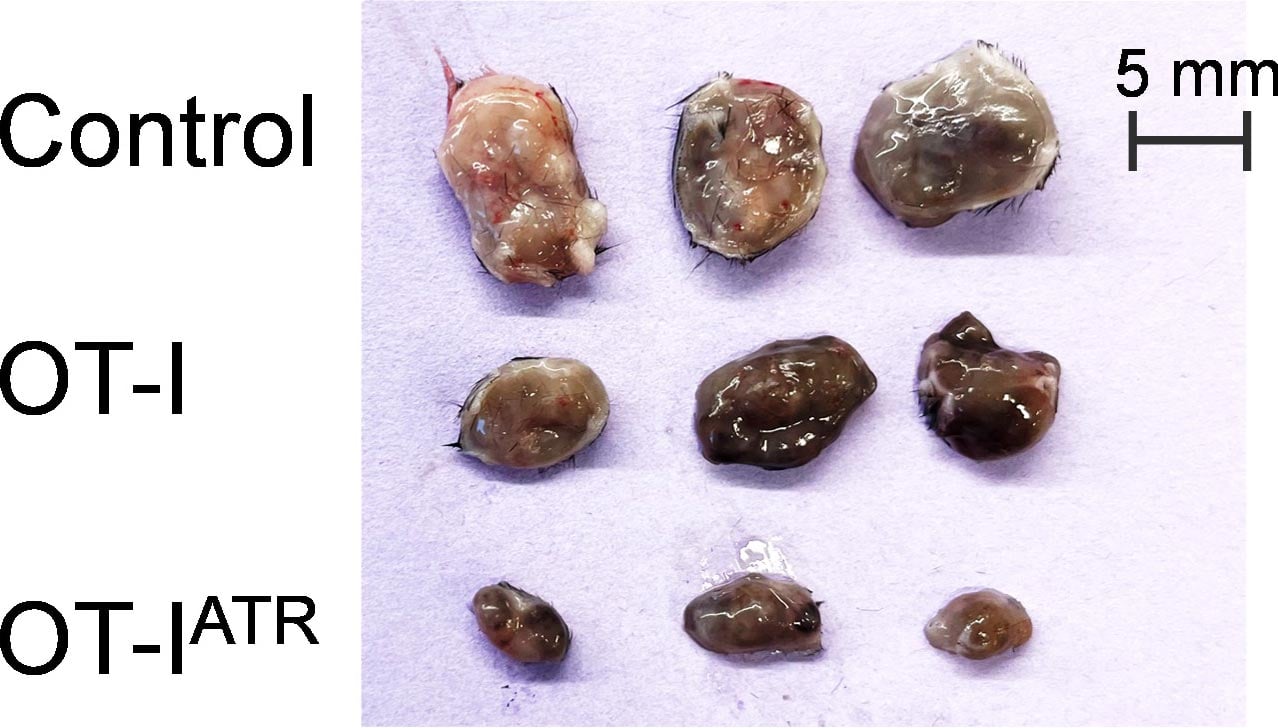
"By disabling Ant2, we triggered a complete shift in how T cells produce and use energy," explains Prof. Berger. "This reprogramming made them significantly better at recognizing and killing cancer cells." In simpler terms, blocking this protein forces the immune cells to adapt their metabolism, turning them into stronger, faster, and more aggressive cancer fighters.
Mitochondria as cellular engines
Published in Nature Communications, the study focuses on the mitochondria—the "metabolic hub" of cells. By deliberately disrupting a specific energy pathway inside T cells, the team essentially rewired the cells' engines, creating a state of heightened readiness and potency. The altered T cells exhibited greater stamina, faster replication, and sharper targeting of cancerous threats.
Perhaps most importantly, the researchers showed that this metabolic rewiring can be triggered not only through genetic modifications but also with drugs—opening the door for potential clinical applications.
This discovery is part of a growing movement in cancer immunotherapy that focuses not only on guiding the immune system but upgrading its inner machinery. While more studies and clinical trials are needed, the implications of this breakthrough are promising: new treatments that harness the body's own defenses, fine-tuned for peak performance.
"This work highlights how deeply interconnected metabolism and immunity truly are," says Prof. Berger. "By learning how to control the power source of our immune cells, we may be able to unlock therapies that are both more natural and more effective."
Reference: "Metabolic reprogramming driven by Ant2 deficiency augments T Cell function and anti-tumor immunity in mice" by Omri Yosef, Leonor Cohen-Daniel, Oded Shamriz, Zahala Bar-On, Wajeeh Salaymeh, Amijai Saragovi, Ifat Abramovich, Bella Agranovich, Veronika Lutz, Joseph Tam, Anna Permyakova, Eyal Gottlieb, Magdalena Huber and Michael Berger, 8 May 2025, Nature Communications.
DOI: 10.1038/s41467-025-59310-3

News

Researchers Discover What Reading for Pleasure May Be Doing to Your Brain
Reading for pleasure may offer surprising benefits for the brain, with research linking the habit to better mental health, stronger cognitive abilities, and a lower risk of dementia. Reading for pleasure may do far [...]
Scientists Discover a Hidden Trigger That Keeps Inflammation Alive
Inflammation persists after proteins detach from immune receptors, revealing a potential target for autoimmune treatments. Since a Nobel Prize-winning discovery in the 1990s identified molecules called Toll-like Receptors as the guardians of the human [...]
A Virus Gives Itself Away the Moment It Attacks
Researchers have found the trigger behind a powerful bacterial defense against viruses. Viruses that prey on bacteria could become an increasingly important tool for treating bacterial infections, particularly as antibiotic resistance makes some infections [...]
Scientists Discover Aspirin May Slash Dementia Risk by 70% – but Only for Certain People
Aspirin was linked to a sharply lower dementia risk in some older adults, and their genes may hold the clue. A Monash University analysis found that older adults with a particular genetic profile had [...]
Inflammation May Awaken Dormant Cancer Cells Years After Treatment
The body’s response to inflammation may disturb cancer cells that have been lying silent for years, giving them an opportunity to grow again. Researchers at the Francis Crick Institute have found that gut inflammation [...]

Where do nanoparticles go once they enter the body?
New international best practice guidance, co-written at ANSTO, sets out how to measure where nanoparticles like titanium dioxide end up in the body and how long they remain. The guidance has been shared by [...]
Long-Acting HIV Shots Could Solve a Major Treatment Challenge for Young People
A major African trial suggests that changing how HIV treatment is delivered could significantly improve viral suppression in adolescents. Young people with HIV were more likely to keep the virus suppressed when they received [...]

WHO Factsheets – The top 10 causes of death
In 2023, the 10 leading causes of death accounted for 33 million deaths, or 54% of the total 61 million deaths worldwide. The top global causes of death, in order of total number of lives lost, [...]
Aging Cells May Be Hiding From the Immune System – Scientists Think They Know How
Your immune system is supposed to clear out damaged cells. Researchers may have found how some of them hide and linger as the body ages. Researchers led by Cedars-Sinai Health Sciences University have identified [...]

Your Voice May Reveal How Fast Your Brain Is Aging
Researchers have developed a machine-learning “speech clock” that estimates age from subtle patterns in how people speak and what they say. It is possible that people’s voices may contain certain signals of aging that [...]
Optogenetics Pioneers Win 2026 Nobel Prize in Physiology or Medicine
The 2026 Nobel Prize in Physiology or Medicine has been awarded to Peter Hegemann, Georg Nagel, and Karl Deisseroth for the development of optogenetics, a revolutionary technology that uses light to control individual neurons [...]
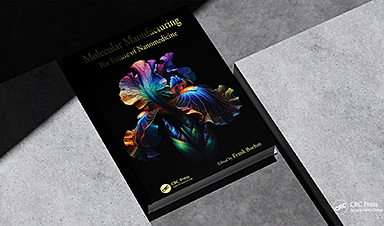
Molecular Manufacturing: The Future of Nanomedicine – From NanoappsMedical Inc.
This book explores the revolutionary potential of atomically precise manufacturing technologies to transform global healthcare, as well as practically every other sector across society. This forward-thinking volume examines how envisaged Factory@Home systems might enable the cost-effective [...]

What is ‘American Covid’ and how bad is it?
Cases of so-called ‘American Covid’ are on the rise in the UK. The strain is officially called XFG, or ‘Stratus’, and is the most common variant in North America, hence the name. It might soon [...]
Researcher at Russian plague laboratory dies of ‘unknown’ infection
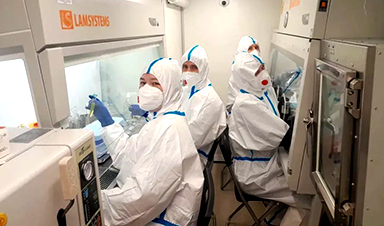
Russian authorities have imposed "anti-epidemic measures" after a laboratory worker at an institute in Siberia dedicated to studying the plague and other infectious diseases died of a mysterious illness. The researcher, a 28-year-old female [...]
GHCE Concept
From the preface of the book Global Health Care Equivalency in the Age of Nanotechnology, Nanomedicine and Artificial Intelligence, Edited by Frank Boehm: Since the publication of my first book (Nanomedical Device and Systems [...]
A Surprising Brain Signal Could Explain Why Eating Less Protein Extends Lifespan
A new paper suggests that limiting protein intake triggers a coordinated response throughout the body that may help explain how protein restriction affects healthy aging. Animals respond to protein restriction, or reduced protein in [...]