
PFDA, a PFAS "forever chemical," can cause craniofacial birth defects by disrupting retinoic acid regulation during fetal development, revealing the first clear molecular mechanism behind the link.
Researchers have long linked perfluoroalkyl and polyfluoroalkyl substances (PFAS), often called "forever chemicals," to serious birth defects.
However, scientists have struggled to explain exactly how these pollutants affect fetal development. A new study now offers the first detailed molecular explanation, revealing how a PFAS compound known as perfluorodecanoic acid (PFDA) can cause craniofacial abnormalities before birth.
The findings were published in ACS Chemical Research in Toxicology.
"Most people are exposed to small amounts of PFAS in everyday life, but higher exposure can occur through contaminated water, living near manufacturing sites, or certain jobs like firefighting and ski waxing, which is why it's so important to understand the chemicals better," said the paper's senior author, Jed Lampe, PhD, associate professor at University of Colorado Anschutz Skaggs School of Pharmacy and Pharmaceutical Sciences.
"We wanted to understand which PFAS compounds are truly harmful during fetal development, especially for people with higher exposure, and how they cause damage."
PFDA Identified as the Most Toxic PFAS
Around 15,000 PFAS compounds are used in consumer and industrial products, but growing evidence suggests only a portion of them present major health concerns. To identify the most harmful compounds, Lampe and colleagues Michaela Hvizdak and Sylvie Kandel examined 13 commonly detected PFAS. Their results showed that PFDA was the most toxic to craniofacial development in a fetus.
The researchers found evidence linking PFDA to significant facial abnormalities seen in both people and laboratory animals. Some estimates suggest the compound may increase the risk of these defects by about 10%, even at very low exposure levels.
"This finding moves us beyond association by providing a clear explanation for how PFDA can interfere with fetal development. It's a critical step toward understanding a vast and complex class of environmental chemicals," said Lampe.
How PFDA Disrupts Retinoic Acid Signaling
The team discovered that PFDA interferes with retinoic acid, a molecule that plays a vital role in forming the face and head during early pregnancy. Retinoic acid controls the activity of hundreds of genes, and maintaining the correct amount is essential. Because a fetus cannot produce or safely remove excess retinoic acid, it depends entirely on the mother to keep levels balanced.
Researchers found that PFDA blocks CYP26A1, an enzyme responsible for breaking down excess retinoic acid. When the enzyme is inhibited, retinoic acid can accumulate to harmful levels and disrupt normal facial development. PFDA also reduces the activity of genes that produce CYP26A1 through a separate biological mechanism, creating what researchers describe as a "double hit" to a system that is critical for early development.
"As a result, severe craniofacial abnormalities can develop, including underdeveloped eyes and abnormal jaw formation, which were the most common effects of PFDA exposure during fetal development," said Lampe.
Toward Better PFAS Risk Screening and Prevention
By uncovering the biological mechanism behind these developmental abnormalities, the researchers hope to help scientists create targeted laboratory tests and computer screening tools that can rapidly assess the risks posed by different PFAS compounds. Such tools could help regulators and manufacturers identify the most hazardous chemicals, distinguish them from safer alternatives, and support the development of less toxic products.
The team also believes the findings could lead to practical strategies for people with elevated PFAS exposure, including firefighters and ski wax technicians. Future research may explore ways to reduce exposure and determine whether lowering PFDA levels during pregnancy could help protect fetal development.
Reference: "New Mechanistic Evidence for Perfluorodecanoic Acid (PFDA) Teratogenicity via CYP26A1-Mediated Retinoic Acid Metabolism and Signaling" by Michaela Hvizdak, Sylvie E. Kandel and Jed N. Lampe, 30 March 2026, Chemical Research in Toxicology.
DOI: 10.1021/acs.chemrestox.5c00468

News – Curated by Amanda Scott, Alias Group Creative
Follow her on Bluesky

Researchers Discover What Reading for Pleasure May Be Doing to Your Brain
Reading for pleasure may offer surprising benefits for the brain, with research linking the habit to better mental health, stronger cognitive abilities, and a lower risk of dementia. Reading for pleasure may do far [...]
Scientists Discover a Hidden Trigger That Keeps Inflammation Alive
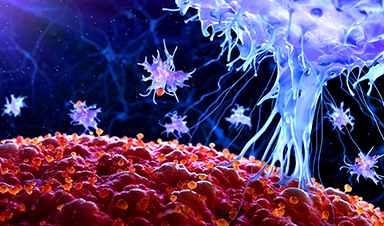
Inflammation persists after proteins detach from immune receptors, revealing a potential target for autoimmune treatments. Since a Nobel Prize-winning discovery in the 1990s identified molecules called Toll-like Receptors as the guardians of the human [...]
A Virus Gives Itself Away the Moment It Attacks
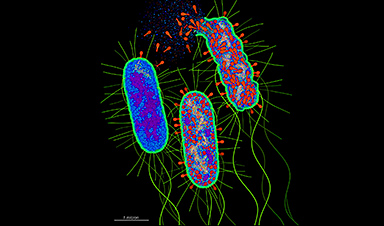
Researchers have found the trigger behind a powerful bacterial defense against viruses. Viruses that prey on bacteria could become an increasingly important tool for treating bacterial infections, particularly as antibiotic resistance makes some infections [...]

Scientists Discover Aspirin May Slash Dementia Risk by 70% – but Only for Certain People
Aspirin was linked to a sharply lower dementia risk in some older adults, and their genes may hold the clue. A Monash University analysis found that older adults with a particular genetic profile had [...]
Inflammation May Awaken Dormant Cancer Cells Years After Treatment
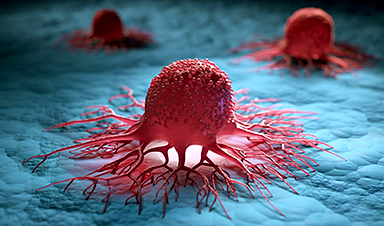
The body’s response to inflammation may disturb cancer cells that have been lying silent for years, giving them an opportunity to grow again. Researchers at the Francis Crick Institute have found that gut inflammation [...]

Where do nanoparticles go once they enter the body?
New international best practice guidance, co-written at ANSTO, sets out how to measure where nanoparticles like titanium dioxide end up in the body and how long they remain. The guidance has been shared by [...]

Long-Acting HIV Shots Could Solve a Major Treatment Challenge for Young People
A major African trial suggests that changing how HIV treatment is delivered could significantly improve viral suppression in adolescents. Young people with HIV were more likely to keep the virus suppressed when they received [...]

WHO Factsheets – The top 10 causes of death
In 2023, the 10 leading causes of death accounted for 33 million deaths, or 54% of the total 61 million deaths worldwide. The top global causes of death, in order of total number of lives lost, [...]
Aging Cells May Be Hiding From the Immune System – Scientists Think They Know How
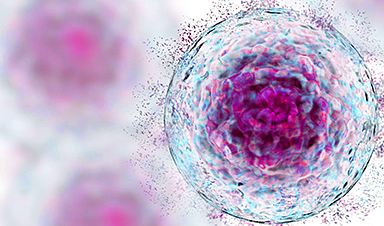
Your immune system is supposed to clear out damaged cells. Researchers may have found how some of them hide and linger as the body ages. Researchers led by Cedars-Sinai Health Sciences University have identified [...]

Your Voice May Reveal How Fast Your Brain Is Aging
Researchers have developed a machine-learning “speech clock” that estimates age from subtle patterns in how people speak and what they say. It is possible that people’s voices may contain certain signals of aging that [...]

Optogenetics Pioneers Win 2026 Nobel Prize in Physiology or Medicine
The 2026 Nobel Prize in Physiology or Medicine has been awarded to Peter Hegemann, Georg Nagel, and Karl Deisseroth for the development of optogenetics, a revolutionary technology that uses light to control individual neurons [...]

Molecular Manufacturing: The Future of Nanomedicine – From NanoappsMedical Inc.
This book explores the revolutionary potential of atomically precise manufacturing technologies to transform global healthcare, as well as practically every other sector across society. This forward-thinking volume examines how envisaged Factory@Home systems might enable the cost-effective [...]

What is ‘American Covid’ and how bad is it?
Cases of so-called ‘American Covid’ are on the rise in the UK. The strain is officially called XFG, or ‘Stratus’, and is the most common variant in North America, hence the name. It might soon [...]
Researcher at Russian plague laboratory dies of ‘unknown’ infection
Russian authorities have imposed "anti-epidemic measures" after a laboratory worker at an institute in Siberia dedicated to studying the plague and other infectious diseases died of a mysterious illness. The researcher, a 28-year-old female [...]

GHCE Concept
From the preface of the book Global Health Care Equivalency in the Age of Nanotechnology, Nanomedicine and Artificial Intelligence, Edited by Frank Boehm: Since the publication of my first book (Nanomedical Device and Systems [...]

A Surprising Brain Signal Could Explain Why Eating Less Protein Extends Lifespan
A new paper suggests that limiting protein intake triggers a coordinated response throughout the body that may help explain how protein restriction affects healthy aging. Animals respond to protein restriction, or reduced protein in [...]