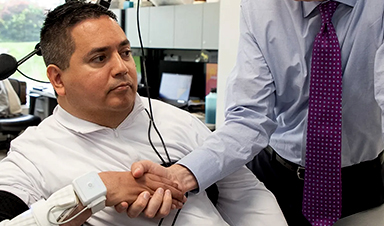
Aneuroprosthetic system has allowed a man with paralysis to grasp and lift objects and feel touch again. The device helped 42-year-old Keith Thomas of Massapequa, New York, who was paralyzed from the chest down after a diving accident in 2020. After the accident, he couldn’t lift his hands to his face and had no sensation in his hands or wrists. But the innovation, called a “double neural bypass” system, improved his movement. In a study published in Nature Medicine, researchers found that some of Thomas’s improvements lasted for months after the system was turned off, raising hopes the device could help paralyzed patients in the long term.1
Millions of Paralysis Patients Want to Feel Sensation Again
There are roughly 15 million people worldwide living with spinal cord injury, and this patient group often ranks restoration of hand movement as a priority, above bowel and sexual function and the ability to walk.
“This research holds promise for millions of patients, opening up potential for future research and practical clinical applications that could help hundreds of thousands of people living with paralysis,” said Chad Bouton, a bioelectronic medicine researcher at Northwell Health and coauthor of the study, in a statement.
The double neural bypass system uses a brain-computer interface device. This consists of five microelectrode arrays, which can read brain activity and deliver electrical stimulation, implanted into Thomas’s brain.
The researchers combined these arrays with electrical stimulation of the spinal cord through wearable stimulation patches placed on Thomas’s skin. The aim: to boost a natural process called neuroplasticity, which governs how well the brain and nervous system can form new connections.
The team recorded Thomas’s brain signals when he imagined the sensation of touch, and then “played” those signals to his muscles through the patches on his skin and directly onto the sensory areas of his brain.
The system incorporated a neural network computational model to decode Thomas’s brain signals. The system proved highly accurate over the study period, identifying Thomas’s intended hand movements for months without retraining on his brain data.
Strength and Dexterity Restored

With his brain-computer interface, Keith Thomas now has the dexterity to perform delicate movements like grasping and lifting empty eggshells without breaking them.
Feinstein Institutes for Medical Research
Thomas used the device for 35 weeks, during which his right arm strength increased 86 percent, and his left arm strength increased 62 percent. By the end of the study, he could wipe his nose or scratch his mouth while using the device. The system gave Thomas excellent dexterity. He could lift hollow eggshells without breaking them 87 percent of the time.
At around the six-month timepoint, Thomas regained the ability to feel touch in his right wrist. This was the first time he had felt sensation in his arms since his injury. Importantly and remarkably, some of these improvements persisted outside of the study sessions, when the device was switched off. “Remarkably, in a recent follow-up, it was found these gains were still present after more than two years. This is incredibly encouraging,” said Bouton.
“Being able to feel my sister’s hand, to pet my dog and feel her fur—these experiences that the injury took away have been restored,” said Thomas. “But beyond the study sessions, I can now scratch my face, wipe my eyes independently. The technology has given me back both connection and sense of self.”

News – Curated by Amanda Scott, Alias Group Creative
Follow her on Bluesky
A Common Sugar May Loosen Cancer Cells and Help Them Spread
Chemotherapy may kill most ovarian cancer cells, but the few that survive can turn dangerously active. By releasing fructose, they may help nearby tumor cells break free and spread. Researchers at The Wistar Institute [...]
COVID-19 can wake up dormant viruses in the body, large study confirms
Virus reactivations by SARS-CoV-2 could worsen initial symptoms and increase risk of Long Covid. Early in the COVID-19 pandemic, scientists noticed that a SARS-CoV-2 infection can “wake up” other, dormant viruses already present in [...]
Scientists Discover the Brain May Enter a New Biological Phase Between 50 and 75
A single-cell study reveals major changes in immune cells, genome organization, and gene regulation within the aging human hippocampus, offering important insights into brain aging and dementias associated with age. Between roughly ages 50 [...]
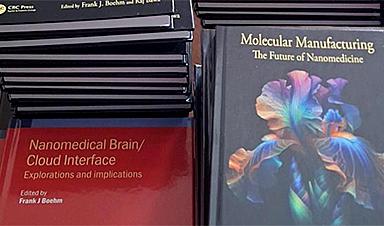
Our books now available worldwide!
Online Sellers other than Amazon, Routledge, and IOPP Indigo Global Health Care Equivalency in the Age of Nanotechnology, Nanomedicine and Artifcial Intelligence Global Health Care Equivalency In The Age Of Nanotechnology, Nanomedicine And Artificial [...]
Unzipping the Code of Life: Scientists Pinpoint Where DNA First Opens
Researchers mapped where DNA first opens and how a helicase gate may release one strand as genome copying begins. Before a cell can divide, it must open its tightly wound DNA and begin copying the entire [...]
Scientists Tested an 8-Hour Eating Window and Found a Surprising Brain Benefit
Limiting the daily eating window may provide brain benefits beyond those associated with weight loss. Eating within a shorter daily window may provide cognitive benefits beyond those associated with weight loss alone, according to [...]
Focused Ultrasound Opens Blood-Brain Barrier to Treat Brain Cancer
Summary: A new study demonstrates that primary brain tumors (gliomas) are particularly receptive to targeted drug delivery using focused ultrasound (FUS) combined with microbubbles. The team developed a high-resolution MRI protocol to track blood-brain barrier [...]
AI’s promise and practical limits in drug discovery
AI tools are becoming increasingly common in early drug discovery, allowing scientists to analyse data and navigate large volumes of research. However, according to Dr Raminderpal Singh, turning that potential into consistent scientific workflows [...]
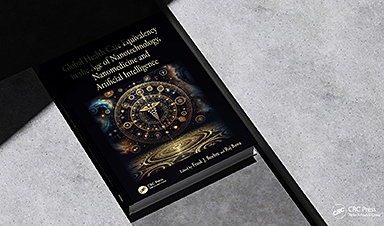
GHCE Concept
From the preface of the book Global Health Care Equivalency in the Age of Nanotechnology, Nanomedicine and Artificial Intelligence, Edited by Frank Boehm: Since the publication of my first book (Nanomedical Device and Systems [...]
Healthcare Headlines: Challenges and Advances in 2026
Health-related updates reveal financial adjustments by Universal Health Services due to Medicaid reimbursement uncertainties, significant pollution-linked health concerns from French-British oil firm Perenco in Congo, drug trial setbacks, potential restructuring at major medical firms, [...]
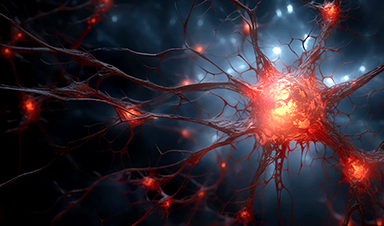
Scientists Discover the Brain Protein That Helps Alzheimer’s Spread Through the Brain
Scientists have identified a brain protein that may help Alzheimer’s spread, revealing a potential new target for slowing the disease’s progression. Alzheimer’s disease is closely linked to the accumulation of a toxic form of the protein [...]
How Immune Dysregulation Contributes to Psychiatric Disorders
Introduction Growing evidence suggests that disruptions in immune function may play an important role in the development and progression of psychiatric disorders. However, immune mechanisms probably contribute more strongly in some patients than others, [...]
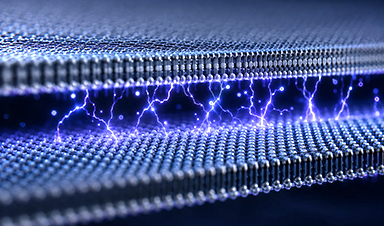
Electrostatic Discharge Boosts Triboelectric Nanogenerator Current and Enables DC Output
Controlled electrical discharges could enable triboelectric nanogenerators to achieve higher peak currents, extending nano-enabled energy harvesting into chemical processing and self-powered sensing. Paper: Electrostatic discharge as a breakthrough strategy for triboelectric nanogenerators. A new review [...]
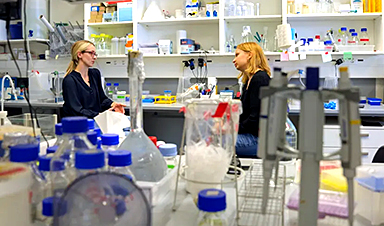
Swiss laboratory uses old drugs against rare diseases
Researchers at the University of Geneva are combing through collections of approved drugs to find new therapies for rare diseases – with some success. This approach is gaining traction around the world, while pharmaceutical [...]
Nanozyme Aptasensors Show Promise for Faster Food, Health, and Environmental Testing
By pairing robust artificial enzymes with highly selective aptamers, nanozyme aptasensors could help detect disease biomarkers, pathogens, and contaminants faster, but the review shows that real-world deployment still depends on overcoming matrix interference, biofouling, [...]
Paralyzed Man Feels Sensation Again With Brain Stimulation Device
Aneuroprosthetic system has allowed a man with paralysis to grasp and lift objects and feel touch again. The device helped 42-year-old Keith Thomas of Massapequa, New York, who was paralyzed from the chest down [...]