Cells are not isolated units; they continuously exchange proteins, genetic material, and even entire organelles with their neighbors. Intercellular transfer influences how tissues develop, respond to stress, and repair damage. In certain cancers, for example, tumor cells can acquire mitochondria from nearby cells to sustain growth; similar exchanges are also linked to aging processes. However, despite massive advances in gene-editing and molecular-targeting technologies, we still lack the tools to directly and reliably manipulate the cytoplasmic composition of living cells.
Many attempts have been made towards this end over the past decades, but challenges arise at multiple stages. Extracting cytoplasmic material often relies on cell lysis using detergents or enzymes, which destroy the cells. Ultrasound and other sophisticated physical disruption methods need to be carefully tuned to avoid damaging biomolecules, rendering them too time-consuming.
Delivering material into cells presents further challenges. Lipid-based carriers are limited to small molecules, viral vectors are costly, and microinjection techniques are difficult to scale. To date, no approach allows for controlled and efficient cytoplasmic transfer without compromising cell viability.
A nanotube-based injector concept
Against this backdrop, a research team led by Professor Takeo Miyake of Waseda University set out to develop a system that overcomes existing limitations. Their latest study, published in Small Science on March 17, 2026, reports a nanotube membrane-based injector—a platform that combines nanomaterials and fluid physics to directly transfer cytoplasmic contents between cell populations.
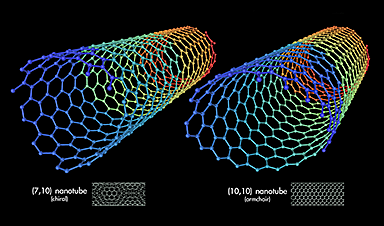
The system consists of a thin gold membrane with vertically aligned nanotubes mounted on a glass tube. When this membrane is carefully pressed against cultured cells, the nanotubes penetrate the phospholipid bilayer of the living cells without causing significant damage. By adjusting the internal air pressure of the glass tube, the researchers can “suck up” cytoplasmic material from the source cells, hold it as the tube is repositioned over the target cell culture, and gently flush it into this new population using microliters of a buffer solution.
Through several experiments using fluorescent dyes and protein assays, the researchers confirmed that cytoplasmic contents could be extracted in a pressure-dependent manner. They also found that careful selection of nanotube diameter, nanotube density, and applied pressure was key to minimizing cellular damage. Notably, under optimized conditions, cell viability hovered around 95%, with a cytoplasmic transfer efficiency of well over 90%.
Moving whole mitochondria between cells
To further test the capabilities of their platform, the team investigated whether it could transfer intact mitochondria. To this end, they labeled mitochondria in donor cells with a fluorescent tag and observed them in the recipient cells via confocal microscopy. They found that dozens of mitochondria could be reliably delivered per cell. Most importantly, these mitochondria remained functional, as evidenced by markedly higher levels of adenosine triphosphate (ATP) produced in recipient cells compared to controls.
“This technology establishes a new paradigm for cell manipulation—transforming cells not by genetic modification but by reconstructing intracellular composition itself,” says Prof. Miyake.
Potential uses in therapy and research
Such controlled cytoplasmic engineering, enabled by the proposed nanotube injector, could support the development of next-generation cell therapies, improved disease models, and more precise drug screening platforms. “Directly transferring healthy mitochondria or cytoplasmic components into target cells is particularly relevant for regenerative medicine, where therapeutic cells often suffer from reduced metabolic activity or functional heterogeneity after isolation and expansion,” highlights Prof. Miyake, “By restoring or augmenting mitochondrial function without genetic modification, the technology offers a new strategy to improve cell quality prior to transplantation.”
Overall, this innovative system paves the way for a new level of control in cell biology research, as well as bioengineering and biomedical applications.
More information
Bingfu Liu et al, A Nanotube Injector for Cytoplasmic Transfer and Enhanced Mitochondrial Function, Small Science (2026). DOI: 10.1002/smsc.202500598

News – Curated by Amanda Scott, Alias Group Creative
Follow her on Bluesky
Nanotube injector transfers cytoplasmic contents and organelles between living cells safely
Cells are not isolated units; they continuously exchange proteins, genetic material, and even entire organelles with their neighbors. Intercellular transfer influences how tissues develop, respond to stress, and repair damage. In certain cancers, for [...]
CEO of America’s largest public hospital system is ready to replace radiologists with AI
The chief executive of America’s largest public hospital system says he is prepared to start replacing radiologists with artificial intelligence in some circumstances, once the regulatory landscape catches up. Mitchell H. Katz, MD, president [...]
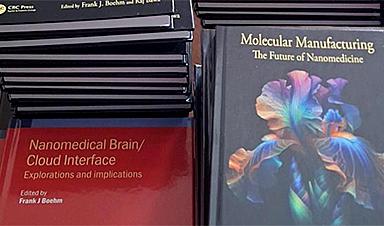
Our books now available worldwide!
Online Sellers other than Amazon, Routledge, and IOPP Indigo Global Health Care Equivalency in the Age of Nanotechnology, Nanomedicine and Artifcial Intelligence Global Health Care Equivalency In The Age Of Nanotechnology, Nanomedicine And Artificial [...]

Study finds higher heart disease risk in long COVID patients
People with long COVID are at increased risk of developing cardiovascular disease, according to a new study from Karolinska Institutet published in eClinicalMedicine. The results show that the risk of conditions such as cardiac arrhythmias [...]
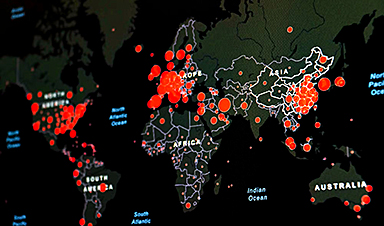
The Corona variant Cicada is here – we know that
Online and on social media, reports are piling up about a new Sars-Cov-2 variant that is currently on the rise: BA.3.2, also known as Cicada. That's what it's all about: The Omicron variant BA.3.2, [...]
A Simple Blood Test Could Predict Dementia Risk 25 Years Early
A single blood marker may quietly signal dementia risk decades in advance. Scientists at the University of California, San Diego, have identified a blood signal that could forecast dementia risk decades before symptoms begin. Their [...]
Sperm Get Lost in Space and Scientists Finally Know Why
Having a baby in space may be far more complicated than expected, as new research shows sperm struggle to find their way in microgravity. Starting a family beyond Earth could be more complicated than [...]
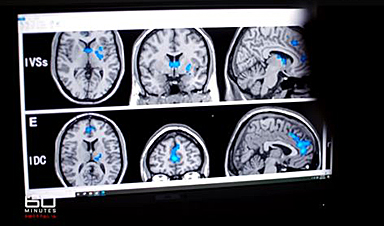
Digital Dementia – Brain fog and disassociation from being chronically online
New medical evidence, featured on 60 Minutes Australia, indicates excessive screen time is causing "digital dementia" in young Australians, with brain scans showing physical shrinkage and damage. Experts warn that high device usage (6-8 hours [...]
A new, highly mutated COVID variant called ‘Cicada’ is spreading in the US.
BA.3.2, a heavily mutated new COVID-19 variant which may be better able to escape immunity from vaccines or prior infection, is now spreading in the United States. Although COVID cases are currently low nationally, [...]
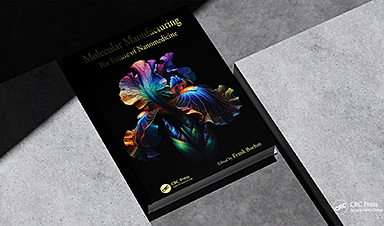
Molecular Manufacturing: The Future of Nanomedicine – New book from NanoappsMedical Inc.
This book explores the revolutionary potential of atomically precise manufacturing technologies to transform global healthcare, as well as practically every other sector across society. This forward-thinking volume examines how envisaged Factory@Home systems might enable the cost-effective [...]

Ancient bacteria strain discovered in ice cave is resistant to some modern antibiotics
In the depths of Scarisoara cave in Romania sits one of the world’s biggest underground glaciers, a monumental slab of ice the size of roughly 40 Olympic swimming pools that began to form around [...]

Scientists Identify “Good” Bacteria That May Prevent Long COVID
According to the WHO, about 6% of people worldwide who get COVID-19, roughly 400 million people, later develop a long-lasting form of the illness. That shows the condition remains a significant public health challenge. In [...]
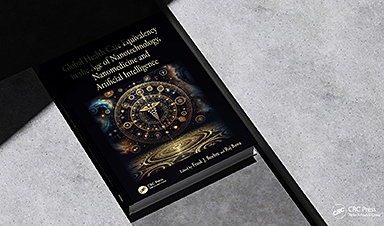
New book from Nanoappsmedical Inc. – Global Health Care Equivalency
A new book by Frank Boehm, NanoappsMedical Inc. Founder. This groundbreaking volume explores the vision of a Global Health Care Equivalency (GHCE) system powered by artificial intelligence and quantum computing technologies, operating on secure [...]
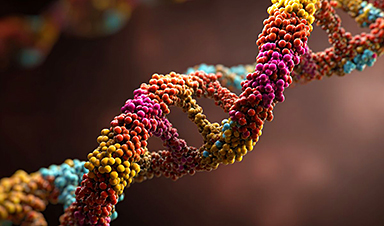
RNA Recycling Extends Lifespan
Summary: Researchers discovered a biological “trash disposal” mechanism that directly controls how fast we age. While circular RNA has long been known to accumulate in cells as we get older, this study proves for the [...]
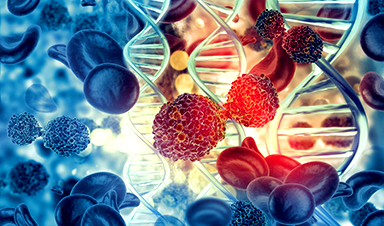
Cancer’s Deadly Paradox: How Tumors Break Their Own DNA To Keep Growing
Cancer’s strongest gene switches push DNA into damaging overdrive, creating repeated breaks and repairs that may fuel tumor evolution while exposing possible therapeutic weak spots. A new study indicates that cancer can harm its own genetic [...]
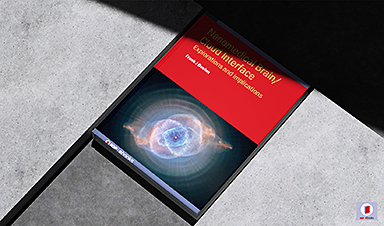
NanoMedical Brain/Cloud Interface – Explorations and Implications. A new book from Frank Boehm
New book from Frank Boehm, NanoappsMedical Inc Founder: This book explores the future hypothetical possibility that the cerebral cortex of the human brain might be seamlessly, safely, and securely connected with the Cloud via [...]