The CIC biomaGUNE Center for Cooperative Research in Biomaterials has developed pulmonary surfactant nanoparticles (the blend of lipids and proteins that line the alveoli and enables breathing), which are encapsulated in a drug used to treat pulmonary fibrosis. The researchers show that these nanoparticles are highly capable of remaining trapped in the diseased tissue after being administered via the pulmonary pathway. This allows the doses of antifibrotic medication to be cut, and thus reduces the potential side effects associated with conventional therapies. Tests carried out on mice displayed a therapeutic effect on pulmonary fibrosis.
The study, published in Advanced Healthcare Materials by the Molecular and Functional Biomarkers group at CIC biomaGUNE, presents a simple, automated, and reproducible synthesis method that ensures effective drug encapsulation, appropriate distribution by particle size, and high stability by means of microfluidics, a technique that allows fluids to be managed at microscopic scale with great precision.
Pulmonary fibrosis is a relatively common chronic disease in which lung tissue forms scars in an uncontrolled, progressive way. The most common risk factors include smoking, occupational exposure to dust and chemicals, exposure to drugs such as chemotherapy or radiotherapy, and viral diseases such as COVID-19. This thickened, stiff tissue prevents the lungs from functioning properly, thus making breathing progressively more difficult. Conventional treatment for pulmonary fibrosis (administered orally) frequently has adverse effects, so there is great interest in improving the treatment.
Although administering drugs via inhalation makes the targeted treatment of the lungs possible, their clinical efficacy is often limited by inflammation, uneven distribution, and physiological barriers. “To reduce the side effects caused by drugs used to treat pulmonary fibrosis, the best thing is to target the diseased tissue directly,” explained Dr. Susana Carregal, an Ikerbasque Research Fellow.
“Inhalation is a very direct way of delivering medicine to the lungs. However, as the lungs are designed to protect themselves against inhaled pathogens, the very mechanisms that help defend the body also make this type of administration through inhalation more complicated.”
The power of mimicry
Currently, to ensure that these types of therapies work effectively, there is extensive research that focuses on finding ways of evading the immune system, in other words, so that the lungs cannot recognize the drugs as pathogens or foreign substances, thereby allowing them to reach their target. In this respect, the research team led by Dr. Carregal has developed a biomimetic platform based on pulmonary surfactant nanoparticles “which preserves the native proteins and lipids of the surfactant and its biophysical functionality, thereby improving pulmonary delivery,” said Dr. Carregal, the lead researcher in the study.
“The lung is filled with pulmonary surfactant; this is the interface where the exchange between air and fluid takes place,” she explained. “Encapsulating drugs designed to treat lung diseases in pulmonary surfactant can improve distribution throughout the lung, due to its surface properties. In other words, using an endogenous material can help to ensure that, when administered by inhalation, the drug is distributed more effectively in the lung.”
The CIC biomaGUNE research team found that “90% of the administered nanomedicine is retained in the lungs in mouse models. Retention is very high, and this means that, with this treatment, the amount of drug reaching the liver is much lower than with conventional treatments, thereby reducing the side effects,” pointed out Carregal. It is important for a drug to act only where it should, in order to reduce the dose administered as well as the side effects.
The synthesis method developed at CIC biomaGUNE has the potential to drive forward the use of inhaled medicines. “The synthesis of these nanoparticles has been greatly simplified and can help standardize the product, as it produces materials or nanomedicines with a highly controlled size and direct encapsulation of the drug. It is a highly homogeneous and reproducible system. It opens up new avenues for developing inhaled treatments for lung diseases,” said Dr. Carregal.
Publication details
Laura Fernández‐Méndez et al, Pulmonary Surfactant Nanoparticles for Lung‐Targeted and Dose‐Efficient Delivery, Advanced Healthcare Materials (2026). DOI: 10.1002/adhm.202505871

News – Curated by Amanda Scott, Alias Group Creative
Follow her on Bluesky

Researchers Discover What Reading for Pleasure May Be Doing to Your Brain
Reading for pleasure may offer surprising benefits for the brain, with research linking the habit to better mental health, stronger cognitive abilities, and a lower risk of dementia. Reading for pleasure may do far [...]
Scientists Discover a Hidden Trigger That Keeps Inflammation Alive
Inflammation persists after proteins detach from immune receptors, revealing a potential target for autoimmune treatments. Since a Nobel Prize-winning discovery in the 1990s identified molecules called Toll-like Receptors as the guardians of the human [...]
A Virus Gives Itself Away the Moment It Attacks
Researchers have found the trigger behind a powerful bacterial defense against viruses. Viruses that prey on bacteria could become an increasingly important tool for treating bacterial infections, particularly as antibiotic resistance makes some infections [...]
Scientists Discover Aspirin May Slash Dementia Risk by 70% – but Only for Certain People
Aspirin was linked to a sharply lower dementia risk in some older adults, and their genes may hold the clue. A Monash University analysis found that older adults with a particular genetic profile had [...]
Inflammation May Awaken Dormant Cancer Cells Years After Treatment
The body’s response to inflammation may disturb cancer cells that have been lying silent for years, giving them an opportunity to grow again. Researchers at the Francis Crick Institute have found that gut inflammation [...]

Where do nanoparticles go once they enter the body?
New international best practice guidance, co-written at ANSTO, sets out how to measure where nanoparticles like titanium dioxide end up in the body and how long they remain. The guidance has been shared by [...]
Long-Acting HIV Shots Could Solve a Major Treatment Challenge for Young People
A major African trial suggests that changing how HIV treatment is delivered could significantly improve viral suppression in adolescents. Young people with HIV were more likely to keep the virus suppressed when they received [...]

WHO Factsheets – The top 10 causes of death
In 2023, the 10 leading causes of death accounted for 33 million deaths, or 54% of the total 61 million deaths worldwide. The top global causes of death, in order of total number of lives lost, [...]
Aging Cells May Be Hiding From the Immune System – Scientists Think They Know How
Your immune system is supposed to clear out damaged cells. Researchers may have found how some of them hide and linger as the body ages. Researchers led by Cedars-Sinai Health Sciences University have identified [...]

Your Voice May Reveal How Fast Your Brain Is Aging
Researchers have developed a machine-learning “speech clock” that estimates age from subtle patterns in how people speak and what they say. It is possible that people’s voices may contain certain signals of aging that [...]
Optogenetics Pioneers Win 2026 Nobel Prize in Physiology or Medicine
The 2026 Nobel Prize in Physiology or Medicine has been awarded to Peter Hegemann, Georg Nagel, and Karl Deisseroth for the development of optogenetics, a revolutionary technology that uses light to control individual neurons [...]
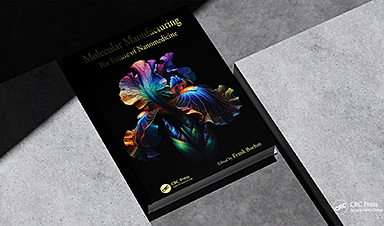
Molecular Manufacturing: The Future of Nanomedicine – From NanoappsMedical Inc.
This book explores the revolutionary potential of atomically precise manufacturing technologies to transform global healthcare, as well as practically every other sector across society. This forward-thinking volume examines how envisaged Factory@Home systems might enable the cost-effective [...]

What is ‘American Covid’ and how bad is it?
Cases of so-called ‘American Covid’ are on the rise in the UK. The strain is officially called XFG, or ‘Stratus’, and is the most common variant in North America, hence the name. It might soon [...]
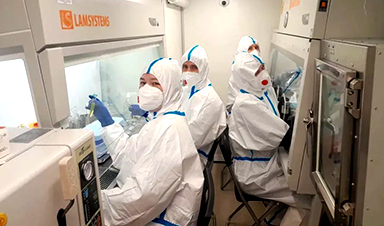
Researcher at Russian plague laboratory dies of ‘unknown’ infection
Russian authorities have imposed "anti-epidemic measures" after a laboratory worker at an institute in Siberia dedicated to studying the plague and other infectious diseases died of a mysterious illness. The researcher, a 28-year-old female [...]
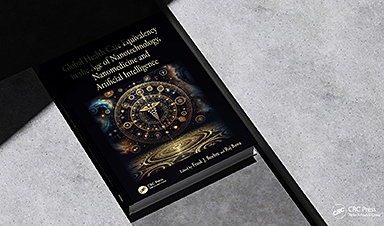
GHCE Concept
From the preface of the book Global Health Care Equivalency in the Age of Nanotechnology, Nanomedicine and Artificial Intelligence, Edited by Frank Boehm: Since the publication of my first book (Nanomedical Device and Systems [...]

A Surprising Brain Signal Could Explain Why Eating Less Protein Extends Lifespan
A new paper suggests that limiting protein intake triggers a coordinated response throughout the body that may help explain how protein restriction affects healthy aging. Animals respond to protein restriction, or reduced protein in [...]