Months after recovering from COVID-19, many people continue to feel unwell. They speak of exhaustion that doesn't fade, difficulty breathing, or an unsettling mental haze. What's becoming increasingly clear is that recovery from the virus doesn't always end when the infection clears. For countless survivors, Long COVID continues to affect both body and mind, often in ways that are deeply disruptive.
We got in touch with Dr Neetu Tiwari, MBBS, MD Psychiatry, Senior Resident, NIIMS Medical College & Hospital, Greater Noida, who told us more about the same.
What Is Long COVID?
Long COVID refers to symptoms that persist for weeks or even months after the acute phase of infection. According to the World Health Organization (WHO), these symptoms can include fatigue, muscle pain, memory lapses, and shortness of breath. But beyond the physical, the virus appears to leave behind a psychological footprint that can be just as debilitating.
Many people who once described themselves as mentally sharp now say they struggle to concentrate or recall simple details. This condition, commonly referred to as "brain fog," is one of the most reported cognitive symptoms. Others experience ongoing anxiety, irritability, or low mood, emotional states that may feel new or much stronger than before.
The Psychological Toll of Long COVID
For some, Long COVID has amplified pre-existing mental health conditions such as depression or anxiety. For others, it has triggered them for the first time. There's a growing understanding among psychiatrists that this prolonged stress response is partly biological and partly environmental.
On a biological level, inflammation and prolonged immune activity may alter brain chemistry. This can influence mood regulation, memory, and cognitive performance. On a social level, months of isolation, disrupted routines, job insecurity, and the fear of reinfection have taken their toll. The mind, much like the body, has been in survival mode for far too long.
Why Mental Health Support Is Crucial
One of the biggest challenges in addressing Long COVID is recognizing that recovery is not just physical. Many survivors find themselves dismissed or misunderstood because their symptoms are invisible. Yet, ignoring the psychological component can delay overall healing.
Integrated care, where physicians, psychiatrists, and psychologists work together — is crucial. Treatment may involve supportive psychotherapy, cognitive-behavioral therapy (CBT), mindfulness practices, and, in some cases, medication to manage anxiety, depression, or sleep disturbances. These interventions help patients cope with uncertainty while rebuilding emotional strength.
Reclaiming Mental Wellbeing After COVID
Recovery from Long COVID is not only about regaining physical stamina. It is also about rebuilding confidence, purpose, and connection. Experts emphasize that acknowledging distress is not a sign of weakness; it's a step toward healing. Even simple habits, maintaining a routine, light exercise, staying connected with friends, or practicing breathing techniques can gradually improve resilience.
Long COVID has taught the world a difficult but necessary lesson: mental health deserves the same urgency and attention as physical health. In the months and years ahead, true recovery will depend not only on medical advances but on compassion, for ourselves and for those still struggling to find their way back to normal life.

News
Scientists Discover a Hidden Trigger That Keeps Inflammation Alive
Inflammation persists after proteins detach from immune receptors, revealing a potential target for autoimmune treatments. Since a Nobel Prize-winning discovery in the 1990s identified molecules called Toll-like Receptors as the guardians of the human [...]
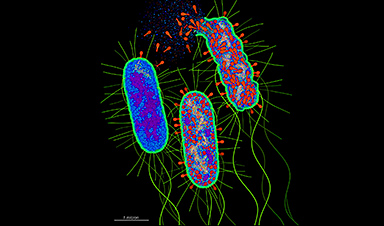
A Virus Gives Itself Away the Moment It Attacks
Researchers have found the trigger behind a powerful bacterial defense against viruses. Viruses that prey on bacteria could become an increasingly important tool for treating bacterial infections, particularly as antibiotic resistance makes some infections [...]
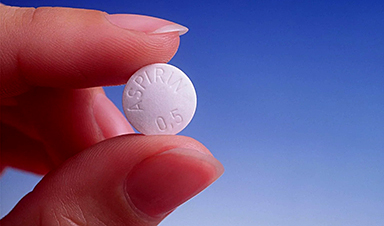
Scientists Discover Aspirin May Slash Dementia Risk by 70% – but Only for Certain People
Aspirin was linked to a sharply lower dementia risk in some older adults, and their genes may hold the clue. A Monash University analysis found that older adults with a particular genetic profile had [...]
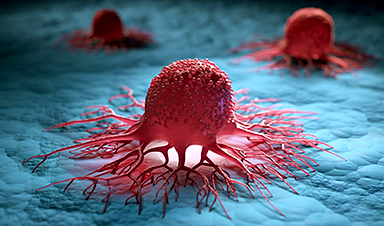
Inflammation May Awaken Dormant Cancer Cells Years After Treatment
The body’s response to inflammation may disturb cancer cells that have been lying silent for years, giving them an opportunity to grow again. Researchers at the Francis Crick Institute have found that gut inflammation [...]
Where do nanoparticles go once they enter the body?
New international best practice guidance, co-written at ANSTO, sets out how to measure where nanoparticles like titanium dioxide end up in the body and how long they remain. The guidance has been shared by [...]
Long-Acting HIV Shots Could Solve a Major Treatment Challenge for Young People
A major African trial suggests that changing how HIV treatment is delivered could significantly improve viral suppression in adolescents. Young people with HIV were more likely to keep the virus suppressed when they received [...]

WHO Factsheets – The top 10 causes of death
In 2023, the 10 leading causes of death accounted for 33 million deaths, or 54% of the total 61 million deaths worldwide. The top global causes of death, in order of total number of lives lost, [...]
Aging Cells May Be Hiding From the Immune System – Scientists Think They Know How
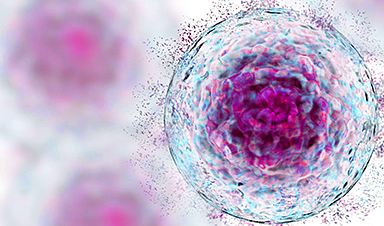
Your immune system is supposed to clear out damaged cells. Researchers may have found how some of them hide and linger as the body ages. Researchers led by Cedars-Sinai Health Sciences University have identified [...]
Your Voice May Reveal How Fast Your Brain Is Aging
Researchers have developed a machine-learning “speech clock” that estimates age from subtle patterns in how people speak and what they say. It is possible that people’s voices may contain certain signals of aging that [...]
Optogenetics Pioneers Win 2026 Nobel Prize in Physiology or Medicine
The 2026 Nobel Prize in Physiology or Medicine has been awarded to Peter Hegemann, Georg Nagel, and Karl Deisseroth for the development of optogenetics, a revolutionary technology that uses light to control individual neurons [...]
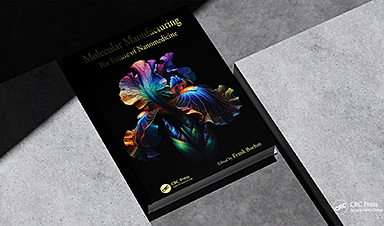
Molecular Manufacturing: The Future of Nanomedicine – From NanoappsMedical Inc.
This book explores the revolutionary potential of atomically precise manufacturing technologies to transform global healthcare, as well as practically every other sector across society. This forward-thinking volume examines how envisaged Factory@Home systems might enable the cost-effective [...]
What is ‘American Covid’ and how bad is it?
Cases of so-called ‘American Covid’ are on the rise in the UK. The strain is officially called XFG, or ‘Stratus’, and is the most common variant in North America, hence the name. It might soon [...]
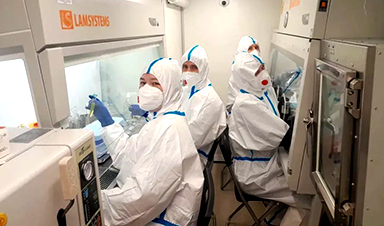
Researcher at Russian plague laboratory dies of ‘unknown’ infection
Russian authorities have imposed "anti-epidemic measures" after a laboratory worker at an institute in Siberia dedicated to studying the plague and other infectious diseases died of a mysterious illness. The researcher, a 28-year-old female [...]
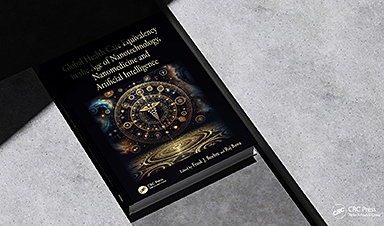
GHCE Concept
From the preface of the book Global Health Care Equivalency in the Age of Nanotechnology, Nanomedicine and Artificial Intelligence, Edited by Frank Boehm: Since the publication of my first book (Nanomedical Device and Systems [...]
A Surprising Brain Signal Could Explain Why Eating Less Protein Extends Lifespan
A new paper suggests that limiting protein intake triggers a coordinated response throughout the body that may help explain how protein restriction affects healthy aging. Animals respond to protein restriction, or reduced protein in [...]

Back and shoulder surgery is often worse than useless
Millions of operations should be scrapped SIX IN TEN Britons have surgery at some point. So do lots of Americans, at a cost of perhaps $500bn a year, a third of all spending on [...]