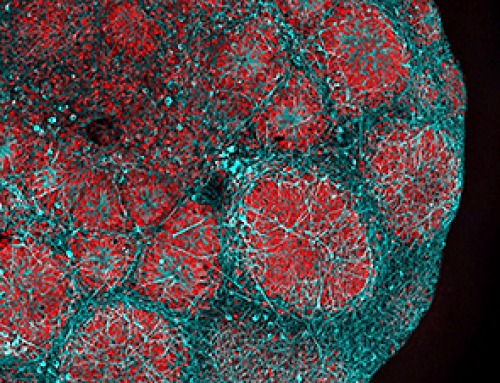
Often labeled a “natural Ozempic,” berberine is widely discussed as a metabolic aid. Yet research suggests its influence may lie deeper.
In recent years, berberine has gained significant attention as a supposed “natural way” to support metabolism. Discussions on social media frequently compare the compound with incretin drugs, and it is sometimes labeled “plant-based Ozempic.” These comparisons suggest that berberine works through a clear and predictable biological pathway.
However, a new scientific review indicates that this popular portrayal is overly simplistic. According to the authors, the available research does not support the idea that berberine acts through a straightforward mechanism or produces uniform metabolic effects.
Researchers from Wroclaw Medical University explain that berberine is an alkaloid that does not function like a hormone based medication and does not target a single receptor. Instead, its influence on metabolism appears indirect and broadly distributed, with outcomes that depend heavily on conditions inside the intestine.
Metabolism begins in the intestine
Experimental evidence most strongly supports berberine’s role in the gut, particularly in relation to intestinal microbes, inflammation, and the stability of the intestinal barrier. These processes appear to be where the compound has its most measurable biological effects.
“The best understood is the microbiotic level and its impact on the intestinal barrier and inflammatory processes,” says Anna Duda-Madej, MD, PhD. “Therefore, the gut-brain axis remains the most promising, but its clinical significance still requires a lot of research,” she adds.
In practical terms, this suggests that berberine does not directly regulate metabolism. Instead, it influences the biological environment in which metabolic processes take place.
Why are the effects so different?
One major conclusion of the review is that responses to berberine differ widely among individuals. The compound interacts closely with gut microbiota, and its effects depend heavily on the composition and activity of these microbial communities.
“Berberine does not act in a microbiological vacuum. Its effects are largely microbiota-dependent,” the researcher notes.
Because gut microbiota vary from person to person, the dominant effects of berberine can also differ. In some individuals, anti-inflammatory actions may be more prominent. In others, the compound may primarily support the intestinal barrier or influence metabolic pathways.
People who recently completed antibiotic treatment or who have disrupted gut microbiota may experience weaker or slower responses. This variability helps explain why berberine does not produce consistent results across all individuals.
Bioavailability as an element of biological logic
The review also addresses a commonly cited limitation of berberine: its low systemic bioavailability. When taken orally, only a small amount reaches the bloodstream.
However, the researchers suggest that this characteristic may actually support its biological activity in the intestine.
“Low bioavailability after oral administration means that berberine has an intense local effect in the intestine, where it is metabolized with the participation of the microbiota,” explains Dr. Duda-Madej.
During this local metabolism, microbes in the gut may transform berberine into biologically active compounds. These products can alter the intestinal environment, which may indirectly contribute to the metabolic effects observed in some studies.
Why the “universal supplement” is a myth
The review’s author strongly rejects the simplified way berberine is sometimes portrayed in media coverage.
“The term ‘universal metabolic supplement’ is completely inaccurate,” she emphasizes. “A more appropriate term would be: modulator of the gut-microbiota-immune system axis,” notes Dr. Duda-Madej.
She also highlights safety concerns that are often ignored in online discussions.
“According to information provided by the National Center for Complementary and Integrative Health, the use of berberine is primarily associated with adverse effects on the gastrointestinal tract, such as nausea, abdominal pain, bloating, constipation, and diarrhea. Importantly, berberine interacts with many drugs by inhibiting enzymes involved in their metabolism, including cyclosporine, metformin, antidiabetic drugs, anticoagulants, and sedatives. In addition, it can be dangerous during pregnancy and breastfeeding, as it can affect the fetus or infant, leading to bilirubin accumulation and the risk of brain damage. For this reason, berberine should be used with great caution and only under medical supervision,” the author emphasizes.
From a scientific perspective, berberine should not be viewed as a replacement for prescription medications or as a universal natural remedy. Instead, researchers see it as a useful tool for studying how closely human metabolism is tied to the gut and how strongly metabolic processes depend on interactions with the microbiota.
Reference: “Berberine in Bowel Health: Anti-Inflammatory and Gut Microbiota Modulatory Effects” by Anna Duda-Madej, Szymon Viscardi, Jakub Piotr Łabaz, Ewa Topola, Wiktoria Szewczyk and Przemysław Gagat, 12 December 2025, International Journal of Molecular Sciences.
DOI: 10.3390/ijms262412021

News – Curated by Amanda Scott, Alias Group Creative
Follow her on Bluesky
Is Berberine Really a “Natural Ozempic”?
Often labeled a “natural Ozempic,” berberine is widely discussed as a metabolic aid. Yet research suggests its influence may lie deeper. In recent years, berberine has gained significant attention as a supposed “natural way” [...]
Viagra Ingredient Shows Promise for Rare Childhood Brain Disease in Surprising Study
A rare childhood disease with no approved treatment may have an unexpected new therapeutic candidate. Sildenafil, the active ingredient also sold under the brand name Viagra, may help reduce symptoms in people with Leigh [...]

In a first for China, Neuracle’s implantable brain-computer interface wins approval
In a landmark development, Neuracle Medical Technology has secured the country’s first-ever approval for an implantable brain-computer interface (BCI) system designed to restore hand motor function in patients with spinal cord injuries, in a [...]

A Cambridge Lab Mistake Reveals a Powerful New Way to Modify Drug Molecules
A surprising lab discovery reveals a light-powered way to tweak complex drugs faster, cleaner, and later in development. Researchers at the University of Cambridge have created a new technique for altering complex drug molecules [...]
New book from NanoappsMedical Inc – Molecular Manufacturing: The Future of Nanomedicine
This book explores the revolutionary potential of atomically precise manufacturing technologies to transform global healthcare, as well as practically every other sector across society. This forward-thinking volume examines how envisaged Factory@Home systems might enable the cost-effective [...]

Scientists Discover Simple Saliva Test That Reveals Hidden Diabetes Risk
Researchers have identified a potential new way to assess metabolic health using saliva instead of blood. High insulin levels in the blood, known as hyperinsulinemia, can reveal metabolic problems long before obvious symptoms appear. It is [...]

One Nasal Spray Could Protect Against COVID, Flu, Pneumonia, and More
A single nasal spray vaccine may one day protect against viruses, pneumonia, and even allergies. For decades, scientists have dreamed of creating a universal vaccine capable of protecting against many different pathogens. The idea [...]
New AI Model Predicts Cancer Spread With Incredible Accuracy
Scientists have developed an AI system that analyzes complex gene-expression signatures to estimate the likelihood that a tumor will spread. Why do some tumors spread throughout the body while others remain confined to their [...]

Scientists Discover DNA “Flips” That Supercharge Evolution
In Lake Malawi, hundreds of species of cichlid fish have evolved with astonishing speed, offering scientists a rare opportunity to study how biodiversity arises. Researchers have identified segments of “flipped” DNA that may allow fish to adapt rapidly [...]
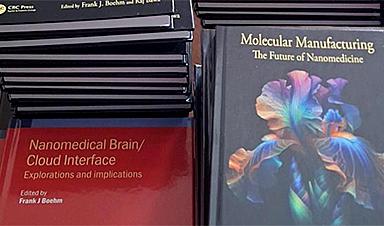
Our books now available worldwide!
Online Sellers other than Amazon, Routledge, and IOPP Indigo Global Health Care Equivalency in the Age of Nanotechnology, Nanomedicine and Artifcial Intelligence Global Health Care Equivalency In The Age Of Nanotechnology, Nanomedicine And Artificial [...]

Scientists Discover Why Some COVID Survivors Still Can’t Taste Food Years Later
A new study provides the first direct biological evidence explaining why some people continue to experience taste loss long after recovering from COVID-19. Researchers have uncovered specific biological changes in taste buds that could help [...]

Catching COVID significantly raises the risk of developing kidney disease, researchers find
Catching Covid significantly raises the risk of developing deadly kidney disease, research has shown. The virus was found to increase the chances that patients will develop the incurable condition by around 50 per cent. [...]
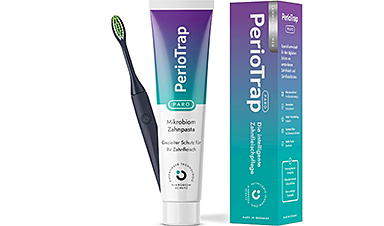
New Toothpaste Stops Gum Disease Without Harming Healthy Bacteria
Researchers have developed a targeted approach to combat periodontitis without disrupting the natural balance of the oral microbiome. The innovation could reshape how gum disease is treated while preserving beneficial bacteria. The human mouth [...]

Plastic Without End: Are We Polluting the Planet for Eternity?
The Kunming Montreal Global Biodiversity Framework calls for the elimination of plastic pollution by 2030. If that goal has been clearly set, why have meaningful measures that create real change still not been implemented? [...]
Scientists Rewire Natural Killer Cells To Attack Cancer Faster and Harder
Researchers tested new CAR designs in NK-92 cells and found the modified cells killed tumor cells more effectively, showing stronger anti-cancer activity. Researchers at the Ribeirão Preto Blood Center and the Center for Cell-Based [...]
New “Cellular” Target Could Transform How We Treat Alzheimer’s Disease
A new study from researchers highlights an unexpected player in Alzheimer’s disease: aging astrocytes. Senescent astrocytes have been identified as a major contributor to Alzheimer’s progression. The cells lose protective functions and fuel inflammation, particularly in [...]