China’s BCI start-ups, seen as potential rivals to Elon Musk’s Neuralink, are gaining momentum as regulatory support and fresh capital fuel growth.
Shares of BCI companies rose on mainland Chinese exchanges on Friday, with Shenzhen-listed Inkon Life Technology surging more than 10 per cent.
The approval awarded to Neuracle, a private firm founded in 2011, marked the first time globally that an invasive BCI could be sold and used on patients as a commercial product, according to China’s National Medical Products Administration.
The company’s founder, Xu Honglai, earned a PhD in biomedical engineering from Tsinghua University.
Last month, Neuracle, which develops and sells scientific research equipment, launched its listing process on the Star Market of the Shanghai Stock Exchange by signing an initial public offering tutoring agreement with Citic Securities.
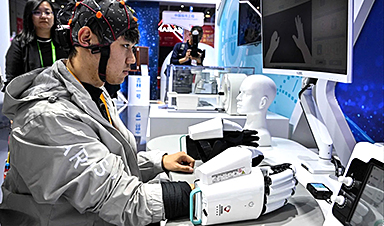
The newly approved implantable BCI hand motor function system was described by the company as a coin-sized wireless device placed on the brain’s outer surface without penetrating tissue, designed to read patients’ neural signals and translate them into hand movements.
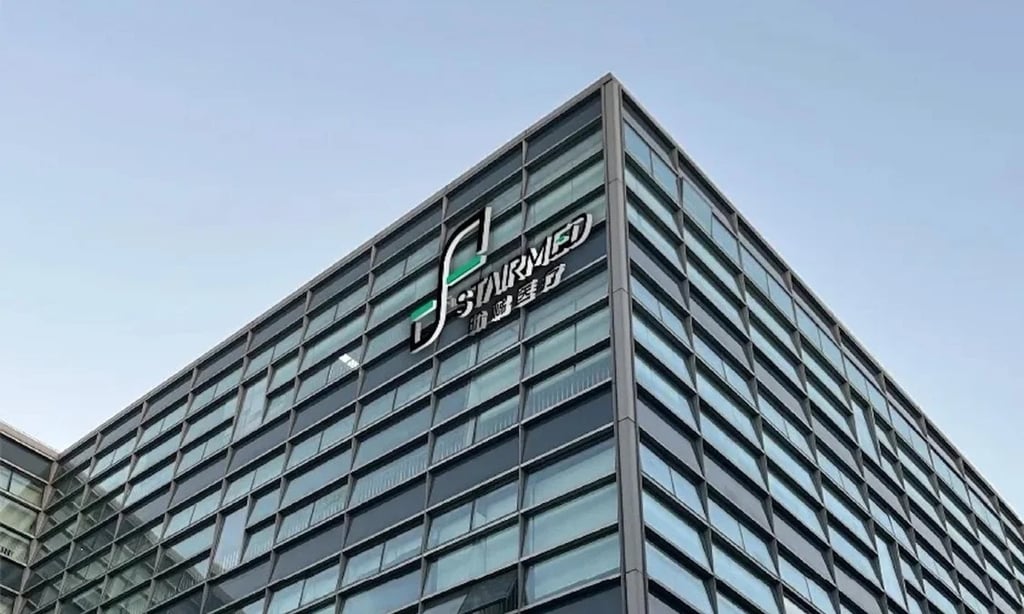
StairMed said it was the first company in the implantable BCI field to receive investments from both Alibaba, which owns the South China Morning Post, and Tencent Holdings.
Alibaba and Tencent “have deep strengths in multimodal large models, computing infrastructure, smart hardware and ecosystem deployment, which can be deeply integrated with StairMed’s globally leading brain-computer interface hardware and clinical translation experience”, founder Li Xue said in a statement.
The start-up, founded in 2021 by Li and fellow scientist Zhao Zhengtuo, develops tiny brain implants capable of reading and transmitting neural signals at high speed, as well as ultra-thin flexible electrodes and the robotic tools required to insert them. Zhao completed his postdoctoral research at Rice University after studying at the University of Texas at Austin.
The company plans to launch a “large-scale” clinical trial in mid-2026, aiming to enrol and implant about 40 patients by the end of the year. “By late 2026, StairMed’s total number of clinical implants is expected to approach, or even surpass, the 21 cases reported in trials by Elon Musk’s Neuralink,” the statement said.
It completed three BCI clinical trial implants last year.
Other investors in the latest round of funding included state-backed SDIC Fund Management and Shanghai Guotou Leading Fund, as well as Shanghai-based private equity firm Yuanlai Capital, US investment firm OrbiMed, Oriza Seed, Qiming Venture Partners, Lilly Asia Ventures and Beijing-based venture capital firm Source Code Capital.
China has vowed to develop “two or three” global players in the sector by 2030 to compete with Neuralink. In a document released last year, the government set a goal of achieving breakthroughs in key BCI technologies by 2027, with plans including establishing an advanced technology system and an industrial framework.

News – Curated by Amanda Scott, Alias Group Creative
Follow her on Bluesky
In a first for China, Neuracle’s implantable brain-computer interface wins approval
In a landmark development, Neuracle Medical Technology has secured the country’s first-ever approval for an implantable brain-computer interface (BCI) system designed to restore hand motor function in patients with spinal cord injuries, in a [...]
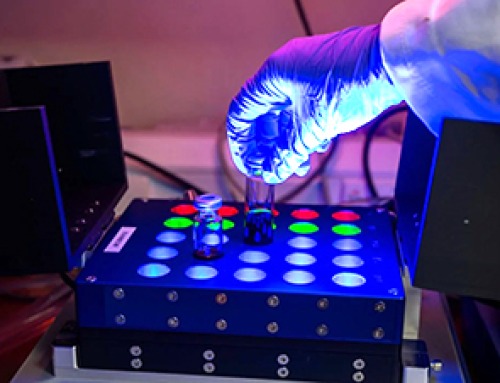
A Cambridge Lab Mistake Reveals a Powerful New Way to Modify Drug Molecules
A surprising lab discovery reveals a light-powered way to tweak complex drugs faster, cleaner, and later in development. Researchers at the University of Cambridge have created a new technique for altering complex drug molecules [...]
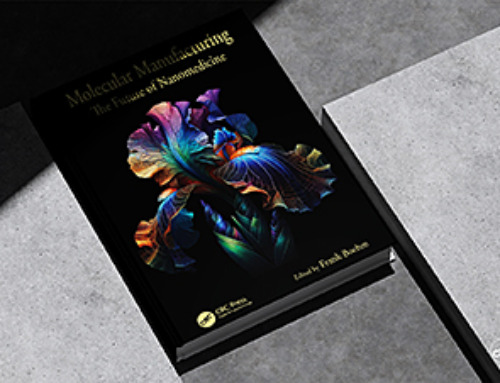
New book from NanoappsMedical Inc – Molecular Manufacturing: The Future of Nanomedicine
This book explores the revolutionary potential of atomically precise manufacturing technologies to transform global healthcare, as well as practically every other sector across society. This forward-thinking volume examines how envisaged Factory@Home systems might enable the cost-effective [...]

Scientists Discover Simple Saliva Test That Reveals Hidden Diabetes Risk
Researchers have identified a potential new way to assess metabolic health using saliva instead of blood. High insulin levels in the blood, known as hyperinsulinemia, can reveal metabolic problems long before obvious symptoms appear. It is [...]

One Nasal Spray Could Protect Against COVID, Flu, Pneumonia, and More
A single nasal spray vaccine may one day protect against viruses, pneumonia, and even allergies. For decades, scientists have dreamed of creating a universal vaccine capable of protecting against many different pathogens. The idea [...]
New AI Model Predicts Cancer Spread With Incredible Accuracy
Scientists have developed an AI system that analyzes complex gene-expression signatures to estimate the likelihood that a tumor will spread. Why do some tumors spread throughout the body while others remain confined to their [...]

Scientists Discover DNA “Flips” That Supercharge Evolution
In Lake Malawi, hundreds of species of cichlid fish have evolved with astonishing speed, offering scientists a rare opportunity to study how biodiversity arises. Researchers have identified segments of “flipped” DNA that may allow fish to adapt rapidly [...]
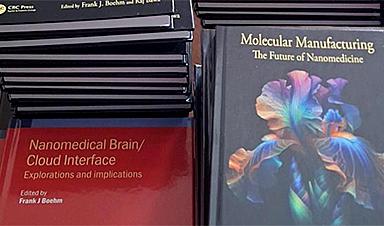
Our books now available worldwide!
Online Sellers other than Amazon, Routledge, and IOPP Indigo Global Health Care Equivalency in the Age of Nanotechnology, Nanomedicine and Artifcial Intelligence Global Health Care Equivalency In The Age Of Nanotechnology, Nanomedicine And Artificial [...]

Scientists Discover Why Some COVID Survivors Still Can’t Taste Food Years Later
A new study provides the first direct biological evidence explaining why some people continue to experience taste loss long after recovering from COVID-19. Researchers have uncovered specific biological changes in taste buds that could help [...]

Catching COVID significantly raises the risk of developing kidney disease, researchers find
Catching Covid significantly raises the risk of developing deadly kidney disease, research has shown. The virus was found to increase the chances that patients will develop the incurable condition by around 50 per cent. [...]
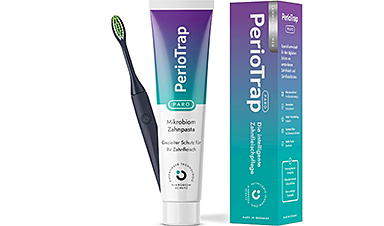
New Toothpaste Stops Gum Disease Without Harming Healthy Bacteria
Researchers have developed a targeted approach to combat periodontitis without disrupting the natural balance of the oral microbiome. The innovation could reshape how gum disease is treated while preserving beneficial bacteria. The human mouth [...]

Plastic Without End: Are We Polluting the Planet for Eternity?
The Kunming Montreal Global Biodiversity Framework calls for the elimination of plastic pollution by 2030. If that goal has been clearly set, why have meaningful measures that create real change still not been implemented? [...]
Scientists Rewire Natural Killer Cells To Attack Cancer Faster and Harder
Researchers tested new CAR designs in NK-92 cells and found the modified cells killed tumor cells more effectively, showing stronger anti-cancer activity. Researchers at the Ribeirão Preto Blood Center and the Center for Cell-Based [...]
New “Cellular” Target Could Transform How We Treat Alzheimer’s Disease
A new study from researchers highlights an unexpected player in Alzheimer’s disease: aging astrocytes. Senescent astrocytes have been identified as a major contributor to Alzheimer’s progression. The cells lose protective functions and fuel inflammation, particularly in [...]
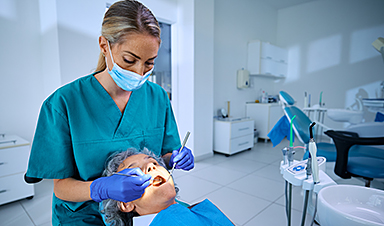
Treating a Common Dental Infection… Effects That Extend Far Beyond the Mouth
Successful root canal treatment may help lower inflammation associated with heart disease and improve blood sugar and cholesterol levels. Treating an infected tooth with a successful root canal procedure may do more than relieve [...]
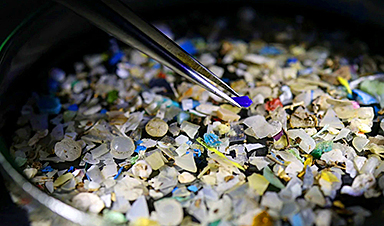
Microplastics found in prostate tumors in small study
In a new study, researchers found microplastics deep inside prostate cancer tumors, raising more questions about the role the ubiquitous pollutants play in public health. The findings — which come from a small study of 10 [...]