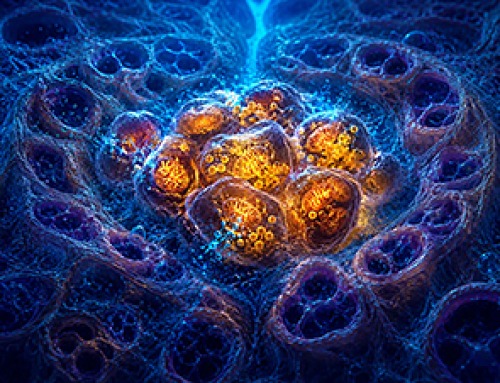
A new review reveals how plant- and microbe-derived nanoparticles can power next-gen water disinfection, delivering cleaner, safer water without the environmental cost of traditional treatments.
A recent review published in Nanomaterials highlights the potential of green-synthesized nanomaterials (GSNMs) in advancing safer and more sustainable water disinfection methods. The article explores how these materials are produced, how they act against harmful microorganisms, and their environmental implications.
As the global demand for clean water grows, this review positions GSNMs as a promising alternative to conventional disinfection systems like chlorination and UV, which are increasingly challenged by microbial resistance and harmful byproducts.
Rethinking Water Treatment with Nanotechnology
Conventional disinfection methods have served the industry for decades, but have several well-known drawbacks, such as limited effectiveness against resistant strains and chemical residues.
GSNMs offer an alternative remediation strategy, using the inherent antimicrobial properties of nanoscale materials, such as silver, zinc oxide, and titanium dioxide, while avoiding toxic solvents or harsh reagents during synthesis.
Such nanomaterials are usually produced using natural agents like plant extracts, fungi, or bacteria. This “green” approach avoids hazardous waste and also frequently results in enhanced particle functionality and stability.
By relying on renewable, low-impact materials, these syntheses align closely with broader sustainability goals, potentially lowering production costs and improving environmental safety.
Significance of the Review
The review surveyed a wide range of studies on how GSNMs are synthesized, how they inactivate bacteria, and how they might be implemented across different water treatment systems.
Three synthesis routes are commonly used: plant-mediated, microbial-assisted, and biopolymer-based. Each offers unique benefits in terms of particle characteristics and ease of production.
Studies have shown that the resulting nanoparticles exhibit strong antimicrobial activity, with silver nanoparticles frequently highlighted for their efficacy even at low concentrations.
To measure efficacy, researchers analyzed results from prior studies using standard microbiological assays, including minimum inhibitory concentration (MIC) and time-kill studies.
Many of these studies reported over 99.9 % bacterial reduction within 30 minutes at concentrations as low as 10 to 20 micrograms per milliliter. Smaller nanoparticles, in particular those under 20 nanometers, were particularly effective at penetrating microbial cells and causing cellular damage.
Mechanistically, the antimicrobial action of GSNMs is driven by several factors.
Factors include direct disruption of bacterial membranes, the generation of reactive oxygen species (ROS), and the slow release of metal ions that interfere with cellular processes.
Properties such as surface charge and particle morphology also play a key role in determining how well the materials interact with microbial cells. Because these nanomaterials are synthesized without toxic reactants, many have improved biocompatibility and reduced risk to non-target organisms.
Practical Applications and Industry Implications
GSNMs could enhance water treatment technologies in several ways. They can be embedded in filters or membranes to provide contact-based microbial inactivation, offering immediate protection and resistance to biofouling.
In photocatalytic systems, GSNMs can break down organic pollutants when exposed to natural sunlight, reducing reliance on chemical additives or energy-intensive processes. These capabilities make them particularly suitable for decentralized treatment setups, including in rural or low-infrastructure areas where robust, low-maintenance solutions are needed.
The integration of GSNMs into existing treatment platforms could improve both performance and longevity, working as a cost-effective upgrade path without requiring significant changes to infrastructure.
Their ability to inactivate a broad spectrum of microbes while also addressing chemical pollutants positions them as a versatile tool in the treatment chain.
Challenges and Considerations
While the review highlights clear advantages, it also emphasizes the limitations that must be addressed before these materials see widespread adoption.
The long-term environmental impacts of GSNMs, particularly their behavior in complex aquatic environments and potential for bioaccumulation, are largely unknown and remain areas of active investigation.
More standardized testing protocols are needed to assess safety, efficacy, and life cycle impacts across varied operating conditions.
Scalability is another consideration. Although lab-scale studies show strong results, industrial-scale production must meet cost, consistency, and regulatory demands.
Further research into green synthesis at scale, along with robust risk assessments, will be essential in moving GSNMs from promising concept to practical implementation.
Conclusion: A Smart, Sustainable Opportunity
GSNMs are not a drop-in replacement for all disinfection needs, but they offer real value where sustainability, safety, and flexibility are priorities. With further development, they could fill critical gaps in the water treatment landscape, particularly for decentralized or small-scale systems that require low-toxicity, high-efficacy solutions.
For water industry professionals, researchers, and technology developers, GSNMs represent a smart intersection of nanotechnology and environmental responsibility. They may not replace conventional methods outright, but they can strengthen the sector’s ability to deliver clean water more safely and sustainably, provided future studies confirm their long-term safety and performance in real-world settings.
Journal Reference
Ferdush, J., et al. (2025). Green-Synthesized Nanomaterials for Water Disinfection: Mechanisms, Efficacy, and Environmental Safety. Nanomaterials, 15(9), 1507. DOI: 10.3390/nano15191507, https://www.mdpi.com/2079-4991/15/19/1507

News
Cutting Two Amino Acids Slowed Prostate Cancer in Mice
A newly identified link between amino acid metabolism and cholesterol production may help prostate tumors adapt to hormone therapy. Prostate cancer can find ways around treatments designed to deprive tumors of the hormones they [...]

Largest-Ever Physics Survey Raises New Doubts About Our Model of the Universe
Physicists around the world remain deeply divided on key mysteries of the universe, from dark matter to quantum gravity. The standard cosmological model failed to gain majority support, and no leading theory dominated the [...]

Scientists Just Overturned a 100-Year-Old Belief About Bacteria in the Lungs
New findings raise questions about the role of microbes living in the lungs. More than 35 trillion bacteria live throughout the human body, forming microbiomes in the gut, mouth, lungs, skin, and urogenital tract. [...]

GHCE Concept
From the preface of the book Global Health Care Equivalency in the Age of Nanotechnology, Nanomedicine and Artificial Intelligence, Edited by Frank Boehm: Since the publication of my first book (Nanomedical Device and Systems [...]

Novartis, Ionis drug failure spurs questions
Pelacarsen didn’t protect heart health despite lowering levels of a protein particle, “Lp(a),” in a large clinical trial — a result with important implications for cardiovascular drug research. Dive Brief: An RNA drug from [...]

New injectable treatment helps the brain rebuild after stroke
Biomedical engineers at Duke University have created an injectable biomaterial that may help the brain recover from damage left behind by an ischemic stroke. In experiments with mice, the material transformed the cavity created [...]

Scientists Discover a Hidden “Immune Organ” Inside the Skull
Researchers discovered lymph node-like immune hubs inside skull bone marrow that appear to act as rapid-response centers for the brain. For decades, the brain was thought to operate largely apart from the immune system. [...]

Engineered tRNAs and lipid nanoparticles target nonsense mutation cystic fibrosis
Researchers have developed a potential new approach for treating a form of cystic fibrosis caused by so-called nonsense mutations, combining chemically modified transfer RNAs with lipid nanoparticles designed to deliver the therapy directly to [...]
New pancreatic cancer drug carries a $39,800 monthly list price
A groundbreaking treatment for one of the most common forms of pancreatic cancer has been approved in pill form by the FDA. Revolution Medicines’ oral tablet daraxonrasib, branded as Rasonque, reduced the risk of [...]

Researchers Have Discovered a New Way To Reduce Chronic Nerve Pain
A cancer-linked protein called BRAF may help drive chronic nerve pain, and existing cancer drugs targeting it reduced pain sensitivity in preclinical models. Chronic nerve pain can persist long after an injury and often [...]

Our books now available worldwide!
Online Sellers other than Amazon, Routledge, and IOPP Indigo Global Health Care Equivalency in the Age of Nanotechnology, Nanomedicine and Artifcial Intelligence Global Health Care Equivalency In The Age Of Nanotechnology, Nanomedicine And Artificial [...]

Quantum-Enabled Regenerative Health: Reimagining Wellness, Precision Health and Longevity Medicine
Introduction Healthcare is approaching a frontier where the quantum portfolio could influence not only how disease is diagnosed and treated, but how health itself is measured, modeled, predicted and preserved. Quantum computing, quantum simulation, [...]

FDA Clears First-of-Its-Kind Nonmedication Treatment for PTSD
The FDA has cleared a system that uses brain activity data to personalize magnetic stimulation for PTSD, adding a new nonmedication treatment option. Every day in the United States, approximately 17.5 veterans die by suicide, [...]
FDA approves breakthrough drug to treat advanced pancreatic cancer
The Food and Drug Administration (FDA) approved on Wednesday a drug that could extend the survival of those with metastatic pancreatic cancer. The drug, called daraxonrasib, will be sold under the brand name Rasonque [...]

AI Decodes a Hidden DNA Signal Linked to Disease-Causing Mutations
Machine learning identifies the likely “initiator” and enables new predictions about DNA mutations that can cause disease. Every human cell depends on tens of thousands of genes being switched on at the right time [...]

Pope Leo Urges Global Response to Congo’s Deadliest Ebola Outbreak
Pope Leo called for international action to address the Ebola outbreak in the Democratic Republic of Congo. The epidemic has claimed over 2,500 lives and is the nation's largest recorded outbreak. The Pope emphasized [...]