A new study analyzing the immune response to COVID-19 in a Catalan cohort of health workers sheds light on an important question: does it matter whether a person was first infected or first vaccinated?
According to the results, the order of the events does alter the outcome, at least when it comes to long-term protection against omicron.
The study, published in Nature Communications, was led by the Barcelona Institute for Global Health (ISGlobal) in collaboration with the Catalan Health Institute (ICS) and the Jordi Gol Institute (IDIAP JG), and with support from the Daniel Bravo Andreu Private Foundation (FPDBA).
Since the start of the pandemic, scientists have studied how the body responds to SARS-CoV-2, focusing on antibodies and on T-cell responses. Today, most people have what is known as hybrid immunity, meaning a combination of vaccination and infection.
“Previous studies have shown that hybrid immunity provides stronger protection than either vaccination or infection alone,” says ISGlobal researcher Carlota Dobaño, “but whether the order of these exposures affected the outcome remained an open question.”
A unique four-year dataset
The study was conducted among health care professionals from ICS Central Catalonia, a group that was particularly exposed to SARS-CoV-2 throughout the different waves of the pandemic.
The team led by Dobaño analyzed blood samples collected repeatedly between 2020 and 2023 from 357 health care professionals in the COVIDCatCentral cohort. Of these, 160 were vaccinated before becoming infected, while 197 were infected first. Among the latter, almost all (98%) were infected with the original Wuhan variant.
“This long-term follow-up has made it possible to build a solid and highly relevant database to analyze the immune response to COVID-19 over time,” says Anna Ruiz-Comellas, a researcher at ICS–IDIAP Jordi Gol who led the fieldwork.
Thanks to regular serological testing, it was possible to detect both symptomatic and asymptomatic infections. The team assessed antibody and T-cell responses to five different viral antigens.
Stronger antibodies to omicron in those vaccinated first
The study found that, compared to those initially infected, people who were first exposed to SARS-CoV-2 through vaccination developed higher levels of IgG and IgA antibodies against six omicron lineages (particularly, to the receptor binding domain of the spike protein). This difference became smaller as individuals accumulated more exposures to the virus.
“In contrast, those infected first mounted a somewhat stronger T-cell response, which may result from being exposed to a wider repertoire of antigens or higher viral loads,” says ISGlobal researcher and senior co-author Gemma Moncunill . However, the authors note that the number of participants evaluated for T-cell immunity was limited, so these results should be interpreted with caution.
Antibody dynamics reflect clinical protection
These antibody differences were reflected in clinical protection over time. People infected first were better protected early in the pandemic, when variants were closer to the original strain. But with the arrival of omicron, the advantage shifted: those vaccinated first were better protected from breakthrough infections.
“Our results provide new evidence that first exposure to SARS-CoV-2 antigens via vaccination strengthens the long-term protective effect of hybrid immunity,” says Otavio Ranzani, first author of the study.
Overall, the study highlights the role of the vaccination campaigns against SARS-CoV-2 by helping shape a strong immune response as new variants emerge.
This study is part of the END-VOC project, which aims to support the response to COVID-19 and other pandemics.
More information
Otavio Ranzani et al, Primary SARS-CoV-2 exposure by vaccination or infection shapes immune responses to omicron variants among a Spanish cohort, Nature Communications (2025). DOI: 10.1038/s41467-025-67577-9
Journal information: Nature Communications

News
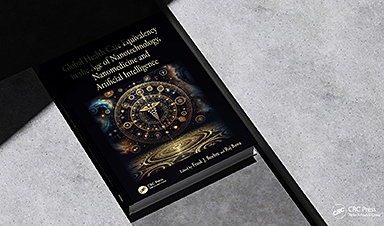
New book from Nanoappsmedical Inc. – Global Health Care Equivalency
A new book by Frank Boehm, NanoappsMedical Inc. Founder. This groundbreaking volume explores the vision of a Global Health Care Equivalency (GHCE) system powered by artificial intelligence and quantum computing technologies, operating on secure [...]
RNA Recycling Extends Lifespan
Summary: Researchers discovered a biological “trash disposal” mechanism that directly controls how fast we age. While circular RNA has long been known to accumulate in cells as we get older, this study proves for the [...]
Cancer’s Deadly Paradox: How Tumors Break Their Own DNA To Keep Growing
Cancer’s strongest gene switches push DNA into damaging overdrive, creating repeated breaks and repairs that may fuel tumor evolution while exposing possible therapeutic weak spots. A new study indicates that cancer can harm its own genetic [...]
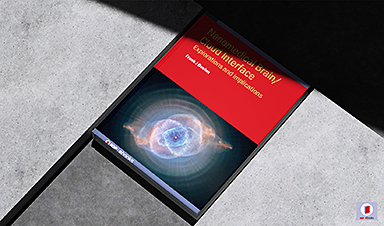
NanoMedical Brain/Cloud Interface – Explorations and Implications. A new book from Frank Boehm
New book from Frank Boehm, NanoappsMedical Inc Founder: This book explores the future hypothetical possibility that the cerebral cortex of the human brain might be seamlessly, safely, and securely connected with the Cloud via [...]
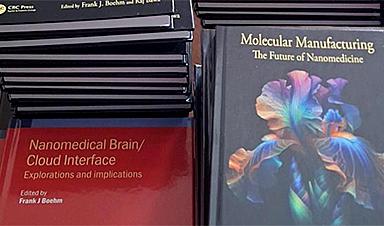
Our books now available worldwide!
Online Sellers other than Amazon, Routledge, and IOPP Indigo Global Health Care Equivalency in the Age of Nanotechnology, Nanomedicine and Artifcial Intelligence Global Health Care Equivalency In The Age Of Nanotechnology, Nanomedicine And Artificial [...]
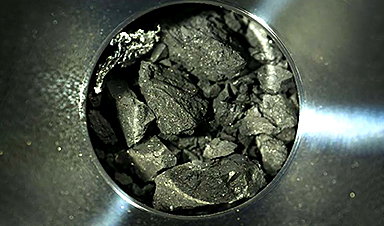
Ryugu asteroid samples contain all DNA and RNA building blocks, bolstering origin-of-life theories
All the essential ingredients to make the DNA and RNA underpinning life on Earth have been discovered in samples collected from the asteroid Ryugu, scientists said Monday. The discovery comes after these building blocks [...]

Is Berberine Really a “Natural Ozempic”?
Often labeled a “natural Ozempic,” berberine is widely discussed as a metabolic aid. Yet research suggests its influence may lie deeper. In recent years, berberine has gained significant attention as a supposed “natural way” [...]
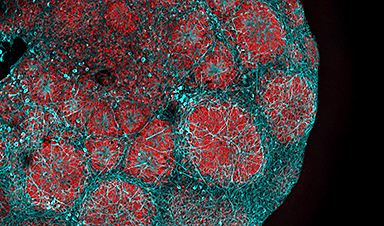
Viagra Ingredient Shows Promise for Rare Childhood Brain Disease in Surprising Study
A rare childhood disease with no approved treatment may have an unexpected new therapeutic candidate. Sildenafil, the active ingredient also sold under the brand name Viagra, may help reduce symptoms in people with Leigh [...]
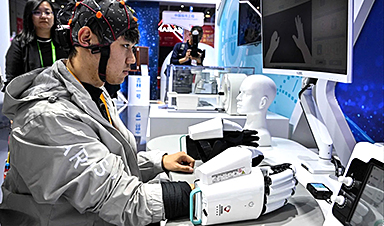
In a first for China, Neuracle’s implantable brain-computer interface wins approval
In a landmark development, Neuracle Medical Technology has secured the country’s first-ever approval for an implantable brain-computer interface (BCI) system designed to restore hand motor function in patients with spinal cord injuries, in a [...]
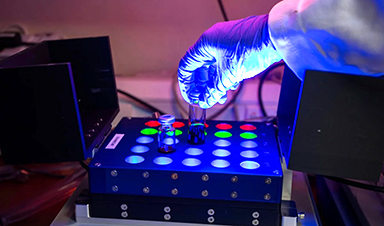
A Cambridge Lab Mistake Reveals a Powerful New Way to Modify Drug Molecules
A surprising lab discovery reveals a light-powered way to tweak complex drugs faster, cleaner, and later in development. Researchers at the University of Cambridge have created a new technique for altering complex drug molecules [...]
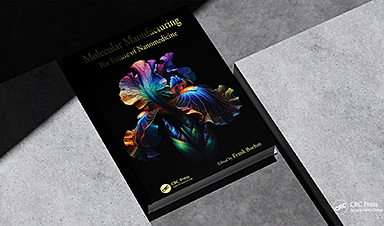
New book from NanoappsMedical Inc – Molecular Manufacturing: The Future of Nanomedicine
This book explores the revolutionary potential of atomically precise manufacturing technologies to transform global healthcare, as well as practically every other sector across society. This forward-thinking volume examines how envisaged Factory@Home systems might enable the cost-effective [...]
Scientists Discover Simple Saliva Test That Reveals Hidden Diabetes Risk
Researchers have identified a potential new way to assess metabolic health using saliva instead of blood. High insulin levels in the blood, known as hyperinsulinemia, can reveal metabolic problems long before obvious symptoms appear. It is [...]

One Nasal Spray Could Protect Against COVID, Flu, Pneumonia, and More
A single nasal spray vaccine may one day protect against viruses, pneumonia, and even allergies. For decades, scientists have dreamed of creating a universal vaccine capable of protecting against many different pathogens. The idea [...]
New AI Model Predicts Cancer Spread With Incredible Accuracy
Scientists have developed an AI system that analyzes complex gene-expression signatures to estimate the likelihood that a tumor will spread. Why do some tumors spread throughout the body while others remain confined to their [...]
Scientists Discover DNA “Flips” That Supercharge Evolution
In Lake Malawi, hundreds of species of cichlid fish have evolved with astonishing speed, offering scientists a rare opportunity to study how biodiversity arises. Researchers have identified segments of “flipped” DNA that may allow fish to adapt rapidly [...]
Scientists Discover Why Some COVID Survivors Still Can’t Taste Food Years Later
A new study provides the first direct biological evidence explaining why some people continue to experience taste loss long after recovering from COVID-19. Researchers have uncovered specific biological changes in taste buds that could help [...]