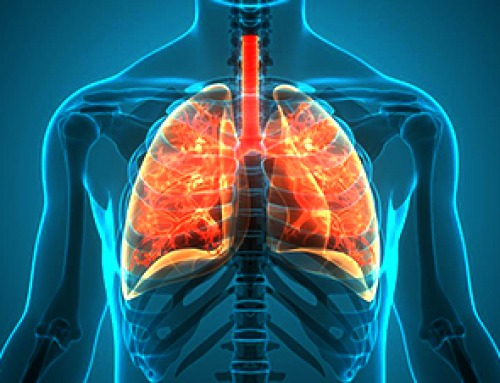
Discover how a new epigenetic clock measures how fast you are really aging from just a drop of blood or saliva.
A recent study published in the journal Nature Aging constructed an intrinsic capacity (IC) clock to predict all-cause mortality based on different factors.
What is intrinsic capacity?
In 2015, the World Health Organization (WHO) introduced intrinsic capacity (IC), a crucial component of healthy aging. WHO defined IC as “the sum of all the physical and mental capacities that an individual can draw on at any point in their life.”
IC promotes healthy aging by shifting the conventional focus of treating acute diseases to assessing and preserving an individual’s functional ability. It is essential to note that IC varies among individuals, typically peaking in early childhood and gradually decreasing after midlife. However, IC can be improved at any age by altering lifestyle.
The International Classification of Diseases, 11th Revision, has recently standardized the clinical use of IC as a functional aging metric. To date, several studies have developed IC scores, where a low IC score is associated with higher comorbidity, difficulties in daily activities, frailty, and increased falls. These studies have also established a link between IC and health-related factors.
Although IC can efficiently measure functional ability, the current protocol for quantitative measure is highly complex and requires sophisticated equipment and trained personnel. In addition, the precise molecular and cellular mechanisms associated with the age-related decline in IC is unclear.
About the study
The current study aimed to construct a new epigenetic predictor of IC (IC clock) using data from the INSPIRE Translational (INSPIRE-T) cohort. This cohort is an ongoing 10-year follow-up study that evaluates IC changes and biomarkers of aging and age-related diseases. Its participants are aged between 20 and 102 with varied levels of functional capacity.
DNA methylation (DNAm) profiling was performed on more than 1000 participants in the INSPIRE-T cohort. DNAm beta values and IC scores were used to build a predictive model for IC, using elastic net regression and tenfold cross-validation.
The IC clock was applied to the Framingham Heart Study (FHS) to uncover how DNAm IC was associated with mortality, clinical markers of health, and lifestyle.
Transcriptomics data and changes in cell composition were considered to assess the molecular and cellular mechanisms of IC.
Study findings
Clinical assessment tools were used to develop IC scores (ranging from 0 to 1) representing an age-related decline in different domains, such as sensory, cognition, psychological, locomotion, and vitality. An IC score of 1 indicated the best health outcome, while a zero score indicated the worst outcome.
All studied IC domains were found to be negatively correlated with age. The current study revealed that males had higher IC scores in the psychological and vitality domains, while females had higher scores in the sensory domain. No differences were observed between the sexes in the cognition and locomotion domains.
A continuous two-phase model regression analysis showed that female participants undergo an earlier sensory decline, while male participants experience earlier cognitive decline. This finding implies that women maintain cognitive functions like thinking, remembering, and reasoning longer than men.
The overall IC score indicated a robust positive correlation with each domain, compared to the correlations between domains, highlighting the integrative nature of the IC score. The highest and lowest inter-domain correlations were found in the sensory and psychological domains, respectively.
The model that ranked best across all studied metrics, i.e., highest correlation, lowest error, and fewer cytosine-phosphate-guanine (CpG) sites, exhibited a correlation of 0.61 between IC and predicted values based on DNAm. Although a strong correlation was observed based on age, CpGs with the highest coefficients exhibited nearly zero correlation with chronological age.
The newly constructed IC clock was compared with first- and second-generation epigenetic clocks. A negative correlation between DNAm IC and the epigenetic clocks was observed, with PhenoAge revealing the strongest correlation, followed by the Hannum clock. The current study indicated that DNAm IC could be calculated from saliva and blood samples.
The current study also identified the expression of 578 genes (e.g., MCOLN2 and CD28 genes) as significantly associated with DNAm IC alterations. CpGs in the IC clock indicated a correlation of 0.21 with the expression of at least one associated considerably gene. This observation confirmed the robust connection between the IC clock and the identified gene expression signature of DNAm IC.
Gene Ontology (GO) enrichment analysis was performed to determine the biological processes associated with the gene expression signature of DNAm IC. IC expression signature was strongly enriched in genes involved in cellular senescence and chronic inflammation. IC clock detected various aspects of immunosenescence in the blood linked with functional immune aging changes.
The current study observed that genomic instability, mitochondrial dysfunction, and loss of proteostasis were linked to the function of specific IC domains. Higher vitality scores were associated with mitochondrial electron transport genes. In comparison, higher psychological scores were related to DNA damage response pathways and higher sensory scores with proteostasis and immune response pathways.
Mortality data from the 1,680 individuals in the FHS was used to determine whether DNAm IC was associated with an increased mortality risk from all causes or age-related conditions. DNAm IC was found to be more strongly associated with all-cause mortality risks. This study estimated that individuals with high DNAm IC would live, on average, 5.5 years longer than those with low DNAm IC.
Notably, this study indicated that consuming fish rich in long-chain omega-3 fatty acids and adhering to the recommended sugar levels could promote IC maintenance. Although a range of dietary factors were examined, only fish-derived omega-3s and adherence to sugar guidelines remained significant after adjusting for multiple tests.
The researchers also note that IC declines rapidly in very old age. Due to limited data in this age group, their predictive model is not as strong for individuals with extremely low IC scores.
In addition, whilst the IC clock is strongly associated with mortality and health outcomes, the study cannot establish that improving DNAm IC will necessarily cause better health outcomes or longer life.
Conclusions
The current study established a biological clock for age-related decline in IC based on multiple clinical, functional, immune, and inflammatory components and lifestyle choices.
This IC clock can be estimated from blood and saliva and outperforms established epigenetic clocks in predicting mortality risk. However, further research is required to clarify causal relationships and to validate the IC clock in more diverse populations and among those with very low functional capacity.
A person’s IC can be exploited to guide aging interventions, though these results should be interpreted considering the study’s limitations and the need for further validation.

News
Cutting Two Amino Acids Slowed Prostate Cancer in Mice
A newly identified link between amino acid metabolism and cholesterol production may help prostate tumors adapt to hormone therapy. Prostate cancer can find ways around treatments designed to deprive tumors of the hormones they [...]

Largest-Ever Physics Survey Raises New Doubts About Our Model of the Universe
Physicists around the world remain deeply divided on key mysteries of the universe, from dark matter to quantum gravity. The standard cosmological model failed to gain majority support, and no leading theory dominated the [...]

Scientists Just Overturned a 100-Year-Old Belief About Bacteria in the Lungs
New findings raise questions about the role of microbes living in the lungs. More than 35 trillion bacteria live throughout the human body, forming microbiomes in the gut, mouth, lungs, skin, and urogenital tract. [...]
GHCE Concept
From the preface of the book Global Health Care Equivalency in the Age of Nanotechnology, Nanomedicine and Artificial Intelligence, Edited by Frank Boehm: Since the publication of my first book (Nanomedical Device and Systems [...]

Novartis, Ionis drug failure spurs questions
Pelacarsen didn’t protect heart health despite lowering levels of a protein particle, “Lp(a),” in a large clinical trial — a result with important implications for cardiovascular drug research. Dive Brief: An RNA drug from [...]
New injectable treatment helps the brain rebuild after stroke
Biomedical engineers at Duke University have created an injectable biomaterial that may help the brain recover from damage left behind by an ischemic stroke. In experiments with mice, the material transformed the cavity created [...]
Scientists Discover a Hidden “Immune Organ” Inside the Skull
Researchers discovered lymph node-like immune hubs inside skull bone marrow that appear to act as rapid-response centers for the brain. For decades, the brain was thought to operate largely apart from the immune system. [...]
Engineered tRNAs and lipid nanoparticles target nonsense mutation cystic fibrosis
Researchers have developed a potential new approach for treating a form of cystic fibrosis caused by so-called nonsense mutations, combining chemically modified transfer RNAs with lipid nanoparticles designed to deliver the therapy directly to [...]
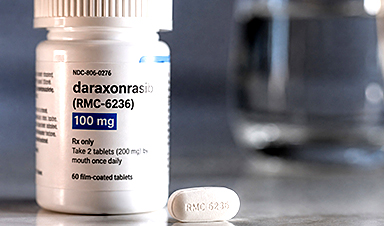
New pancreatic cancer drug carries a $39,800 monthly list price
A groundbreaking treatment for one of the most common forms of pancreatic cancer has been approved in pill form by the FDA. Revolution Medicines’ oral tablet daraxonrasib, branded as Rasonque, reduced the risk of [...]
Researchers Have Discovered a New Way To Reduce Chronic Nerve Pain
A cancer-linked protein called BRAF may help drive chronic nerve pain, and existing cancer drugs targeting it reduced pain sensitivity in preclinical models. Chronic nerve pain can persist long after an injury and often [...]

Our books now available worldwide!
Online Sellers other than Amazon, Routledge, and IOPP Indigo Global Health Care Equivalency in the Age of Nanotechnology, Nanomedicine and Artifcial Intelligence Global Health Care Equivalency In The Age Of Nanotechnology, Nanomedicine And Artificial [...]

Quantum-Enabled Regenerative Health: Reimagining Wellness, Precision Health and Longevity Medicine
Introduction Healthcare is approaching a frontier where the quantum portfolio could influence not only how disease is diagnosed and treated, but how health itself is measured, modeled, predicted and preserved. Quantum computing, quantum simulation, [...]

FDA Clears First-of-Its-Kind Nonmedication Treatment for PTSD
The FDA has cleared a system that uses brain activity data to personalize magnetic stimulation for PTSD, adding a new nonmedication treatment option. Every day in the United States, approximately 17.5 veterans die by suicide, [...]

FDA approves breakthrough drug to treat advanced pancreatic cancer
The Food and Drug Administration (FDA) approved on Wednesday a drug that could extend the survival of those with metastatic pancreatic cancer. The drug, called daraxonrasib, will be sold under the brand name Rasonque [...]
AI Decodes a Hidden DNA Signal Linked to Disease-Causing Mutations
Machine learning identifies the likely “initiator” and enables new predictions about DNA mutations that can cause disease. Every human cell depends on tens of thousands of genes being switched on at the right time [...]

Pope Leo Urges Global Response to Congo’s Deadliest Ebola Outbreak
Pope Leo called for international action to address the Ebola outbreak in the Democratic Republic of Congo. The epidemic has claimed over 2,500 lives and is the nation's largest recorded outbreak. The Pope emphasized [...]