A comprehensive review in “Biofunct. Mater.” meticulously details the most recent advancements and clinical translation of intelligent nanodrugs for breast cancer treatment. This paper presents an exhaustive overview of subtype-specific nanostrategies, the clinical benefits of FDA-approved nanodrugs, and innovative approaches to address tumor heterogeneity and treatment resistance. This serves as a foundational framework and pragmatic guide for enhancing precision-based breast cancer therapies.
Breast cancer, the most common cancer among women worldwide, is a major therapeutic challenge because of its profound heterogeneity. Breast cancer can be classified into several molecular subtypes, such as Luminal A, HER2-positive, and triple-negative breast cancer (TNBC), and a treatment that is effective for one patient may not work for another. In addition to this intrinsic heterogeneity, drug resistance and serious side effects have prompted the pursuit of more accurate and precise therapeutic strategies.
Nanomedicine, utilizing engineered nanoparticles for targeted drug delivery to tumors, presents a promising avenue for future treatment strategies. However, the design of an appropriate nanocarrier for individual patients has historically been a complex and often inefficient process of trial and error. The multitude of potential design parameters, including size, surface charge, and targeting ligand density, leads to a combinatorial explosion that is not feasible to test experimentally.
In this review, researchers from Shanghai Jiao Tong University School of Medicine and Guangdong Medical University have proposed a novel, data-driven solution to address the aforementioned challenge. They introduce an “AI-multi-omics intelligent delivery paradigm,” in which a machine learning model is utilized to predict the optimal design of nanocarriers. This prediction is based on the unique biological signatures specific to a patient’s tumor.
We have transitioned from a universal, one-size-fits-all methodology to a subtype-specific, intelligent drug delivery system. Many studies demonstrate that the incorporation of multi-omics data with artificial intelligence can effectively simplify complex processes. For example, in the case of aggressive Luminal B tumors, our model significantly enhanced the synchronization between drug release and peak tumor proliferation rates, increasing it by a factor of 2.8 compared to traditional static nanocarriers.”
Meng-Yao Li, corresponding author
The review methodically delineates the manner in which this paradigm capitalizes on subtype-specific vulnerabilities. In the case of HER2-positive breast cancer, the utilization of trastuzumab-conjugated dendrimers resulted in a reduction of off-target toxicity by 47%. For the treatment of TNBC, a notoriously difficult-to-treat subtype, the employment of EGFR-antibody liposomes amplified tumor accumulation by a factor of 3.2.
The study also presents a comprehensive review of the current state of clinical nanomedicine, ranging from FDA-approved drugs such as Doxil®-which significantly decreases the cardiotoxicity of doxorubicin from 18% to 3%-to promising therapies currently under clinical trials. Notably, preliminary results for ²²⁵Ac-liposomes indicate that 77.8% of patients with metastatic TNBC achieved stable disease status for a duration of six months or longer, without any observed bone marrow toxicity.
“The potential is profound,” elucidates Yimao Wu, a co-first author of the review. “This transcends mere incremental advancements. It offers a viable roadmap to engineer health, morphing breast cancer from a perilous disease into a manageable condition via personalized nanotherapeutic intervention.”
The authors recognize that issues related to large-scale manufacturing and long-term safety continue to impede clinical adoption. Nevertheless, with the incorporation of AI, multi-omics data, and biomimetic nanocarriers such as exosomes, the trajectory of breast cancer treatment is on course to be notably more accurate and efficacious in the future.
This paper ‘Intelligent delivery and clinical transformation of nanomedicine in breast cancer: from basic research to individualized therapy’ was published in Biofunctional Materials (ISSN: 2959-0582), an online multidisciplinary open access journal aiming to provide a peer-reviewed forum for innovation, research and development related to bioactive materials, biomedical materials, bio-inspired materials, bio-fabrications and other bio-functional materials.
Wu, Y., et al. (2025) Intelligent delivery and clinical transformation of nanomedicine in breast cancer: from basic research to individualized therapy. Biofunctional Materials, https://doi.org/10.55092/bm20250014.

News

Scientists Find a Berry Compound That Helps Muscle Cells Burn Fat
Pterostilbene, a compound found naturally in some foods, affects how skeletal muscles process fats by stabilizing a protein called PPARδ and increasing its signaling activity. Pterostilbene, a natural compound found in blueberries, grapes, and [...]
Two Hidden Forces Help Build the Human Brain Before Birth
Scientists have uncovered two surprising forces that help guide how the human brain forms before birth. Before birth, the human brain is shaped in large part by an unusual class of stem cells known [...]
Researchers Uncover a Hidden Trigger Behind Chronic Inflammation
The findings offer new insights that could help guide the development of future therapies. A protein called human resistin may help flip on one of the immune system’s most powerful inflammatory switches. Researchers at [...]
Scientists Have Uncovered Previously Hidden Microbial Activity on Human Skin
The most abundant microbes on your skin may not be the ones doing most of the work. Human skin supports vast communities of bacteria, fungi, and viruses that can influence its protective barrier, immune [...]
Brazilian Tree Compounds Fight COVID-19 on Multiple Fronts
Scientists found compounds in a Brazilian tree that hit SARS-CoV-2 on multiple fronts, revealing a promising new lead in the search for COVID-19 treatments. Researchers have found that galloylquinic acids extracted from the leaves [...]
Cutting Two Amino Acids Slowed Prostate Cancer in Mice
A newly identified link between amino acid metabolism and cholesterol production may help prostate tumors adapt to hormone therapy. Prostate cancer can find ways around treatments designed to deprive tumors of the hormones they [...]

Largest-Ever Physics Survey Raises New Doubts About Our Model of the Universe
Physicists around the world remain deeply divided on key mysteries of the universe, from dark matter to quantum gravity. The standard cosmological model failed to gain majority support, and no leading theory dominated the [...]

Scientists Just Overturned a 100-Year-Old Belief About Bacteria in the Lungs
New findings raise questions about the role of microbes living in the lungs. More than 35 trillion bacteria live throughout the human body, forming microbiomes in the gut, mouth, lungs, skin, and urogenital tract. [...]
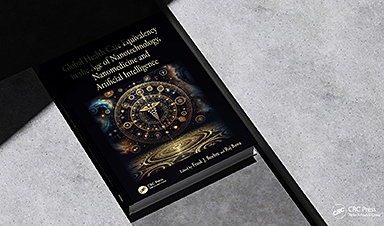
GHCE Concept
From the preface of the book Global Health Care Equivalency in the Age of Nanotechnology, Nanomedicine and Artificial Intelligence, Edited by Frank Boehm: Since the publication of my first book (Nanomedical Device and Systems [...]

Novartis, Ionis drug failure spurs questions
Pelacarsen didn’t protect heart health despite lowering levels of a protein particle, “Lp(a),” in a large clinical trial — a result with important implications for cardiovascular drug research. Dive Brief: An RNA drug from [...]
New injectable treatment helps the brain rebuild after stroke
Biomedical engineers at Duke University have created an injectable biomaterial that may help the brain recover from damage left behind by an ischemic stroke. In experiments with mice, the material transformed the cavity created [...]
Scientists Discover a Hidden “Immune Organ” Inside the Skull
Researchers discovered lymph node-like immune hubs inside skull bone marrow that appear to act as rapid-response centers for the brain. For decades, the brain was thought to operate largely apart from the immune system. [...]
Engineered tRNAs and lipid nanoparticles target nonsense mutation cystic fibrosis
Researchers have developed a potential new approach for treating a form of cystic fibrosis caused by so-called nonsense mutations, combining chemically modified transfer RNAs with lipid nanoparticles designed to deliver the therapy directly to [...]
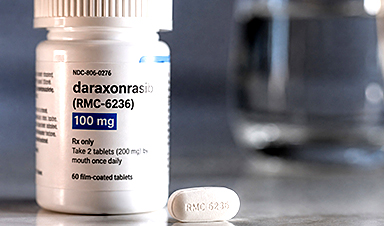
New pancreatic cancer drug carries a $39,800 monthly list price
A groundbreaking treatment for one of the most common forms of pancreatic cancer has been approved in pill form by the FDA. Revolution Medicines’ oral tablet daraxonrasib, branded as Rasonque, reduced the risk of [...]
Researchers Have Discovered a New Way To Reduce Chronic Nerve Pain
A cancer-linked protein called BRAF may help drive chronic nerve pain, and existing cancer drugs targeting it reduced pain sensitivity in preclinical models. Chronic nerve pain can persist long after an injury and often [...]
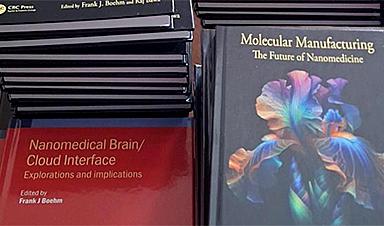
Our books now available worldwide!
Online Sellers other than Amazon, Routledge, and IOPP Indigo Global Health Care Equivalency in the Age of Nanotechnology, Nanomedicine and Artifcial Intelligence Global Health Care Equivalency In The Age Of Nanotechnology, Nanomedicine And Artificial [...]