Scientists have uncovered a way to make existing antifungal drugs work again against deadly, drug-resistant fungi.
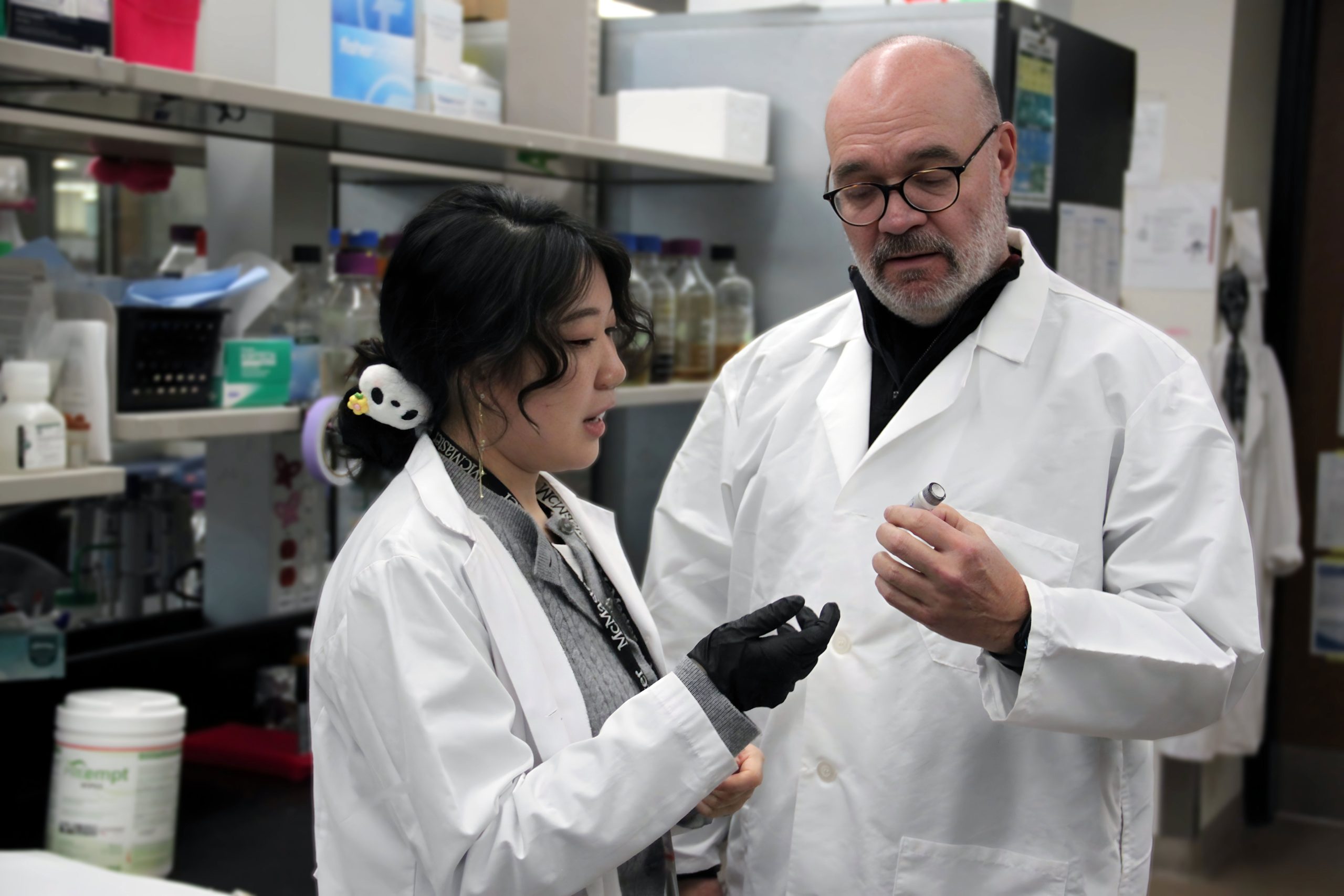
Fungal infections claim millions of lives worldwide each year, and current medical treatments are failing to keep pace. Scientists at McMaster University have now identified a molecule that could help address this growing problem. The compound, known as butyrolactol A, targets Cryptococcus neoformans, a fungus responsible for severe and often fatal disease.
Infections caused by Cryptococcus are especially dangerous. The organism can trigger pneumonia-like symptoms and is well known for its resistance to antifungal drugs. It most often affects people with compromised immune systems, including cancer patients and individuals living with HIV. Other fungi pose similar risks, including Candida auris and Aspergillus fumigatus, both of which have also been designated priority pathogens by the World Health Organization due to their threat to public health.
Despite the seriousness of these infections, treatment options remain extremely limited. Physicians currently rely on just three major classes of antifungal drugs.
Few Drugs, Serious Limitations
The most commonly used option is a group of medications known as amphotericin. Gerry Wright, a professor in McMaster’s Department of Biochemistry and Biomedical Sciences, notes that the drug’s effectiveness comes with significant drawbacks. He jokes that it is often referred to as “amphoterrible” because of the severe toxic side effects it can cause in patients.
“Fungal cells are a lot like human cells, so the drugs that hurt them tend to hurt us too,” he says. “That’s why there are so few options available to patients.”
The two remaining classes of antifungal drugs, azoles and echinocandins, offer far more limited protection, particularly when it comes to treating Cryptococcus infections. According to Wright, azoles only slow fungal growth instead of eliminating the organism. At the same time, Cryptococcus and several other fungi have developed complete resistance to echinocandins, leaving those drugs unable to stop the infection.
Because the development of new antifungal medicines has largely stalled, and existing treatments are losing their effectiveness, researchers are exploring alternative strategies. One promising approach involves the use of compounds known as “adjuvants,” which could help overcome resistance and strengthen the impact of current therapies.
“Adjuvants are helper molecules that don’t actually kill pathogens like drugs do, but instead make them extremely susceptible to existing medicine,” explains Wright, a member of the Michael G. DeGroote Institute for Infectious Disease Research (IIDR).
Turning to Adjuvants
Looking for adjuvants that might better sensitize Cryptococcus to existing antifungal drugs, Wright’s lab screened McMaster’s vast chemical collection for candidate molecules.
Quickly, his team found a hit: butyrolactol A, a known-but-previously-understudied molecule produced by certain Streptomyces bacteria. The researchers found that the molecule could synergize with echinocandin drugs to kill fungi that the drugs alone could not.
But they had no idea how it worked — and almost didn’t bother to find out.
“This molecule was first discovered in the early 1990s, and nobody has ever really looked at it since,” Wright says. “So, when it showed up in our screens, my first instinct was to walk away from it. I thought, ‘it’s a known compound, it kind of looks like amphotericin, it’s just another toxic molecule — not worth our time.’”
But he credits the determination of postdoctoral fellow Xuefei Chen for changing his mind.
“Early on, this molecule’s activity appeared to be quite good,” says Chen, who works in Wright’s lab. “I felt that if there was even a small chance that it could revive an entire class of antifungal medicine, we had to explore it.”
How the Adjuvant Works
After years of what Wright calls “painstaking sleuthing and detective work” led by Chen, the research team revealed exactly how the adjuvant worked.
Chen discovered that butyrolactol A acts as a plug that clogs up an important protein complex that’s “mission critical” for Cryptococcus — “when it’s jammed, all hell breaks loose,” Wright says. This disturbance renders the fungus completely vulnerable to the drugs that it once resisted.
Working with researchers in the laboratory of McMaster Professor Brian Coombes, also a member of the IIDR, the research team has since shown that butyrolactol A also functions similarly in Candida auris, which gives it broad clinical potential.
Wright says the findings, published recently in the prestigious journal Cell, are more than a decade in the making.
“That first screen that put butyrolactol A on our radar took place in 2014,” he notes. “More than eleven years later, thanks almost entirely to Chen, we have identified a legitimate drug candidate and an entirely new target to attack with other new drugs.”
Reference: “Butyrolactol A enhances caspofungin efficacy via flippase inhibition in drug-resistant fungi” by Xuefei Chen, H. Diessel Duan, Michael J. Hoy, Kalinka Koteva, Michaela Spitzer, Allison K. Guitor, Emily Puumala, Aline A. Fiebig, Guanggan Hu, Bonnie Yiu, Sommer Chou, Zhuyun Bian, Yeseul Choi, Amelia Bing Ya Guo, Wenliang Wang, Sheng Sun, Nicole Robbins, Anna Floyd Averette, Michael A. Cook, Ray Truant, Lesley T. MacNeil, Eric D. Brown, James W. Kronstad, Brian K. Coombes, Leah E. Cowen, Joseph Heitman, Huilin Li and Gerard D. Wright, 31 December 2025, Cell.
DOI: 10.1016/j.cell.2025.11.036

News

Where do nanoparticles go once they enter the body?
New international best practice guidance, co-written at ANSTO, sets out how to measure where nanoparticles like titanium dioxide end up in the body and how long they remain. The guidance has been shared by [...]
Long-Acting HIV Shots Could Solve a Major Treatment Challenge for Young People
A major African trial suggests that changing how HIV treatment is delivered could significantly improve viral suppression in adolescents. Young people with HIV were more likely to keep the virus suppressed when they received [...]

WHO Factsheets – The top 10 causes of death
In 2023, the 10 leading causes of death accounted for 33 million deaths, or 54% of the total 61 million deaths worldwide. The top global causes of death, in order of total number of lives lost, [...]
Aging Cells May Be Hiding From the Immune System – Scientists Think They Know How
Your immune system is supposed to clear out damaged cells. Researchers may have found how some of them hide and linger as the body ages. Researchers led by Cedars-Sinai Health Sciences University have identified [...]

Your Voice May Reveal How Fast Your Brain Is Aging
Researchers have developed a machine-learning “speech clock” that estimates age from subtle patterns in how people speak and what they say. It is possible that people’s voices may contain certain signals of aging that [...]
Optogenetics Pioneers Win 2026 Nobel Prize in Physiology or Medicine
The 2026 Nobel Prize in Physiology or Medicine has been awarded to Peter Hegemann, Georg Nagel, and Karl Deisseroth for the development of optogenetics, a revolutionary technology that uses light to control individual neurons [...]
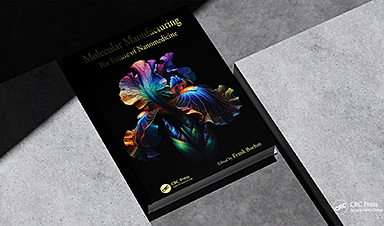
Molecular Manufacturing: The Future of Nanomedicine – From NanoappsMedical Inc.
This book explores the revolutionary potential of atomically precise manufacturing technologies to transform global healthcare, as well as practically every other sector across society. This forward-thinking volume examines how envisaged Factory@Home systems might enable the cost-effective [...]

What is ‘American Covid’ and how bad is it?
Cases of so-called ‘American Covid’ are on the rise in the UK. The strain is officially called XFG, or ‘Stratus’, and is the most common variant in North America, hence the name. It might soon [...]
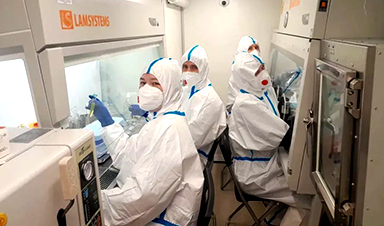
Researcher at Russian plague laboratory dies of ‘unknown’ infection
Russian authorities have imposed "anti-epidemic measures" after a laboratory worker at an institute in Siberia dedicated to studying the plague and other infectious diseases died of a mysterious illness. The researcher, a 28-year-old female [...]

GHCE Concept
From the preface of the book Global Health Care Equivalency in the Age of Nanotechnology, Nanomedicine and Artificial Intelligence, Edited by Frank Boehm: Since the publication of my first book (Nanomedical Device and Systems [...]

A Surprising Brain Signal Could Explain Why Eating Less Protein Extends Lifespan
A new paper suggests that limiting protein intake triggers a coordinated response throughout the body that may help explain how protein restriction affects healthy aging. Animals respond to protein restriction, or reduced protein in [...]

Back and shoulder surgery is often worse than useless
Millions of operations should be scrapped SIX IN TEN Britons have surgery at some point. So do lots of Americans, at a cost of perhaps $500bn a year, a third of all spending on [...]
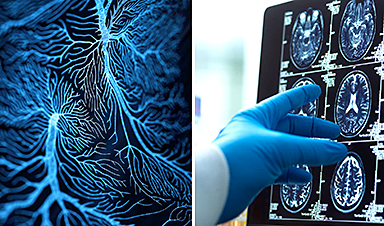
Cocaine plays with mind, hijacks brain circuit, drives increasingly rigid and repetitive behavior
Researchers have found that cocaine hijacks brain circuit, which to drive increasingly rigid and repetitive behavior. The brain circuit that normally participates in selecting natural mouth and face movements, but which becomes disproportionately engaged [...]
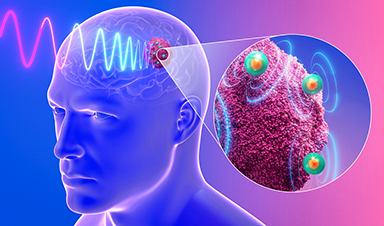
Injectable nanodevices could provide effective treatment for drug-resistant glioblastoma
The brain cancer glioblastoma is one of the most aggressive and treatment-resistant cancers known to medicine, carrying a median survival of just 12-15 months, even with the best available care. Now, researchers at the [...]
New Treatment Cuts “Bad” Cholesterol in Half for a Full Year
A single infusion of an experimental CRISPR-Cas9 therapy was reported to safely lower LDL cholesterol by 52.5% and triglycerides by 47.8%, as measured 12 months after treatment. What if one infusion could keep cholesterol [...]
Too Much RNA Can Drain a Cell’s Energy, Scientists Discover
A virus may cripple a cell’s power supply simply by producing too much of a molecule the cell needs to survive. New research from the Texas A&M College of Veterinary Medicine and Biomedical Sciences [...]