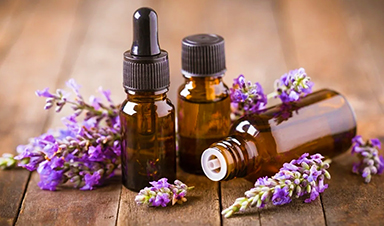
A week of lavender-scented nights helped brain surgery patients sleep more deeply, shorten delirium, and feel calmer, pointing to a simple, natural aid for post-surgery care.
A randomized controlled trial investigating the therapeutic impact of lavender essential oil aromatherapy on various postoperative measures revealed improved objective sleep quality (notably on the fourth day). It reduced anxiety on the seventh postoperative day in patients with intracranial tumors. The trial findings are published in Frontiers in Pharmacology.
Background
An intracranial tumor, commonly known as a brain tumor, is an abnormal growth of cells in or around the brain. These tumors can be benign or malignant and can significantly impair brain functions and affect the physical and mental health of affected people. In severe cases, these tumors can be life-threatening.
Surgery is the primary treatment option for intracranial tumors, which are often associated with postoperative neurocognitive dysfunctions and prolonged hospital stay. Sleep disturbances are widely recognized postoperative consequences in patients with intracranial tumors. This is associated with cognitive impairment, increased pain, anxiety, and depression, and delayed postoperative recovery.
Various pharmacological and non-pharmacological interventions are available to improve postoperative sleep quality and neurocognitive functions. However, major disadvantages of pharmacological interventions are adverse side effects, including respiratory distress. Non-pharmacological interventions, including noise reduction, eye masks, and music therapy, on the other hand, exhibit significant individual variability in response. This highlights the need for identifying effective and safe strategies to improve the postoperative health consequences of patients with intracranial tumors.
In this randomized controlled trial conducted at the Sanbo Brain Hospital, China, researchers investigated the therapeutic potential of lavender essential oil inhalation aromatherapy in improving sleep quality and shortening postoperative delirium duration in patients with intracranial tumors.
Lavender essential oil is well-known for its anti-inflammatory, anxiolytic, antidepressant, and sleep-promoting properties. It has been used widely for aromatherapy in hemodialysis patients, burn patients, and those with migraines and insomnia. The current trial aimed to extend the previously recognized anxiolytic and sleep-promoting effects of this aromatherapy in patients with intracranial tumors.
Trial design
The trial involved 42 hospitalized patients who were scheduled for intracranial tumor surgery. The participants were randomly assigned to the intervention group and the control group.
The intervention group patients received inhalation aromatherapy with 10% lavender essential oil, administered via nasal patches at night for seven consecutive days following surgery. The control group patients did not receive any intervention. No placebo or sham control was used, which the authors note as a limitation of this study.
All enrolled patients were evaluated using validated methods for postoperative sleep quality and neurocognitive disorders.
Key findings
The chemical composition of the lavender essential oil was analyzed in the trial to ensure consistency in the chemical profile. The findings revealed the presence of 60 compounds, with linalyl acetate, linalool, and lavandulol acetate being the most abundant and significant compounds.
Postoperative sleep quality
Several sleep quality parameters were analyzed in each study group for seven days after surgery. The findings revealed significantly longer total sleep and deep sleep durations in patients receiving lavender essential oil aromatherapy on the fourth postoperative day only, compared to the control group patients.
Overall, an improved sleep quality was observed among intervention group patients across several postoperative nights; however, a statistically significant improvement was observed only on the fourth day. This observation indicates that repeated exposures to lavender essential oil for several nights are needed to exert a measurable impact on postoperative sleep quality.
The trial findings also revealed significantly shorter sleep latency (the transition from full wakefulness to sleep) and lower sleep apnea severity and frequency of awakenings among intervention group patients compared to the control group patients.
Postoperative neurocognitive disorder
The assessment of various neurocognitive disorders revealed a significantly shorter duration of postoperative delirium among intervention group patients compared to that among control group patients. Delirium is a condition of impaired thinking and awareness that can lead to confusion, memory problems, or hallucinations. However, no significant differences were found between the groups in Mini-Mental State Examination (MMSE) scores one and three months after surgery.
Postoperative mental health outcomes
The trial reported a significant improvement in anxiety on the seventh postoperative day and a non-significant improvement in depression among intervention group patients. The observed improvement in anxiety and sleep quality due to lavender essential oil aromatherapy was more evident in female patients than in male patients. The authors caution that this subgroup finding is exploratory and based on a small sample size.
Significance
The trial findings highlight the significance of postoperative lavender essential oil inhalation aromatherapy in improving sleep quality (particularly on day four), reducing the duration of delirium, and mitigating anxiety in patients with intracranial tumors.
Notably, the trial suggests that this aromatherapy’s postoperative sleep and cognitive benefits are associated with continuous, repeated exposures to lavender essential oil for several nights, indicating that the effect of lavender essential oil may be cumulative. No significant differences were seen in pain, postoperative nausea/vomiting, complications, length of stay, or hospital cost. Further mechanistic research in larger samples is needed to understand the pattern of aromatherapy efficacy better.
The therapeutic properties of lavender essential oil are closely associated with its chemical composition. The formulation used in this trial is characterized by high levels of linalool and linalyl acetate, and low levels of eucalyptol and camphor. Both linalool and linalyl acetate have been found to improve sleep quality by entering the circulatory system through inhalation and altering the GABAergic, cholinergic, histaminergic, and monoaminergic pathways in the limbic system.
The trial reports aromatherapy-mediated reduction in postoperative delirium duration, possibly due to the neuro-modulatory effects of lavender components and their interaction in regulating sleep and cognitive function.
Overall, the trial findings suggest that 10% lavender essential oil is safe for inhalation aromatherapy in the short-term postoperative period and may have clinical implications for improving perioperative sleep, mitigating cognitive impairment, and managing stress.
The authors note that while no adverse events were reported in this study, some literature points to possible route-dependent risks and endocrine effects in other contexts, which warrant further safety studies.
- Liu Y. (2025). Effects of lavender essential oil inhalation aromatherapy on postoperative sleep quality in patients with intracranial tumors: a randomized controlled trial. Frontiers in Pharmacology. https://doi.org/10.3389/fphar.2025.1584998. https://www.frontiersin.org/journals/pharmacology/articles/10.3389/fphar.2025.1584998/full

News

What is ‘American Covid’ and how bad is it?
Cases of so-called ‘American Covid’ are on the rise in the UK. The strain is officially called XFG, or ‘Stratus’, and is the most common variant in North America, hence the name. It might soon [...]
Researcher at Russian plague laboratory dies of ‘unknown’ infection
Russian authorities have imposed "anti-epidemic measures" after a laboratory worker at an institute in Siberia dedicated to studying the plague and other infectious diseases died of a mysterious illness. The researcher, a 28-year-old female [...]
GHCE Concept
From the preface of the book Global Health Care Equivalency in the Age of Nanotechnology, Nanomedicine and Artificial Intelligence, Edited by Frank Boehm: Since the publication of my first book (Nanomedical Device and Systems [...]

A Surprising Brain Signal Could Explain Why Eating Less Protein Extends Lifespan
A new paper suggests that limiting protein intake triggers a coordinated response throughout the body that may help explain how protein restriction affects healthy aging. Animals respond to protein restriction, or reduced protein in [...]

Back and shoulder surgery is often worse than useless
Millions of operations should be scrapped SIX IN TEN Britons have surgery at some point. So do lots of Americans, at a cost of perhaps $500bn a year, a third of all spending on [...]
Cocaine plays with mind, hijacks brain circuit, drives increasingly rigid and repetitive behavior
Researchers have found that cocaine hijacks brain circuit, which to drive increasingly rigid and repetitive behavior. The brain circuit that normally participates in selecting natural mouth and face movements, but which becomes disproportionately engaged [...]
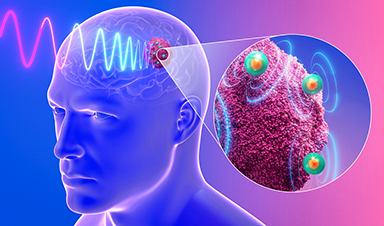
Injectable nanodevices could provide effective treatment for drug-resistant glioblastoma
The brain cancer glioblastoma is one of the most aggressive and treatment-resistant cancers known to medicine, carrying a median survival of just 12-15 months, even with the best available care. Now, researchers at the [...]
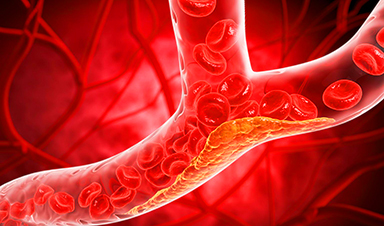
New Treatment Cuts “Bad” Cholesterol in Half for a Full Year
A single infusion of an experimental CRISPR-Cas9 therapy was reported to safely lower LDL cholesterol by 52.5% and triglycerides by 47.8%, as measured 12 months after treatment. What if one infusion could keep cholesterol [...]

Too Much RNA Can Drain a Cell’s Energy, Scientists Discover
A virus may cripple a cell’s power supply simply by producing too much of a molecule the cell needs to survive. New research from the Texas A&M College of Veterinary Medicine and Biomedical Sciences [...]
West African scientists warn of weakening health systems and urge stronger outbreak detection
LOME, Togo (AP) — West African laboratory scientists called on governments Friday to strengthen capacity to detect disease outbreaks to avoid another major outbreak, saying health systems across the region are becoming weaker. Participants [...]

A Little-Known Protein Could Point to a New Way To Treat Alzheimer’s
A study suggests that increasing SORLA protein levels could help treat Alzheimer’s disease and other disorders involving tau protein. Increasing SORLA, a protein with a protective role in the brain, helped mice withstand damage [...]
Cancer’s Hidden Antioxidant Shield Helps It Escape the Immune System
Blocking an antioxidant protein that tumors use to suppress immune attacks improved cancer immunotherapy responses in mice. Cancer cells can release antioxidants that interfere with the immune cells trying to kill them. Researchers have [...]

Scientists Find a Berry Compound That Helps Muscle Cells Burn Fat
Pterostilbene, a compound found naturally in some foods, affects how skeletal muscles process fats by stabilizing a protein called PPARδ and increasing its signaling activity. Pterostilbene, a natural compound found in blueberries, grapes, and [...]
Two Hidden Forces Help Build the Human Brain Before Birth
Scientists have uncovered two surprising forces that help guide how the human brain forms before birth. Before birth, the human brain is shaped in large part by an unusual class of stem cells known [...]
Researchers Uncover a Hidden Trigger Behind Chronic Inflammation
The findings offer new insights that could help guide the development of future therapies. A protein called human resistin may help flip on one of the immune system’s most powerful inflammatory switches. Researchers at [...]
Scientists Have Uncovered Previously Hidden Microbial Activity on Human Skin
The most abundant microbes on your skin may not be the ones doing most of the work. Human skin supports vast communities of bacteria, fungi, and viruses that can influence its protective barrier, immune [...]