A 96% accurate blood test for ME/CFS could transform diagnosis and pave the way for future long COVID detection.
Researchers from the University of East Anglia and Oxford Biodynamics have created a highly accurate blood test capable of diagnosing Chronic Fatigue Syndrome, also known as Myalgic Encephalomyelitis (ME/CFS).
This long-term and debilitating condition affects millions of people around the world, including more than 400,000 in the UK, yet it remains poorly understood and has lacked reliable diagnostic methods for decades.
Achieving an accuracy rate of 96 percent, the new test provides renewed hope for patients who have often faced years of uncertainty, misdiagnosis, or dismissal of their symptoms.
And it is hoped that the breakthrough could pave the way for a similar blood test to diagnose Long COVID.
Lead researcher Prof Dmitry Pshezhetskiy, from UEA's Norwich Medical School, said: "ME/CFS is a serious and often disabling illness characterized by extreme fatigue that is not relieved by rest.
"We know that some patients report being ignored or even told that their illness is 'all in their head'.
"With no definitive tests, many patients have gone undiagnosed or misdiagnosed for years.
"We wanted to see if we could develop a blood test to diagnose the condition – and we did!
"Our discovery offers the potential for a simple, accurate blood test to help confirm a diagnosis, which could lead to earlier support and more effective management."
"Post-COVID syndrome, commonly referred to as long COVID, is one example of ME/CFS, where a similar cluster of symptoms is triggered by the COVID-19 virus, rather than by other known causes such as glandular fever. We therefore hope that our research will also help pave the way for a similar test to accurately diagnose long Covid."
How the discovery was made
The researchers used Oxford BioDynamics' advanced EpiSwitch® 3D Genomics technology (AIM:OBD) to examine how DNA folds within blood samples collected from 47 individuals with severe ME/CFS and 61 healthy participants.
Inside each human cell lies about two meters of DNA, intricately packed and folded in three dimensions. These folds are not random; rather, millions of them are precisely arranged to create a regulatory code that controls when genes are switched on or off, ensuring normal cellular function.
OBD Chief Scientific Officer, Alexandre Akoulitchev, said: "Chronic Fatigue Syndrome is not a genetic disease you're born with. That's why using EpiSwitch 'epigenetic' markers – which can change during a person's life, unlike fixed genetic code – was key to reaching this high level of accuracy.
"The EpiSwitch platform behind this test, together with OBD's vast 3D Genomic knowledge base, has already been proven to deliver practical, rapid blood diagnostics accessible at scale.
"With this breakthrough, we are proud to enable a first-in-class test that can address an unmet need for a quick and reliable diagnostic for a complex, challenging-to-identify illness."
DNA folding patterns reveal key disease markers
This approach using EpiSwitch has previously shown success in identifying disease-specific blood markers in highly complex inflammatory and neurological conditions such as fast ALS (amyotrophic lateral sclerosis), rheumatoid arthritis, and certain cancers. This includes the EpiSwitch PSE test, which is a blood test with world-leading accuracy for prostate cancer already used in the UK and US.
The team discovered a unique pattern that appears consistently in people with ME/CFS that is not seen in healthy people.
Using a different approach, this work looked beyond the linear DNA sequence investigated by a previously published DecodeME study, the largest genetic investigation of ME/CFS to date.
By examining 3D genomic folds, UEA and Oxford BioDynamics revealed hundreds of additional changes, including five of the eight sites identified by DecodeME, which can now provide a deeper understanding of the disease.
The analysis showed remarkable accuracy – with 92 percent sensitivity in identifying ME/CFS, which indicates how well the test identifies those who have the disease (a show of true positives) and 98 percent specificity, which indicates how well it identifies those who do not have the disease.
The researchers also found signs of immune system and inflammation pathways involved in the disease, which may help guide future treatments and identify patients more likely to respond to specific therapies.
A vital tool for diagnosis and treatment
"This is a significant step forward," said UEA's Prof Pshezhetskiy. "For the first time, we have a simple blood test that can reliably identify ME/CFS – potentially transforming how we diagnose and manage this complex disease."
"Additionally, understanding the biological pathways involved in ME/CFS opens the door to developing targeted treatments and identifying which patients might benefit most from specific therapies.
"We hope that the Episwitch® CFS test could become a vital tool in clinical settings, paving the way for more personalized and effective care."
Reference: "Development and validation of blood-based diagnostic biomarkers for Myalgic Encephalomyelitis/Chronic Fatigue Syndrome (ME/CFS) using EpiSwitch® 3-dimensional genomic regulatory immuno-genetic profiling" by Ewan Hunter, Heba Alshaker, Oliver Bundock, Cicely Weston, Shekinah Bautista, Abel Gebregzabhar, Anya Virdi, Joseph Croxford, Ann Dring, Ryan Powell, Dominik Vugrinec, Caroline Kingdon, Carol Wilson, Sarah Dowrick, Jayne Green, Alexandre Akoulitchev and Dmitri Pchejetski, 8 October 2025, Journal of Translational Medicine.
DOI: 10.1186/s12967-025-07203-w

News

Scientists Find a Berry Compound That Helps Muscle Cells Burn Fat
Pterostilbene, a compound found naturally in some foods, affects how skeletal muscles process fats by stabilizing a protein called PPARδ and increasing its signaling activity. Pterostilbene, a natural compound found in blueberries, grapes, and [...]
Two Hidden Forces Help Build the Human Brain Before Birth
Scientists have uncovered two surprising forces that help guide how the human brain forms before birth. Before birth, the human brain is shaped in large part by an unusual class of stem cells known [...]
Researchers Uncover a Hidden Trigger Behind Chronic Inflammation
The findings offer new insights that could help guide the development of future therapies. A protein called human resistin may help flip on one of the immune system’s most powerful inflammatory switches. Researchers at [...]
Scientists Have Uncovered Previously Hidden Microbial Activity on Human Skin
The most abundant microbes on your skin may not be the ones doing most of the work. Human skin supports vast communities of bacteria, fungi, and viruses that can influence its protective barrier, immune [...]
Brazilian Tree Compounds Fight COVID-19 on Multiple Fronts
Scientists found compounds in a Brazilian tree that hit SARS-CoV-2 on multiple fronts, revealing a promising new lead in the search for COVID-19 treatments. Researchers have found that galloylquinic acids extracted from the leaves [...]
Cutting Two Amino Acids Slowed Prostate Cancer in Mice
A newly identified link between amino acid metabolism and cholesterol production may help prostate tumors adapt to hormone therapy. Prostate cancer can find ways around treatments designed to deprive tumors of the hormones they [...]
Largest-Ever Physics Survey Raises New Doubts About Our Model of the Universe
Physicists around the world remain deeply divided on key mysteries of the universe, from dark matter to quantum gravity. The standard cosmological model failed to gain majority support, and no leading theory dominated the [...]
Scientists Just Overturned a 100-Year-Old Belief About Bacteria in the Lungs
New findings raise questions about the role of microbes living in the lungs. More than 35 trillion bacteria live throughout the human body, forming microbiomes in the gut, mouth, lungs, skin, and urogenital tract. [...]
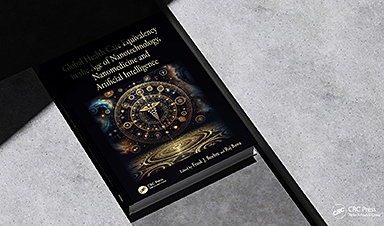
GHCE Concept
From the preface of the book Global Health Care Equivalency in the Age of Nanotechnology, Nanomedicine and Artificial Intelligence, Edited by Frank Boehm: Since the publication of my first book (Nanomedical Device and Systems [...]

Novartis, Ionis drug failure spurs questions
Pelacarsen didn’t protect heart health despite lowering levels of a protein particle, “Lp(a),” in a large clinical trial — a result with important implications for cardiovascular drug research. Dive Brief: An RNA drug from [...]
New injectable treatment helps the brain rebuild after stroke
Biomedical engineers at Duke University have created an injectable biomaterial that may help the brain recover from damage left behind by an ischemic stroke. In experiments with mice, the material transformed the cavity created [...]
Scientists Discover a Hidden “Immune Organ” Inside the Skull
Researchers discovered lymph node-like immune hubs inside skull bone marrow that appear to act as rapid-response centers for the brain. For decades, the brain was thought to operate largely apart from the immune system. [...]
Engineered tRNAs and lipid nanoparticles target nonsense mutation cystic fibrosis
Researchers have developed a potential new approach for treating a form of cystic fibrosis caused by so-called nonsense mutations, combining chemically modified transfer RNAs with lipid nanoparticles designed to deliver the therapy directly to [...]
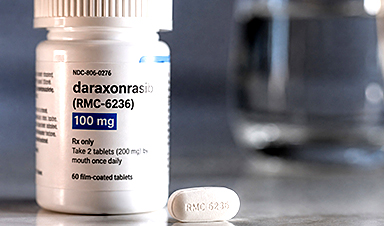
New pancreatic cancer drug carries a $39,800 monthly list price
A groundbreaking treatment for one of the most common forms of pancreatic cancer has been approved in pill form by the FDA. Revolution Medicines’ oral tablet daraxonrasib, branded as Rasonque, reduced the risk of [...]
Researchers Have Discovered a New Way To Reduce Chronic Nerve Pain
A cancer-linked protein called BRAF may help drive chronic nerve pain, and existing cancer drugs targeting it reduced pain sensitivity in preclinical models. Chronic nerve pain can persist long after an injury and often [...]
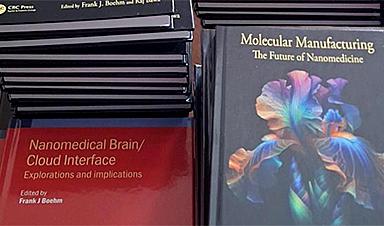
Our books now available worldwide!
Online Sellers other than Amazon, Routledge, and IOPP Indigo Global Health Care Equivalency in the Age of Nanotechnology, Nanomedicine and Artifcial Intelligence Global Health Care Equivalency In The Age Of Nanotechnology, Nanomedicine And Artificial [...]