The term 'tripledemic' has hit headlines this week as the NHS begins its Covid and fluvaccine roll-out for vulnerable adults.
As the cold weather sets in, many of us have experienced a decline in health, and this may be due to a trio of viruses that are currently circulating around the UK.
Older people, care home residents and people with health conditions are all eligible for vaccinations, with jabs set to be given from Thursday.
The latest roll-out comes after health officials raised concerns about a fall in the uptake of the flu vaccine after it emerged the illness had caused at least 18,000 deaths in the last two years.
But what is a 'tripledemic'? And how can we protect ourselves against the nasty winter viruses that are doing the rounds?
What is a 'tripledemic'?
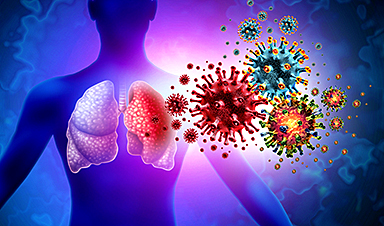
"A 'tripledemic' refers to side-by-side outbreaks of three respiratory illnesses, typically occurring during the autumn and winter seasons," explains Dr Chun Tang, a GP at Pall Mall. "In recent years, it's been used to describe the simultaneous spread of Covid-19, influenza (flu), and respiratory syncytial virus (RSV).
"Each of these viruses can cause severe illness, especially in vulnerable groups like the elderly, young children, and those with weakened immune systems."
"It is of particular concern now because, as these viruses circulate together, they can put pressure on the NHS due to a greater influx of patients," says Tang.
Do RSV, flu and Covid-19 have similar symptoms?
"RSV, flu, and Covid share many overlapping symptoms like fever, cough, runny nose, and fatigue, which can make it difficult to tell the difference between them," notes Tang.
However, some are some key differences to look out for.
"Covid-19 may lead to a loss of taste or smell and more frequent breathing difficulties," highlights Tang. "RSV often causes wheezing and is more likely to affect infants, while the flu tends to hit quickly with sudden fever and body aches.
"If you're unsure, testing can confirm which virus is responsible."
Tang urges anyone whose symptoms become severe or worsen over time to contact their local GP, especially if you have trouble breathing, persistent high fever, confusion, or chest pain.
"For infants, seek medical attention if they are struggling to breathe, are dehydrated, or if the child becomes unusually lethargic," he adds.
Is it possible to get all three viruses at the same time?
"Yes, it's possible to contract more than one of these viruses together," warns Tang. "Being infected with multiple respiratory viruses can increase the severity of illness and make it harder for the body to recover, especially for those with weakened immune systems or existing health conditions."
"The people most vulnerable to severe illness from a tripledemic include young children, older adults, and individuals with underlying health conditions, such as asthma, diabetes, or weakened immune systems," says Tang.
"Babies under the age of one, especially those born prematurely, are at higher risk from RSV, while older adults and those with chronic conditions may face more serious complications from the flu and Covid-19."
Treatment depends on the virus causing the illness.
"Flu and Covid-19 have antiviral medications available, but they work best when started early," explains Tang. "RSV typically requires supportive care, such as fluids, rest, and fever control, though severe cases in infants may require hospitalisation.
"For all three, the focus is on managing symptoms – hydration, rest, and medication to control fever and discomfort."
You can protect yourself by keeping up to date with available vaccines.
"There are vaccines for flu and Covid-19, and this year an RSV vaccine has been approved for older adults," highlights Tang. "Vaccination is crucial for reducing the risk of severe illness."
Eligible people can book in for a vaccination via the NHS website, the NHS app, or by calling 119 for free.
Practicing good hygiene is also very important.
"Regular hand washing, mask-wearing in crowded places, and staying home when sick can help reduce the spread," says Tang.
Taking vitamin D supplements can also help support immune health.
"Many older adults are at risk of vitamin D deficiency, particularly in winter when sunlight exposure is low," explains Tang. "While vitamin D can help boost overall immunity, it's not a specific treatment for these viruses.
"However, ensuring adequate levels through supplements or diet may help reduce the risk of respiratory infections."

News
Scientists Discover the Brain May Enter a New Biological Phase Between 50 and 75
A single-cell study reveals major changes in immune cells, genome organization, and gene regulation within the aging human hippocampus, offering important insights into brain aging and dementias associated with age. Between roughly ages 50 [...]

Our books now available worldwide!
Online Sellers other than Amazon, Routledge, and IOPP Indigo Global Health Care Equivalency in the Age of Nanotechnology, Nanomedicine and Artifcial Intelligence Global Health Care Equivalency In The Age Of Nanotechnology, Nanomedicine And Artificial [...]

Unzipping the Code of Life: Scientists Pinpoint Where DNA First Opens
Researchers mapped where DNA first opens and how a helicase gate may release one strand as genome copying begins. Before a cell can divide, it must open its tightly wound DNA and begin copying the entire [...]
Scientists Tested an 8-Hour Eating Window and Found a Surprising Brain Benefit
Limiting the daily eating window may provide brain benefits beyond those associated with weight loss. Eating within a shorter daily window may provide cognitive benefits beyond those associated with weight loss alone, according to [...]

Focused Ultrasound Opens Blood-Brain Barrier to Treat Brain Cancer
Summary: A new study demonstrates that primary brain tumors (gliomas) are particularly receptive to targeted drug delivery using focused ultrasound (FUS) combined with microbubbles. The team developed a high-resolution MRI protocol to track blood-brain barrier [...]

AI’s promise and practical limits in drug discovery
AI tools are becoming increasingly common in early drug discovery, allowing scientists to analyse data and navigate large volumes of research. However, according to Dr Raminderpal Singh, turning that potential into consistent scientific workflows [...]
GHCE Concept
From the preface of the book Global Health Care Equivalency in the Age of Nanotechnology, Nanomedicine and Artificial Intelligence, Edited by Frank Boehm: Since the publication of my first book (Nanomedical Device and Systems [...]
Healthcare Headlines: Challenges and Advances in 2026
Health-related updates reveal financial adjustments by Universal Health Services due to Medicaid reimbursement uncertainties, significant pollution-linked health concerns from French-British oil firm Perenco in Congo, drug trial setbacks, potential restructuring at major medical firms, [...]

Scientists Discover the Brain Protein That Helps Alzheimer’s Spread Through the Brain
Scientists have identified a brain protein that may help Alzheimer’s spread, revealing a potential new target for slowing the disease’s progression. Alzheimer’s disease is closely linked to the accumulation of a toxic form of the protein [...]
How Immune Dysregulation Contributes to Psychiatric Disorders
Introduction Growing evidence suggests that disruptions in immune function may play an important role in the development and progression of psychiatric disorders. However, immune mechanisms probably contribute more strongly in some patients than others, [...]

Electrostatic Discharge Boosts Triboelectric Nanogenerator Current and Enables DC Output
Controlled electrical discharges could enable triboelectric nanogenerators to achieve higher peak currents, extending nano-enabled energy harvesting into chemical processing and self-powered sensing. Paper: Electrostatic discharge as a breakthrough strategy for triboelectric nanogenerators. A new review [...]
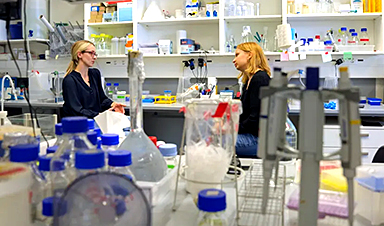
Swiss laboratory uses old drugs against rare diseases
Researchers at the University of Geneva are combing through collections of approved drugs to find new therapies for rare diseases – with some success. This approach is gaining traction around the world, while pharmaceutical [...]

Nanozyme Aptasensors Show Promise for Faster Food, Health, and Environmental Testing
By pairing robust artificial enzymes with highly selective aptamers, nanozyme aptasensors could help detect disease biomarkers, pathogens, and contaminants faster, but the review shows that real-world deployment still depends on overcoming matrix interference, biofouling, [...]
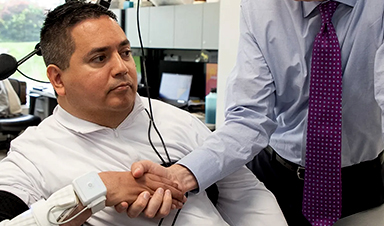
Paralyzed Man Feels Sensation Again With Brain Stimulation Device
Aneuroprosthetic system has allowed a man with paralysis to grasp and lift objects and feel touch again. The device helped 42-year-old Keith Thomas of Massapequa, New York, who was paralyzed from the chest down [...]
Global Cancer Cases Could Surge 67% by 2050, New Report Warns
New data reveal major geographic disparities and highlight the urgent need for global action on prevention, early detection, and equitable access to treatment. For roughly one in five people worldwide, cancer will become part [...]
A Deadly Ebola-Like Virus Is Spreading. Are We Ready?
BU virologist Nancy Sullivan says the Bundibugyo outbreak in the Democratic Republic of the Congo underscores the need for broader outbreak preparedness. The death of a nurse marked the moment health officials recognized that [...]