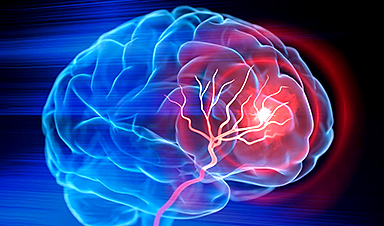
New nanomaterial passes the blood-brain barrier to reduce damaging inflammation after the most common form of stroke.
When someone experiences a stroke, doctors must quickly restore blood flow to the brain to prevent death. However, this sudden return of circulation can also set off a harmful cascade that damages brain cells, drives inflammation, and raises the risk of lasting disability.
Researchers at Northwestern University have now created an injectable regenerative nanomaterial designed to protect the brain during this critical period after blood flow is restored.
In a new preclinical study, the scientists tested a single intravenous dose given immediately following reperfusion in a mouse model of ischemic stroke, the most common form of the condition. The therapy was able to cross the blood-brain barrier, a hurdle that prevents many treatments from reaching brain tissue, and promote repair. Mice that received the treatment showed significantly less brain damage, with no evidence of side effects or toxicity in major organs.
The results, published in the journal Neurotherapeutics, indicate that this approach could eventually work alongside existing stroke therapies by reducing secondary injury and aiding recovery.
"Current clinical approaches are entirely focused on blood flow restoration," said co-corresponding author Dr. Ayush Batra, associate professor, neurology (neurocritical care) and pathology at Northwestern University Feinberg School of Medicine, co-director of the NeuroVascular Inflammation Laboratory at Northwestern and a neurocritical care physician with Northwestern Medicine. "Any treatment that facilitates neuronal recovery and minimizes injury would be very powerful, but that holy grail doesn't yet exist. This study is promising because it's leading us down a pathway to develop these technologies and therapeutics for this unmet need."
"One of the most promising aspects of this study is that we were able to show this therapeutic technology, which has shown incredible promise in spinal cord injury, can now begin to be applied in a stroke model and that it can be delivered systemically," said Stupp, co-corresponding author and Board of Trustees Professor of Materials Science and Engineering, Chemistry, Medicine and Biomedical Engineering at Northwestern. "This systemic delivery mechanism and the ability to cross the blood-brain barrier is a significant advance that could also be useful in treating traumatic brain injuries and neurodegenerative diseases such as ALS."
Stupp also is founding director of the Center for Regenerative Nanomedicine. He has appointments in the McCormick School of Engineering, Weinberg College of Arts and Sciences and Feinberg School of Medicine.
Study mimicked real-world stroke treatment
Acute ischemic stroke, which accounts for 80% of all strokes in the U.S., is a devastating condition and is one of the leading causes of morbidity and mortality worldwide, Batra said. Ischemic strokes occur when a clot blocks blood flow to the brain. Physicians reopen the vessel by administering "clot-busting" drugs or using devices to surgically remove the clot.
Severe strokes can lead to permanent, significant disability that affects a patient's quality of life and their ability to return to work and engage with their family and society.
"It has not only a significant personal and emotional burden on patients, but also a financial burden on families and communities," he said. "Reducing this level of disability with a therapy that could potentially help in restoring function and minimizing injury would really have a powerful long-term impact."
The findings are highly relevant for future clinical applications because the scientists tested the approach in a mouse model that closely mimics real-world ischemic stroke treatment, Batra said. They first blocked blood flow to simulate a major ischemic stroke and then restored it (a process called reperfusion), just as doctors restore blood flow acutely for ischemic stroke patients.
The scientists monitored the mice for seven days and didn't observe any significant side effects or biocompatibility issues such as toxicity or immune system rejection. They used advanced imaging techniques, such as real-time intravital intracranial microscopy, to confirm the therapy localized to the stroke injury site. Compared to untreated mice, those treated with the "dancing molecules" had significantly less brain tissue damage, reduced signs of inflammation, and reduced signs of excessive, damaging immune response.
Stupp said the therapy has pro-regenerative and anti-inflammatory properties, both of which contributed to the positive results.
"You get an accumulation of harmful molecules once the blockage occurs and then suddenly you remove the clot and all those 'bad actors' get released into the bloodstream, where they cause additional damage," Stupp said. "But the dancing molecules carry with them some anti-inflammatory activity to counteract these effects and at the same time help repair neural networks."
Dynamic 'dancing molecules' can be dialed down in concentration
The secret behind Stupp's "dancing molecules" breakthrough therapeutic is tuning the collective motion of molecules, so they can find and properly engage constantly moving cellular receptors. The treatment sends signals that encourage nerve cells to repair themselves. For example, it can help nerve fibers (called axons) grow again and reconnect with other nerve cells, restoring lost communication. This process is called plasticity, which means the brain and spinal cord can adapt and rebuild connections after injury.
In previous studies, scientists injected the dancing molecules as a liquid, and when used to treat spinal cord injury, the therapy immediately gels into a complex network of nanofibers that mimic the dense, extracellular matrix of the spinal cord. By matching the matrix's structure, mimicking the motion of biological molecules and incorporating signals for receptors, the synthetic materials are able to communicate with cells.
In the new study, the scientists dialed down the concentration of supramolecular peptide assemblies to prevent possible clotting as the therapy enters the bloodstream. Smaller aggregates of peptides easily crossed the blood-brain barrier. Once enough molecules cross, larger nanofiber assemblies can form in brain tissue to produce a more potent therapeutic effect, Stupp said.
"We chose for this stroke study one of the most dynamic therapies we had in terms of its molecular structure so that supramolecular assemblies would have a better probability of crossing the blood-brain barrier," Stupp said.
Optimizing therapeutic targeting
The fact that seemingly effective therapies cannot cross the blood-brain barrier has plagued the neuroscience field for decades, Batra said. This new therapy could change that.
When a physician acutely restores blood flow to a region of the brain in a stroke patient, the blood-brain barrier permeability is locally increased, naturally creating a transient opening and opportunity for therapeutic intervention, Batra said.
"Add to that a dynamic peptide that is able to cross more readily, and you're really optimizing the chances that your therapy is going where you want it to go," Batra said.
Next steps
Further studies will need to assess whether this treatment can support longer-term, functional recovery, Batra said. For instance, many stroke patients suffer from significant cognitive decline throughout the subsequent year after a stroke. The new therapy is primed to address that secondary injury, Batra said, but the studies will require a longer follow-up period and more sophisticated behavioral testing.
In addition, the team is interested in testing whether additional regenerative signals could be incorporated into the therapeutic peptides to produce even better results.
Reference: "Toward development of a dynamic supramolecular peptide therapy for acute ischemic stroke" by Zijun Gao, Luisa Helena Andrade da Silva, Zhiwei Li, Feng Chen, Cara Smith, Zoie Lipfert, Ryan Martynowicz, Erika Arias, William A. Muller, David P. Sullivan, Samuel I. Stupp and Ayush Batra, 8 January 2026, Neurotherapeutics.
DOI: 10.1016/j.neurot.2025.e00820
Funding for this study was primarily provided by the SQI Synthesizer Grant Program at the Center for Regenerative Nanomedicine.

News
Your Bones May Hold a Hidden Clue to Blood Cancer Survival
For people with blood cancers called myelodysplastic syndromes, osteoporosis may hold an overlooked clue to survival, a three-year observational study suggests. In blood cancers that develop in the bone marrow, an important clue to [...]

Researchers Discover What Reading for Pleasure May Be Doing to Your Brain
Reading for pleasure may offer surprising benefits for the brain, with research linking the habit to better mental health, stronger cognitive abilities, and a lower risk of dementia. Reading for pleasure may do far [...]
Scientists Discover a Hidden Trigger That Keeps Inflammation Alive
Inflammation persists after proteins detach from immune receptors, revealing a potential target for autoimmune treatments. Since a Nobel Prize-winning discovery in the 1990s identified molecules called Toll-like Receptors as the guardians of the human [...]
A Virus Gives Itself Away the Moment It Attacks
Researchers have found the trigger behind a powerful bacterial defense against viruses. Viruses that prey on bacteria could become an increasingly important tool for treating bacterial infections, particularly as antibiotic resistance makes some infections [...]
Scientists Discover Aspirin May Slash Dementia Risk by 70% – but Only for Certain People
Aspirin was linked to a sharply lower dementia risk in some older adults, and their genes may hold the clue. A Monash University analysis found that older adults with a particular genetic profile had [...]
Inflammation May Awaken Dormant Cancer Cells Years After Treatment
The body’s response to inflammation may disturb cancer cells that have been lying silent for years, giving them an opportunity to grow again. Researchers at the Francis Crick Institute have found that gut inflammation [...]
Where do nanoparticles go once they enter the body?
New international best practice guidance, co-written at ANSTO, sets out how to measure where nanoparticles like titanium dioxide end up in the body and how long they remain. The guidance has been shared by [...]
Long-Acting HIV Shots Could Solve a Major Treatment Challenge for Young People
A major African trial suggests that changing how HIV treatment is delivered could significantly improve viral suppression in adolescents. Young people with HIV were more likely to keep the virus suppressed when they received [...]

WHO Factsheets – The top 10 causes of death
In 2023, the 10 leading causes of death accounted for 33 million deaths, or 54% of the total 61 million deaths worldwide. The top global causes of death, in order of total number of lives lost, [...]
Aging Cells May Be Hiding From the Immune System – Scientists Think They Know How
Your immune system is supposed to clear out damaged cells. Researchers may have found how some of them hide and linger as the body ages. Researchers led by Cedars-Sinai Health Sciences University have identified [...]

Your Voice May Reveal How Fast Your Brain Is Aging
Researchers have developed a machine-learning “speech clock” that estimates age from subtle patterns in how people speak and what they say. It is possible that people’s voices may contain certain signals of aging that [...]

Optogenetics Pioneers Win 2026 Nobel Prize in Physiology or Medicine
The 2026 Nobel Prize in Physiology or Medicine has been awarded to Peter Hegemann, Georg Nagel, and Karl Deisseroth for the development of optogenetics, a revolutionary technology that uses light to control individual neurons [...]
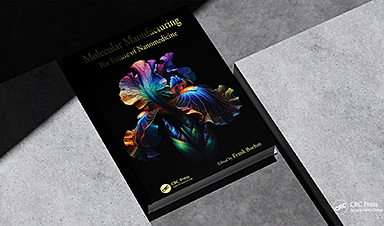
Molecular Manufacturing: The Future of Nanomedicine – From NanoappsMedical Inc.
This book explores the revolutionary potential of atomically precise manufacturing technologies to transform global healthcare, as well as practically every other sector across society. This forward-thinking volume examines how envisaged Factory@Home systems might enable the cost-effective [...]

What is ‘American Covid’ and how bad is it?
Cases of so-called ‘American Covid’ are on the rise in the UK. The strain is officially called XFG, or ‘Stratus’, and is the most common variant in North America, hence the name. It might soon [...]
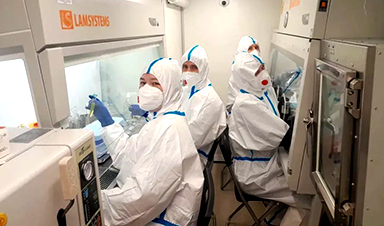
Researcher at Russian plague laboratory dies of ‘unknown’ infection
Russian authorities have imposed "anti-epidemic measures" after a laboratory worker at an institute in Siberia dedicated to studying the plague and other infectious diseases died of a mysterious illness. The researcher, a 28-year-old female [...]

GHCE Concept
From the preface of the book Global Health Care Equivalency in the Age of Nanotechnology, Nanomedicine and Artificial Intelligence, Edited by Frank Boehm: Since the publication of my first book (Nanomedical Device and Systems [...]