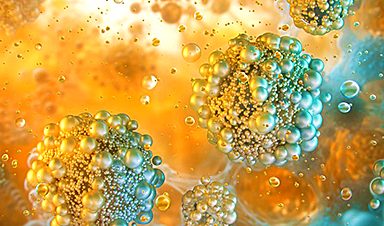
Scientists have developed platelet-inspired nanoparticles that deliver anti-inflammatory drugs directly to brain-computer interface implants, doubling their effectiveness.
Scientists have found a way to improve the performance of brain-computer interface (BCI) electrodes by delivering anti-inflammatory drugs directly to the site of implantation. The study, led by researchers at Case Western Reserve University (CWRU) in collaboration with Haima Therapeutics, has the potential to treat a wide range of inflammatory diseases and improve devices that let people control prosthetic limbs with their thoughts.
Nanoparticles as a Trojan horse
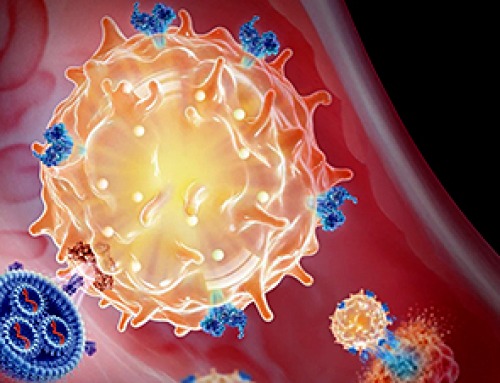
The team used a novel ‘platelet-inspired nanoparticle’ to transport an anti-inflammatory drug directly to the brain where BCI electrodes are implanted, which doubled the effectiveness of the electrodes.
“When we implant devices in the brain, it disrupts the blood-brain barrier, and we knew platelets would be showing up to seal the breach,” said neural engineer Andrew Shoffstall, the Nord Distinguished Associate Professor of Biomedical Engineering in the Case School of Engineering and Case Western Reserve School of Medicine. “We used these nanoparticles that act like platelets as a Trojan horse to target the site where we’re putting the device.”
How brain-computer interfaces work
BCI technology allows people with spinal cord injuries or prosthetic limbs to operate devices or limbs by thinking about them. Electrodes implanted in the brain sense neuronal activity and translate it into commands. However, inflammation around the implants can interfere with signals, limiting the lifespan and effectiveness of the electrodes.
By delivering the drug directly using nanoparticles, the team improved electrode performance.
“The brain recognises the implant as a foreign object – like a splinter – and it responds with inflammation to try to isolate and neutralise it,” Shoffstall explained.
By delivering the drug directly using nanoparticles, the team improved electrode performance, whereas administering the same drug systemically actually worsened results. The team now plans to move the research towards translation, starting with safety studies.
Synthetic platelets enable precision delivery
The approach relies on synthetic platelet technology developed by Anirban Sen Gupta, Wallace R. Persons professor of biomedical engineering, who patented it and licensed it to Haima Therapeutics, a biotech start-up he co-founded with CWRU alumna and COO Christa Pawlowski.
The technology, known as SynthoPlate, could have wider applications, including controlling life-threatening bleeding and targeted drug delivery.
Future clinical applications for different diseases
“Because the particle itself is a platform, you can load it with any drug, as long as you pick a disease or pathology where platelets can accumulate,” Sen Gupta said. “Really, it has potential for treating any disease that involves vascular injury and inflammation, from stroke and heart attack to autoimmune disorders like rheumatoid arthritis or infectious diseases like sepsis.”
Because the particle itself is a platform, you can load it with any drug.
Haima Therapeutics plans to begin human clinical trials of the platelet-inspired nanoparticles in 2027 and recently secured two Small Business Innovation Research Grants from the Defense Advanced Research Projects Agency (DARPA) to advance the technology towards clinical translation.

News
Scientists Develop a Clever New Way To Kill Cancer Cells From the Inside
Scientists have developed an experimental strategy that exploits a chemical byproduct of cancer cells to produce anticancer drugs directly inside them. Scientists in Japan have developed an experimental method that uses a chemical produced [...]
Our books are available worldwide!
Online Sellers other than Amazon, Routledge, and IOPP Indigo Global Health Care Equivalency in the Age of Nanotechnology, Nanomedicine and Artifcial Intelligence Global Health Care Equivalency In The Age Of Nanotechnology, Nanomedicine And Artificial [...]

After only a short training, people in a coma managed to send targeted signals
Researchers have succeeded in communicating with brain-injured patients who are unconscious. They see enormous potential in this for future treatments. Patients who lie motionless in bed after a severe brain injury and do not [...]
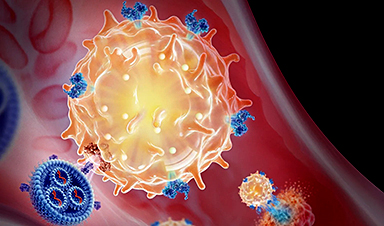
MIT Scientists Reprogram Immune Cells Inside the Body To Destroy Cancer
Natural killer cells reprogrammed inside mice eliminated lymphoma tumors and helped damaged livers heal, though whether this approach could help people with cancer or autoimmune disease remains unknown. To make a cancer treatment from [...]

Melanoma mRNA Vaccine Shows Promise in Preventing Disease Recurrence
Key takeaways: Phase 3 trial finds personalized intismeran plus pembrolizumab may better prevent high-risk melanoma recurrence after surgery The trial enrolled 1,137 patients and builds on phase 2 results showing about half the recurrence [...]

Scientists Discover a Powerful New Weapon Against a Dangerous Gut Infection
The promise of an experimental treatment for C. difficile gut infections lies partly in the bacteria it leaves alive, according to early laboratory and mouse research. Broad-spectrum antibiotics can disrupt the gut’s microbial community, [...]
Your Bones May Hold a Hidden Clue to Blood Cancer Survival
For people with blood cancers called myelodysplastic syndromes, osteoporosis may hold an overlooked clue to survival, a three-year observational study suggests. In blood cancers that develop in the bone marrow, an important clue to [...]

Researchers Discover What Reading for Pleasure May Be Doing to Your Brain
Reading for pleasure may offer surprising benefits for the brain, with research linking the habit to better mental health, stronger cognitive abilities, and a lower risk of dementia. Reading for pleasure may do far [...]
Scientists Discover a Hidden Trigger That Keeps Inflammation Alive
Inflammation persists after proteins detach from immune receptors, revealing a potential target for autoimmune treatments. Since a Nobel Prize-winning discovery in the 1990s identified molecules called Toll-like Receptors as the guardians of the human [...]
A Virus Gives Itself Away the Moment It Attacks
Researchers have found the trigger behind a powerful bacterial defense against viruses. Viruses that prey on bacteria could become an increasingly important tool for treating bacterial infections, particularly as antibiotic resistance makes some infections [...]
Scientists Discover Aspirin May Slash Dementia Risk by 70% – but Only for Certain People
Aspirin was linked to a sharply lower dementia risk in some older adults, and their genes may hold the clue. A Monash University analysis found that older adults with a particular genetic profile had [...]
Inflammation May Awaken Dormant Cancer Cells Years After Treatment
The body’s response to inflammation may disturb cancer cells that have been lying silent for years, giving them an opportunity to grow again. Researchers at the Francis Crick Institute have found that gut inflammation [...]
Where do nanoparticles go once they enter the body?
New international best practice guidance, co-written at ANSTO, sets out how to measure where nanoparticles like titanium dioxide end up in the body and how long they remain. The guidance has been shared by [...]
Long-Acting HIV Shots Could Solve a Major Treatment Challenge for Young People
A major African trial suggests that changing how HIV treatment is delivered could significantly improve viral suppression in adolescents. Young people with HIV were more likely to keep the virus suppressed when they received [...]

WHO Factsheets – The top 10 causes of death
In 2023, the 10 leading causes of death accounted for 33 million deaths, or 54% of the total 61 million deaths worldwide. The top global causes of death, in order of total number of lives lost, [...]
Aging Cells May Be Hiding From the Immune System – Scientists Think They Know How
Your immune system is supposed to clear out damaged cells. Researchers may have found how some of them hide and linger as the body ages. Researchers led by Cedars-Sinai Health Sciences University have identified [...]