Amyotrophic lateral sclerosis (ALS) – which you may know as the disease that affected Stephen Hawking – is a fatal neurodegenerative disease that causes progressive muscle weakness. A research team at Tohoku University and Keio University has uncovered a unifying mechanism in ALS revolving around the expression of UNC13A (a gene crucial for neuronal communication) that represents a common target for developing effective treatment strategies that could improve the lives of patients with ALS.
“Scientists still don’t fully understand the process behind the loss of motor neurons in ALS. ALS is known for its genetic heterogeneity – meaning that there are numerous possible combinations of genes and factors that could lead to ALS. This makes it difficult to develop a singular treatment that works for everyone.”
Yasuaki Watanabe, Assistant Professor, Tohoku University
For example, a hallmark of many ALS cases is the loss of TDP-43 (a nuclear RNA-binding protein) which causes widespread RNA dysregulation. However, many other ALS-linked proteins such as FUS, MATR3, and hnRNPA1 have also been implicated, each with differing pathological mechanisms. This diversity has long hindered the search for common therapeutic targets.
Led by Assistant Professor Yasuaki Watanabe and Professor Keiko Nakayama, Tohoku University, the team sought to identify a molecular pathway shared among different forms of ALS. They generated neural cell lines in which one of four key ALS-related RNA-binding proteins was depleted. In all cases, the expression of UNC13A was significantly reduced.
The study revealed two distinct molecular mechanisms underlying this reduction. One mechanism involves the inclusion of a cryptic exon in the UNC13A transcript, which leads to mRNA destabilization. The second was a completely new finding, which shows that the loss of FUS, MATR3, or hnRNPA1 causes overexpression of the transcriptional repressor REST. As the name implies, REST suppresses UNC13A gene transcription, making it unable to perform its usually helpful functions. This suppression may be what leads to the symptoms found in ALS.
To clarify whether these results mirrored what was really occurring in patients with ALS, the researchers looked at motor neurons derived from ALS patient iPS cells and in spinal cord tissues from ALS autopsy cases. Importantly, the researchers confirmed elevated REST levels, strengthening the clinical relevance of their findings.
This newly discovered convergence of distinct ALS-causing mutations on a single downstream effect–UNC13A deficiency–offers critical insight into the disease’s complexity. The results highlight UNC13A as a central hub in ALS pathogenesis and suggest that preserving its expression, or modulating REST activity, could represent promising therapeutic strategies.
“This study provides a valuable framework for developing broad-spectrum treatments that target shared molecular vulnerabilities in ALS,” says Nakayama.
As ALS progresses, patients’ muscles waste away until they eventually lose the ability to swallow or breathe. A treatment that could potentially slow down or prevent this progression in as many patients as possible represents a large stride forward in ALS research.
Watanabe , Y., et al. (2025). ALS-associated RNA-binding proteins promote UNC13A transcription through REST downregulation. The EMBO Journal. doi.org/10.1038/s44318-025-00506-0

News
Cutting Two Amino Acids Slowed Prostate Cancer in Mice
A newly identified link between amino acid metabolism and cholesterol production may help prostate tumors adapt to hormone therapy. Prostate cancer can find ways around treatments designed to deprive tumors of the hormones they [...]
Largest-Ever Physics Survey Raises New Doubts About Our Model of the Universe
Physicists around the world remain deeply divided on key mysteries of the universe, from dark matter to quantum gravity. The standard cosmological model failed to gain majority support, and no leading theory dominated the [...]

Scientists Just Overturned a 100-Year-Old Belief About Bacteria in the Lungs
New findings raise questions about the role of microbes living in the lungs. More than 35 trillion bacteria live throughout the human body, forming microbiomes in the gut, mouth, lungs, skin, and urogenital tract. [...]

GHCE Concept
From the preface of the book Global Health Care Equivalency in the Age of Nanotechnology, Nanomedicine and Artificial Intelligence, Edited by Frank Boehm: Since the publication of my first book (Nanomedical Device and Systems [...]

Novartis, Ionis drug failure spurs questions
Pelacarsen didn’t protect heart health despite lowering levels of a protein particle, “Lp(a),” in a large clinical trial — a result with important implications for cardiovascular drug research. Dive Brief: An RNA drug from [...]
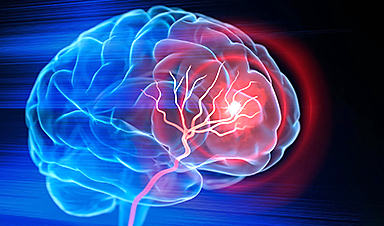
New injectable treatment helps the brain rebuild after stroke
Biomedical engineers at Duke University have created an injectable biomaterial that may help the brain recover from damage left behind by an ischemic stroke. In experiments with mice, the material transformed the cavity created [...]
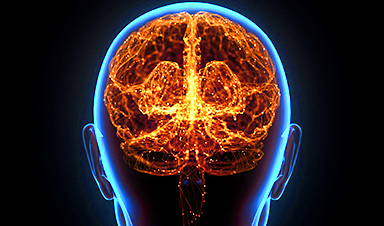
Scientists Discover a Hidden “Immune Organ” Inside the Skull
Researchers discovered lymph node-like immune hubs inside skull bone marrow that appear to act as rapid-response centers for the brain. For decades, the brain was thought to operate largely apart from the immune system. [...]
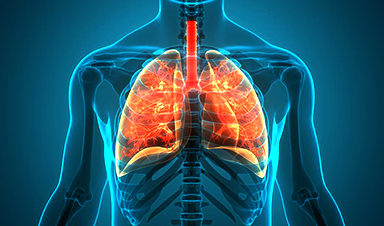
Engineered tRNAs and lipid nanoparticles target nonsense mutation cystic fibrosis
Researchers have developed a potential new approach for treating a form of cystic fibrosis caused by so-called nonsense mutations, combining chemically modified transfer RNAs with lipid nanoparticles designed to deliver the therapy directly to [...]
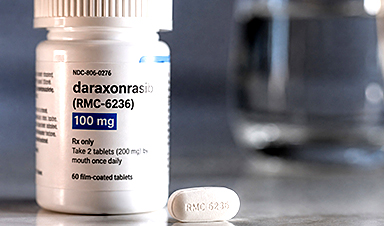
New pancreatic cancer drug carries a $39,800 monthly list price
A groundbreaking treatment for one of the most common forms of pancreatic cancer has been approved in pill form by the FDA. Revolution Medicines’ oral tablet daraxonrasib, branded as Rasonque, reduced the risk of [...]
Researchers Have Discovered a New Way To Reduce Chronic Nerve Pain
A cancer-linked protein called BRAF may help drive chronic nerve pain, and existing cancer drugs targeting it reduced pain sensitivity in preclinical models. Chronic nerve pain can persist long after an injury and often [...]
Our books now available worldwide!
Online Sellers other than Amazon, Routledge, and IOPP Indigo Global Health Care Equivalency in the Age of Nanotechnology, Nanomedicine and Artifcial Intelligence Global Health Care Equivalency In The Age Of Nanotechnology, Nanomedicine And Artificial [...]

Quantum-Enabled Regenerative Health: Reimagining Wellness, Precision Health and Longevity Medicine
Introduction Healthcare is approaching a frontier where the quantum portfolio could influence not only how disease is diagnosed and treated, but how health itself is measured, modeled, predicted and preserved. Quantum computing, quantum simulation, [...]

FDA Clears First-of-Its-Kind Nonmedication Treatment for PTSD
The FDA has cleared a system that uses brain activity data to personalize magnetic stimulation for PTSD, adding a new nonmedication treatment option. Every day in the United States, approximately 17.5 veterans die by suicide, [...]

FDA approves breakthrough drug to treat advanced pancreatic cancer
The Food and Drug Administration (FDA) approved on Wednesday a drug that could extend the survival of those with metastatic pancreatic cancer. The drug, called daraxonrasib, will be sold under the brand name Rasonque [...]

AI Decodes a Hidden DNA Signal Linked to Disease-Causing Mutations
Machine learning identifies the likely “initiator” and enables new predictions about DNA mutations that can cause disease. Every human cell depends on tens of thousands of genes being switched on at the right time [...]

Pope Leo Urges Global Response to Congo’s Deadliest Ebola Outbreak
Pope Leo called for international action to address the Ebola outbreak in the Democratic Republic of Congo. The epidemic has claimed over 2,500 lives and is the nation's largest recorded outbreak. The Pope emphasized [...]