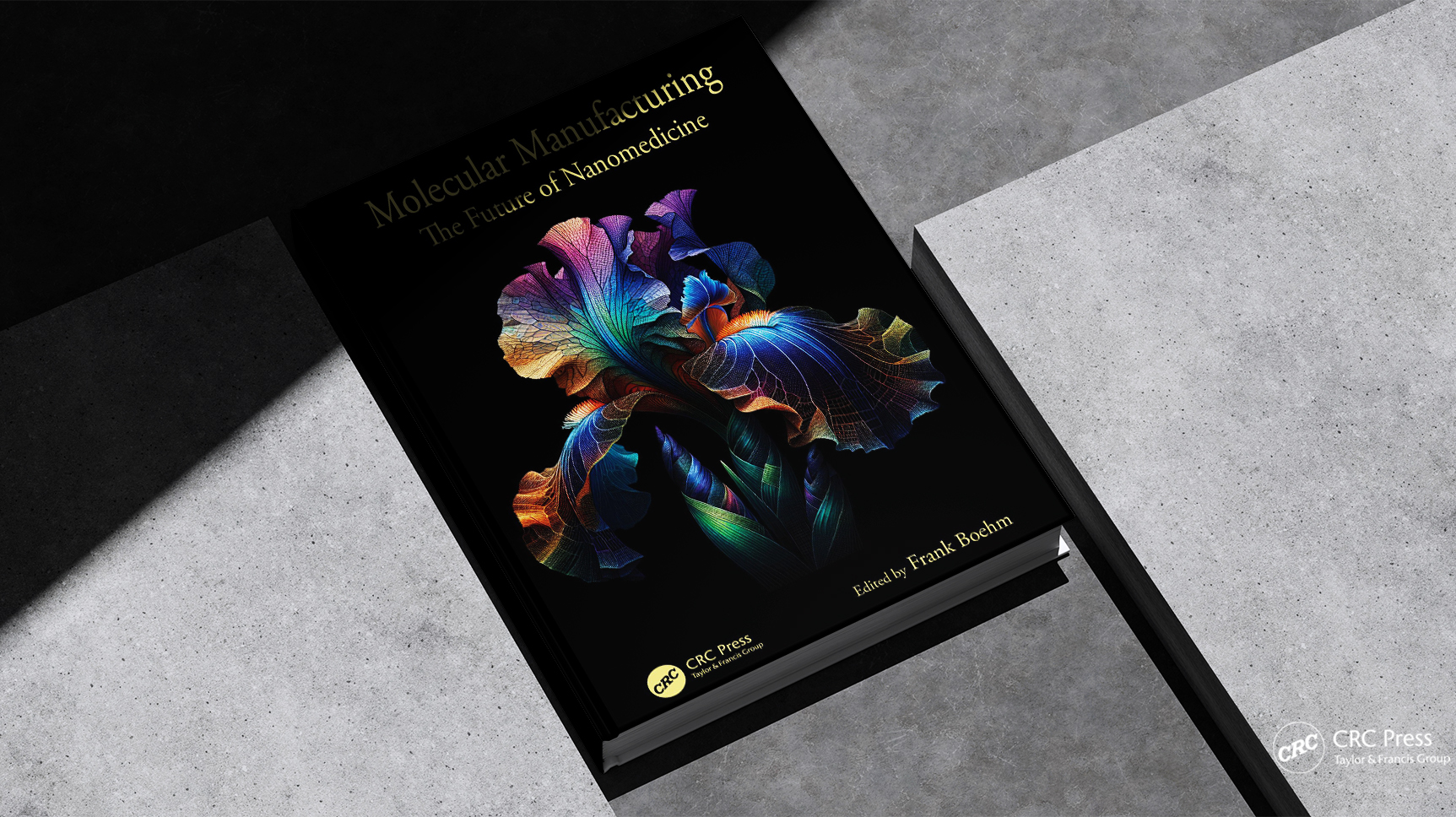
Molecular Manufacturing: The Future of Nanomedicine
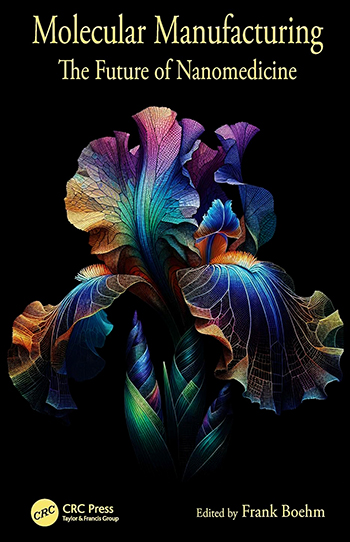
This book explores the revolutionary potential of atomically precise manufacturing technologies to transform global healthcare, as well as practically every other sector across society. This forward-thinking volume examines how envisaged Factory@Home systems might enable the cost-effective domestic fabrication of (among myriad consumer products, including nutritious gourmet foods) advanced autonomous nanomedical devices that have the capacity to address most health challenges, including the disease of aging itself.
Molecular Manufacturing: The Future of Nanomedicine covers cutting-edge concepts including DNA-based manufacturing, quantum nanoscience applications, and the democratization of industrial capabilities through molecular manufacturing. The book presents compelling arguments for how these technologies might facilitate Global Health Care Equivalency – providing equitable access to advanced medical technologies regardless of wealth or geography.
Intended for researchers, healthcare professionals, policy makers, and technology enthusiasts who are interested in the convergence of nanotechnology, nanomedicine, and artificial intelligence, this book explores how emerging technologies will revolutionize healthcare delivery worldwide.
Table of Contents
Chapter 1: Quandary: Are Molecularly Manufactured Burgers Imbued with the Life Force?
Angelika Domschke
(Innovation in Biomedical Science and Healing Arts Angelika Domschke Consulting, LLC Duluth, GA, USA)
Frank J. Boehm
(NanoApps Medical Inc. NanoApps Athletics Inc. NanoApps Consulting Vancouver, British Columbia, Thunder Bay,
Ontario, Canada)
Chapter 2: Factory@Home: Democratizing the Coming Industrial Revolution
Margaret Morris
(Multidiscipline Researcher, Writer, Book Author (Moon Base and Beyond)
Geopolymerization and Diamond Microcircuitry Film (DMF) Expert Detroit, MI, USA)
Frank J. Boehm
(NanoApps Medical Inc. NanoApps Athletics Inc. NanoApps Consulting Vancouver, British Columbia, Thunder Bay,
Ontario, Canada)
Chapter 3: Quantum Nanoscience: Atomically Precise Manufacturing Meets Quantum
Computation
Melanie Swan
(UCL Centre for Blockchain Technologies, DIYgenomics, New York, NY, USA)
Chapter 4: DNA-Based Manufacturing: Potential Strategies and Prospects
Frank J. Boehm
(NanoApps Medical Inc. NanoApps Athletics Inc. NanoApps Consulting Vancouver, British Columbia, Thunder Bay,
Ontario, Canada)
Chapter 5: The Next Big Leap in Human Health: Bridging the Gap between Life and Healthspan
Bryan Sykes
(Public Health Advocate Research Black Men’s Health Alliance (BMH), DiaBeatIt, South Africa)
Chapter 6: Subatomic Aggregates Are Us: Beyond Molecular Manufacturing
Angelika Domschke
(Innovation in Biomedical Science and Healing Arts Angelika Domschke Consulting, LLC Duluth, GA, USA)
Frank J. Boehm
(NanoApps Medical Inc. NanoApps Athletics Inc. NanoApps Consulting Vancouver, British Columbia, Thunder Bay,
Ontario, Canada)

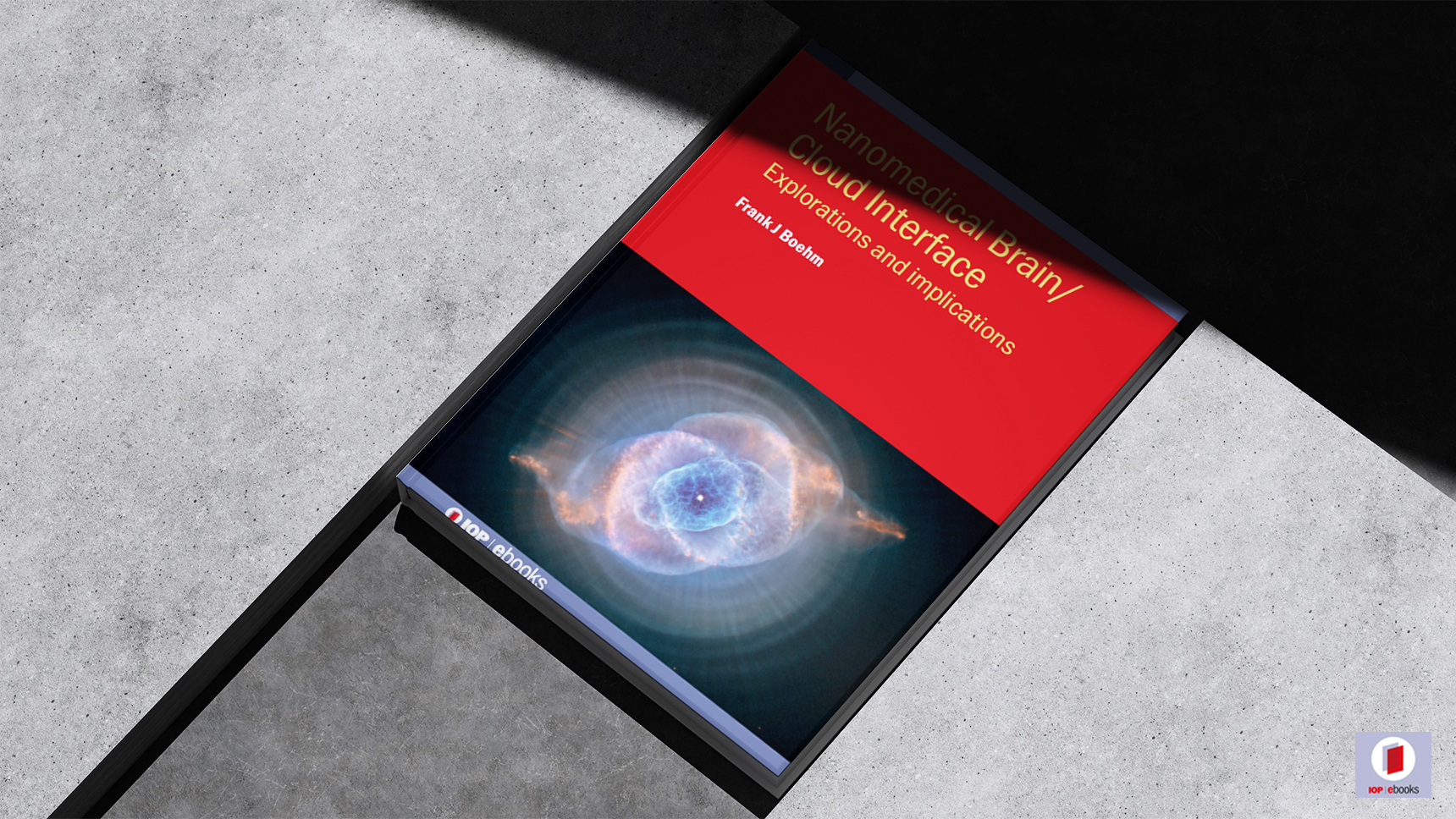
NanoMedical Brain/Cloud Interface – Explorations and Implications
 This book explores the future hypothetical possibility that the cerebral cortex of the human brain might be seamlessly, safely, and securely connected with the Cloud via a Brain/Cloud Interface (B/CI). Such an envisaged nanomedically facilitated cognitive augmentation may consist of a highly integrated network of sophisticated autonomous neuralnanorobotic devices coupled with advanced AI toward the enablement of instantaneous and finely controllable connectivity with the Virtual Cloud. In conjunction with a description of some technical aspects of a B/CI, this book also delves into its ethical, moral, sociological, legal, and philosophical implications. A fully developed, ubiquitously techtrust-accepted and implemented B/CI, may emerge as nothing less than the next evolutionary step for humanity, where we seamlessly merge with our technologies.
Key features: * Descriptions of how neuralnanorobotics may facilitate a B/CI. * Discussions of state-of-the-art technologies in brain/machine and brain/computer interfaces. * In depth assessment of a broad array of potential implications of ubiquitous B/CI’s on humanity. * Introduction of what might emerge as an unprecedented and powerful application of a B/CI, referred to as “Transparent Shadowing”. * Recommendations toward the establishment of prudent development and regulatory policies toward a safe, secure, optimized, and positive B/CI technology/infrastructure for the benefit of humanity and the planet.
Table of Contents
Chapter 1: Ethics of a human brain/cloud interface and transparent shadowing
Melanie Swan
(UCL Centre for Blockchain Technologies DIYgenomics. New York, New York, USA)
Jeffrey V Rosenfeld
(Department of Neurosurgery, Alfred Hospital Melbourne, Victoria, Australia Department of Surgery, Monash
University Melbourne, Victoria, Australia)
Frank J Boehm
(NanoApps Medical Inc. NanoApps Athletics Inc. NanoApps Consulting Vancouver, British Columbia, Thunder Bay,
Ontario, Canada)
Chapter 2: Analysis of power, locomotion, communications, and navigation for microbots in the
brain
Tad Hogg
(Institute for Molecular Manufacturing, Palo Alto, CA, USA)
Chapter 3: Combining a neural bypass and a neural allograft to develop a prosthetic thalamus
Miguel Pais-Vieira
(Institute of Biomedicine (iBiMED), Department ofMedical Sciences, Universidade de Aveiro, Aveiro, Portugal)
António J Salgado
(Life and Health Sciences Research Institute (ICVS), School of Medicine, University of Minho, Campus de Gualtar,
Braga, Portugal)
Carla Pais-Vieira
(Universidade de Aveiro Brain-Machine Interface Research Laboratory, Centro de Investigação Interdisciplinar em
Saúde (CIIS), Instituto de Ciâncias da Saúde (ICS),Universidade Católica, Portuguesa, Porto, Portugal)
Chapter 4: Neurotech frontiers: ethics, identity, and the evolution of brain–computer interfaces
Ingrid Vasiliu-Feltes
(University of Miami, Miami, FL, USA)
Chapter 5: Impact of a brain/cloud interface on humanity – gateway to the ten-billion-synapse
world mind
Melanie Swan
(UCL Centre for Blockchain Technologies, London, UK and DIYgenomics, New York, USA)
Chapter 6: The ultimate chip
Howard Bloom
(Author: The Lucifer Principle and The Case of the Sexual Cosmos: Everything You Know About Nature Is Wrong)
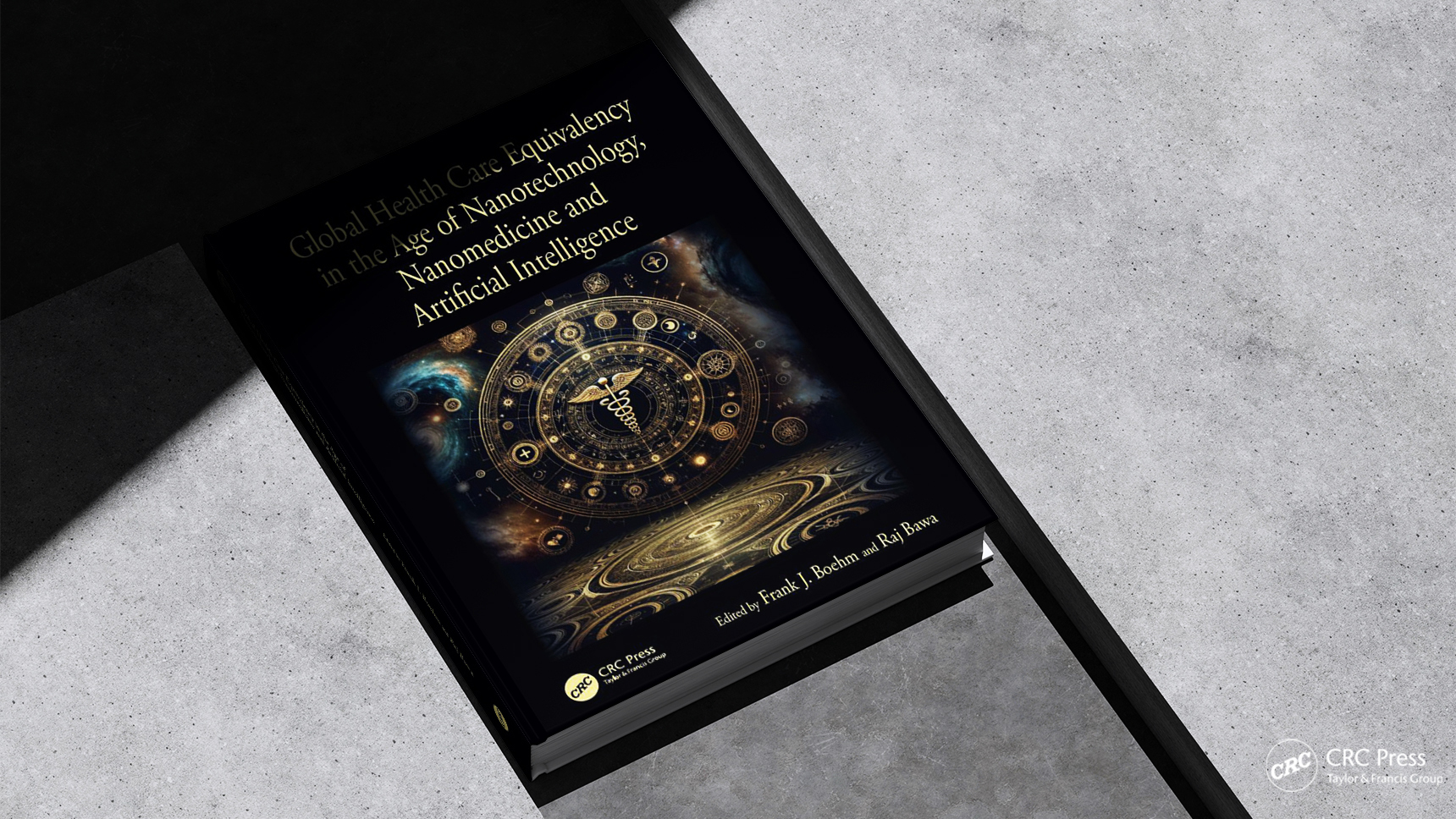
Global Health Care Equivalency in the Age of Nanotechnology, Nanomedicine and Artificial Intelligence
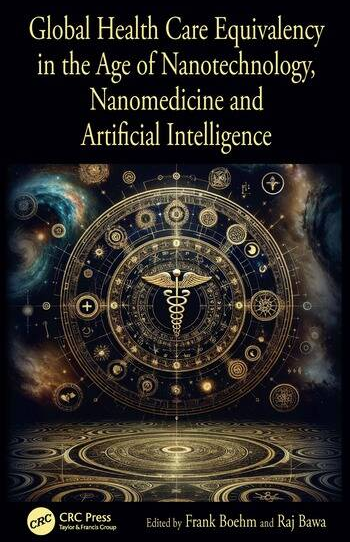
This groundbreaking volume explores the vision of a Global Health Care Equivalency (GHCE) system powered by artificial intelligence and quantum computing technologies, operating on secure quantum-encrypted blockchains to create an equitable and decentralized healthcare framework accessible to all people worldwide.
Readers will gain profound insights into how emerging technologies can transform global healthcare delivery through detailed analyses of quantum encryption, blockchain implementation, and AI-driven diagnostics. The book presents a comprehensive roadmap for achieving healthcare equity, offering practical frameworks for technological integration, ethical considerations for implementation, and strategies for overcoming geopolitical barriers to create a truly universal healthcare system.
This visionary work is essential reading for healthcare policy makers, medical technology researchers, AI and quantum computing specialists, global health advocates, and graduate students in healthcare administration, biomedical engineering, and international development. It will particularly benefit professionals working at the intersection of healthcare and emerging technologies who seek to address global health disparities.

Table of Contents
Chapter 1: From Newton to Nano: Beyond the Boundaries of the Possible
Douglas Westcott
(Independent MedTech Research Vancouver, British Columbia, Canada)
Chapter 2: Healthcare’s Current Landscape, the Future, and Mars
Raphael Rakowski
(Medically Home, Neurofnity, Sedona, Arizona)
Chapter 3: What is Nanomedicine?
Simon R. Corrie,
(Department of Chemical and Biological Engineering Monash University Clayton, Victoria, Australia)
Jeffrey V. Rosenfeld
(Department of Neurosurgery, Alfred Hospital Melbourne, Victoria, Australia Department of Surgery,
Monash University Melbourne, Victoria, Australia)
Julia Walker
(Department of Chemical Engineering Monash University Clayton, Victoria, Australia)
Chapter 4: Nanotechnology: A Perspective from Quantum Biology
Adriana Marais
(Proudly Human, Foundation for Space Development Africa Cape Town, Africa2Moon team, South
Africa)
Chapter 5: Development of Universal Medical Millirobots
Sook Kuan Goh
(Nanoworld Laboratory University of Cincinnati, Cincinnati, Ohio, USA)
Sumeet Chaudhary
(Nanoworld Laboratory University of Cincinnati, Cincinnati, Ohio, USA)
Griffn Wagner
(Nanoworld Laboratory University of Cincinnati, Cincinnati, Ohio, USA)
Nicholas Lalley
(Nanoworld Laboratory University of Cincinnati, Cincinnati, Ohio, USA)
John Yin
(Nanoworld Laboratory University of Cincinnati, Cincinnati, Ohio, USA)
Sarah Pixley
(College of Medicine, University of Cincinnati, Cincinnati, Ohio, USA)
Kevin J. Haworth
(College of Medicine University of Cincinnati Cincinnati, Ohio, USA)
Maham Rahimi
(College of Medicine, University of Cincinnati, Cincinnati, Ohio, USA)
Marc Cahay
(University of Cincinnati Cincinnati, Ohio, USA)
Keshav Alagarsamy
(Nanoworld Laboratory University of Cincinnati, Cincinnati, Ohio, USA)
Zhongyun Dong
(College of Medicine, University of Cincinnati, Cincinnati, Ohio, USA)
Frank J. Boehm
(NanoApps Medical Inc. NanoApps Athletics Inc., NanoApps Consulting, Vancouver, British
Columbia, Thunder Bay, Ontario, Canada)
Mark Schulz
(Nanoworld Laboratory University of Cincinnati, Cincinnati, Ohio, USA)
Chapter 6: Shifting Paradigms in Healthcare Infrastructures
Frank J. Boehm
(NanoApps Medical Inc. NanoApps Athletics Inc., NanoApps Consulting, Vancouver, British
Columbia, Thunder Bay, Ontario, Canada)
Chapter 7: Technophysics, Smart Health Networks, and the Bio-Cryptoeconomy:
Quantized Fungible Global Health Care Equivalency Units for Health and Well-Being
Melanie Swan
(UCL Centre for Blockchain Technologies DIYgenomics. New York, New York, USA)
Chapter 8: Synergies Between Nanotechnology and AI towards GHCE
Godfrey Gandawa
(Springfeld Research University Ezulwini, Eswatini (Swaziland))
Chapter 9: Ethical Implications of Global Health Care Equivalency
Ingrid Vasiliu-Feltes
(University of Miami Miami, Florida, USA)
Chapter 10: Beyond Diagnoses: Exploring Health through Systems, Behaviour, and Equity
Bryan Sykes
(Public Health Advocate Research Black Men’s Health Alliance (BMH), DiaBeatIt, South Africa)
Chapter 11: Ethics, Nanotechnology, and Radical Life Extension
Ingemar Patrick Linden
(Geneva College of Longevity Science Brooklyn, New York, USA)
Chapter 12: Introspective – AI/Human Interactions and Emergence of the Singularity:
Ethical and Philosophical Implications
C. JoyBell C.
(International Journal of History and Philosophy of Medicine, United States Studia Humanitatis
Mrongoviensis: Polish Scientifc Journal, Mragowo, Poland, New York, New York, Manila, Philippines
Studia Humanitatis Mrongoviensis: Polish Scientifc Journal Mrągowo, Poland)
Chapter 13: The Future Body: Nano Bodybuilders of Tomorrow
Natasha Vita-More
(Geneva College of Longevity Science Human+ Digital University Center for the Future Mind,
Florida Atlantic University, The Institute for Ethics and Emerging Technologies Longevity Training
LIT Scottsdale, Arizona, USA)

News – Curated by Amanda Scott, Alias Group Creative
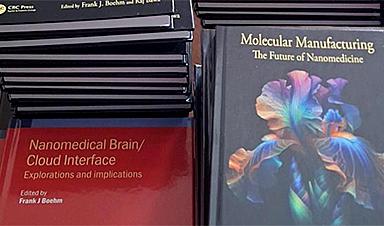
Our books now available worldwide!
Online Sellers other than Amazon, Routledge, and IOPP Indigo Global Health Care Equivalency in the Age of Nanotechnology, Nanomedicine and Artifcial Intelligence Global Health Care Equivalency In The Age Of Nanotechnology, Nanomedicine And Artificial [...]

Ryugu asteroid samples contain all DNA and RNA building blocks, bolstering origin-of-life theories
All the essential ingredients to make the DNA and RNA underpinning life on Earth have been discovered in samples collected from the asteroid Ryugu, scientists said Monday. The discovery comes after these building blocks [...]

Is Berberine Really a “Natural Ozempic”?
Often labeled a “natural Ozempic,” berberine is widely discussed as a metabolic aid. Yet research suggests its influence may lie deeper. In recent years, berberine has gained significant attention as a supposed “natural way” [...]
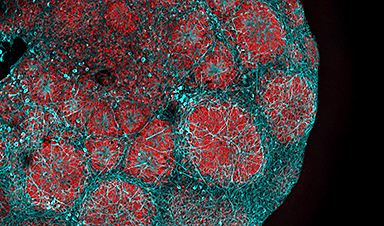
Viagra Ingredient Shows Promise for Rare Childhood Brain Disease in Surprising Study
A rare childhood disease with no approved treatment may have an unexpected new therapeutic candidate. Sildenafil, the active ingredient also sold under the brand name Viagra, may help reduce symptoms in people with Leigh [...]
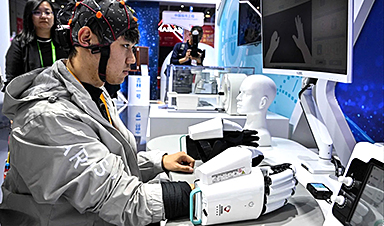
In a first for China, Neuracle’s implantable brain-computer interface wins approval
In a landmark development, Neuracle Medical Technology has secured the country’s first-ever approval for an implantable brain-computer interface (BCI) system designed to restore hand motor function in patients with spinal cord injuries, in a [...]
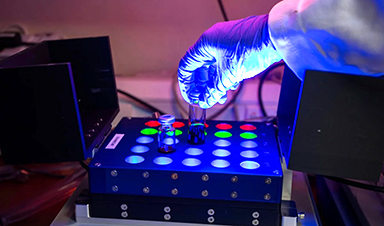
A Cambridge Lab Mistake Reveals a Powerful New Way to Modify Drug Molecules
A surprising lab discovery reveals a light-powered way to tweak complex drugs faster, cleaner, and later in development. Researchers at the University of Cambridge have created a new technique for altering complex drug molecules [...]
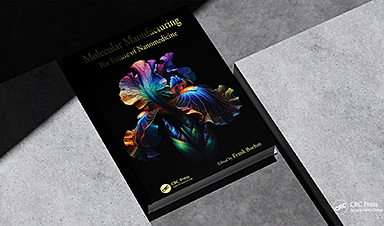
New book from NanoappsMedical Inc – Molecular Manufacturing: The Future of Nanomedicine
This book explores the revolutionary potential of atomically precise manufacturing technologies to transform global healthcare, as well as practically every other sector across society. This forward-thinking volume examines how envisaged Factory@Home systems might enable the cost-effective [...]
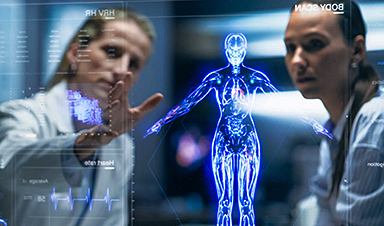
Scientists Discover Simple Saliva Test That Reveals Hidden Diabetes Risk
Researchers have identified a potential new way to assess metabolic health using saliva instead of blood. High insulin levels in the blood, known as hyperinsulinemia, can reveal metabolic problems long before obvious symptoms appear. It is [...]