
From an article by Scott Wagers MD:
A challenge that anyone working to bring new technology, therapies, or approaches from proof of concept to clinic implementation is funding. I have been tracking the concept of crowd funding for a number of years, but have not seen many platforms that offer the opportunity to raise funding to a degree that will really make a difference.
So, I was enthusiastic when I met Pilar Puig Sàrries and learned about the work she is doing at Capital Cell, a crowdfunding platform specializing in the life sciences. She is the head the BioExpert Network and life sciences analytics at Capital Cell and passionate about her work to help startups in the life sciences bridge the translational gap.
How did you start doing what you are doing now?
During my PhD in molecular biology I felt uncertain about becoming a Spanish researcher because in Spain every 1-3 years you need to apply for further support for your research which means no stability.
So, during my PhD I began my first startup. It was an online/offline game for couples. I was able to sell 1.000 games after closing a successful crowdfunding campaign, which in my mind was pretty successful. But I also had to write my thesis and I also had a big interest in travel.
After my PhD I took a 9 month trip to South America and those 9 months were the happiest time of my life. When I came back, I knew that I didn’t want to keep doing research, so it seemed ideal to do something related to science, but also related to entrepreneurship. I was fortunate to find an opportunity at Capital Cell as a life science analyst.
What do you do at Capital Cell?
Capital cell is a start-up which means anyone working there has many roles. My job title is life science analyst, but I also do business development for clients such as helping them with their business models and building their pitch. We also help them look for investors as well. I also produce content for the website. Last year with the CEO of Capital Cell we created the BioExpert Network which is a network of experts who help us evaluate and select companies to be included in our crowdfunding platform.
Can you explain a bit about the philosophy behind Capital Cell and how it works?
Capital Cell is the first equity crowdfunding specialized in life sciences in Europe. And since last September, we are also operating in the UK.
We help companies in the life science sector get funded. Most of them are in the ‘valley of death’, which is also called the translational gap. They may have proof of concept, but need capital to continue to get scientific validation. We are now working with some companies that are further along, but still need to have some more funding before approaching VCs.

Image Credit: Shutterstock.com
News This Week

Stem cell organoids repair heart microvessels in coronary artery disease models
A Stanford University team has shown that vascular organoids derived from human stem cells can repair the heart’s microvessel network in pigs with ischaemic heart disease – a proof-of-concept advancement that could open new therapeutic [...]

Goodbye GP waiting rooms, hello prevention at home
Prevention is suddenly everywhere in NHS reform. The recent £340m community pharmacy deal is moving more services onto the high street. Community Diagnostic Centres are being expanded, and the Neighbourhood Health Framework sets out [...]
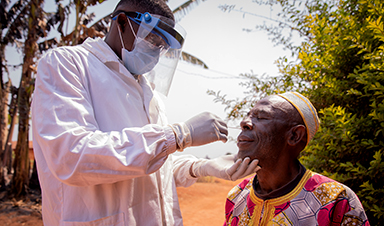
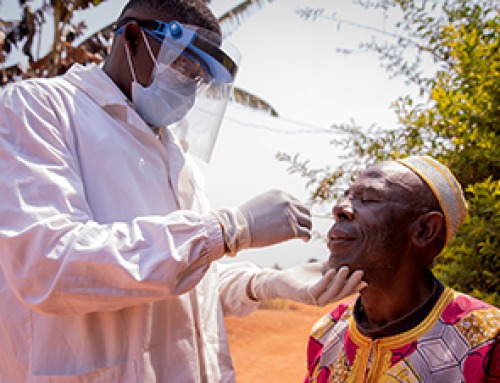
Ebola control is weakened by mistrust and cultural insensitivity
Effective response depends on cooperation with communities and frontline workers, writes Zaeem ul Haq The current Bundibugyo Ebola outbreak in the Democratic Republic of the Congo (DRC) and Uganda is exposing dangerous gaps in [...]

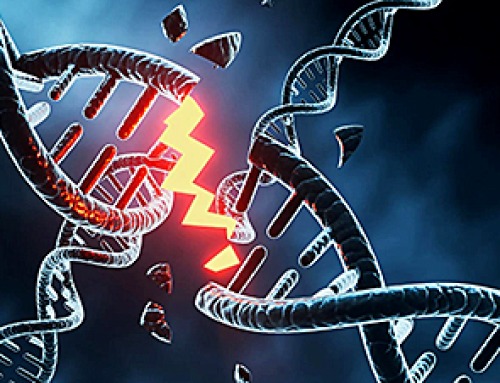
Building the Brain Requires Millions of Dangerous DNA Breaks
Scientists discovered that building a healthy brain involves an unexpected step: young neurons routinely break and rapidly repair their own DNA. As the brain develops, newly formed nerve cells must travel through tightly packed tissue [...]

One Tiny Change May Explain How Viruses Jump From Bats to Humans
Scientists found that one tiny genetic change may determine whether a bat virus stays in bats or becomes a human threat. Most infectious disease outbreaks begin when a virus or other pathogen crosses from animals into [...]
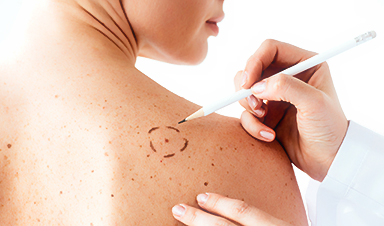
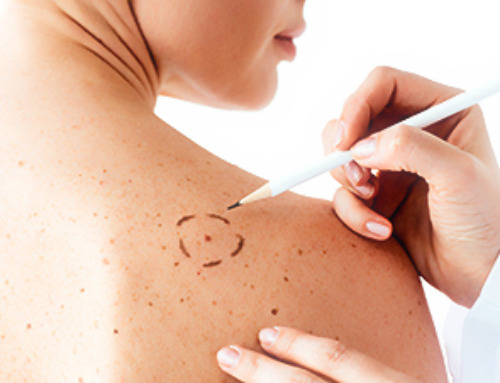
Scientists Discover 250+ Genes That Could Lead to New Ways To Prevent Melanoma
The world’s largest study of mole genetics identified hundreds of genes tied to melanoma risk, uncovering potential new drug targets and paving the way for more accurate melanoma screening and prevention. Researchers at QIMR [...]
Breakthrough Diabetes Treatment Reprograms the Immune System
An engineered stem cell therapy reversed new-onset Type 1 diabetes in mice by shifting the immune system away from attacking insulin-producing cells. For more than a century, people with Type 1 diabetes have relied [...]
Taking the world’s temperature: WHO chief spotlights global health emergencies
Taking the world’s temperature on pressing health matters, WHO Director-General Tedros Adhanom Ghebreyesus provided the latest on current global challenges - and successes when it comes to international cooperation. “The outbreaks of hantavirus, Ebola and Marburg all show [...]



Leave A Comment